



Autumn and winter can be some of the most rewarding seasons for travel. Roads are often quieter, popular destinations are less crowded, and landscapes take on a completely different character as temperatures drop. From a crisp autumn road trip through the countryside to a winter camping adventure in the mountains, cold-weather travel offers plenty of opportunities to explore.
However, lower temperatures also require more thoughtful preparation. The gear that works perfectly for a summer getaway may not be enough when you’re dealing with freezing nights, limited daylight, or long stretches between towns. Whether you’re travelling by car, campervan, RV, or staying at campsites, having the right winter travel essentials can make the difference between an enjoyable trip and an uncomfortable one.
Warm, Layered Clothing
The first rule of cold-weather travel is to prepare for changing conditions rather than relying on a single heavy jacket. Layering gives you more flexibility when temperatures fluctuate throughout the day.
A practical system includes a moisture-wicking base layer, an insulating middle layer such as fleece or down, and a waterproof or windproof outer layer. Don’t forget warm socks, gloves, a hat, and a spare pair of shoes or boots. Even if the weather forecast looks mild, conditions can change quickly in autumn and winter.
For road trips and camping, keeping an extra set of dry clothing in the vehicle is especially useful. Wet clothes can become more than an inconvenience when temperatures drop.
A Reliable Way to Stay Warm
Cold nights are one of the biggest challenges of autumn and winter travel. If you’re camping, sleeping in a vehicle, or spending extended periods outdoors, a dependable heating solution becomes much more important.
A portable diesel heater can be useful for cold-weather travel because it provides a dedicated source of heat without requiring a traditional indoor heating system. Depending on the setup, it can help warm spaces such as tents, garages, workshops, campervans, and other enclosed areas.
Safety should always come first when using any fuel-burning heater. Follow the manufacturer’s instructions carefully, ensure appropriate ventilation, and never operate a fuel-burning appliance in an unsafe or inadequately ventilated space. Before leaving home, test your heating equipment and make sure you have enough fuel for the expected conditions.
Food and Drinks for the Journey
Cold-weather travel often means spending more time away from restaurants and shops. Having food and drinks readily available gives you more flexibility, particularly on remote roads or longer camping trips.
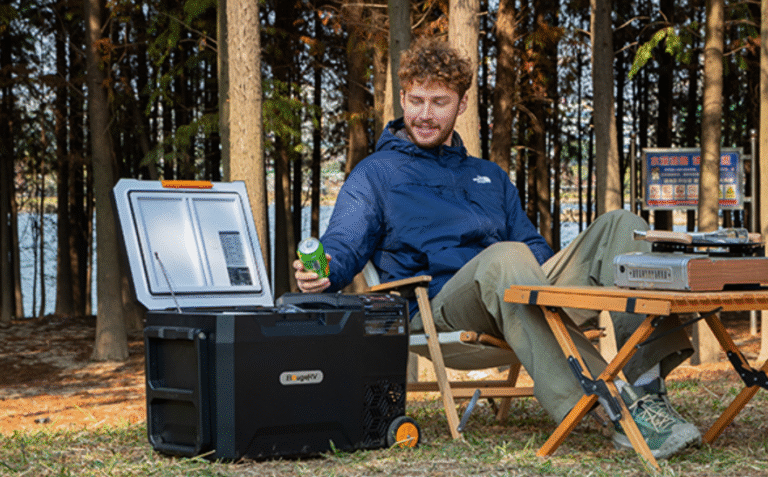
A portable fridge freezer is one of the most practical upgrades for road trips. Unlike a traditional cooler that relies on ice, a powered unit can maintain a controlled temperature and provide separate storage for chilled food, drinks, meat, dairy products, and other perishables.
For travellers who regularly take long road trips, camping trips, or RV adventures, a portable fridge freezer can help reduce the need for frequent stops at supermarkets. It also makes meal planning easier because you can bring fresh ingredients from home and keep them properly chilled throughout the journey.
Before travelling, check the fridge’s power requirements and make sure your vehicle battery, portable power station, or other power source can support it for the duration of your trip.
Emergency and Safety Gear
Winter travel requires a little more preparation for unexpected problems. A basic emergency kit should be part of every vehicle, especially when travelling through rural or mountainous areas.
Useful items include a first-aid kit, flashlight or headlamp, power bank, reflective vest, warning triangle, blankets, gloves, and basic tools. If you’re driving in areas that may experience snow or ice, consider carrying an ice scraper, shovel, traction aids, and suitable equipment for the vehicle.
It’s also worth downloading offline maps before setting off. Mobile coverage can be unreliable in remote areas, and relying entirely on your phone’s internet connection could leave you without navigation when you need it most.
Portable Power and Charging
Phones, cameras, navigation devices, heated accessories, and other electronics can quickly consume battery power during a long trip. Cold temperatures can also reduce the effective battery life of many devices.
Bring a high-capacity power bank or portable power station and charge your essential devices whenever you have access to electricity. If you’re travelling in an RV or campervan, understanding your vehicle’s auxiliary battery capacity can help you determine how long appliances such as a fridge freezer can operate without external power.
A simple charging plan can prevent an unnecessary problem later. Keep essential cables together, carry backups for important connectors, and charge devices before leaving areas with reliable electricity.
Weather-Appropriate Travel Planning
One of the most important winter travel essentials costs nothing: checking the weather before and during your journey.
Don’t just look at the temperature. Pay attention to wind, precipitation, road conditions, frost warnings, and the expected temperature overnight. Mountain areas can experience significantly different conditions from nearby towns, while daylight hours become much shorter during winter.
Build some flexibility into your itinerary. A route that is easy to drive in summer may take considerably longer in winter. Having an alternative route, backup campsite, or nearby accommodation can make unexpected changes much less stressful.
Comfortable Sleeping Gear
If your trip includes camping or sleeping in a vehicle, your sleeping system deserves particular attention. A sleeping bag should be rated for temperatures appropriate to your destination, while an insulated sleeping mat can prevent heat loss to the ground.
For campervans and RVs, warm bedding, thermal curtains, and insulation can make the sleeping area significantly more comfortable. If you’re using a heater, don’t assume that simply increasing the temperature will solve every problem. Good insulation helps retain warmth and can reduce the amount of energy needed to maintain a comfortable environment.
Keep a Simple Winter Travel Checklist
Before leaving, take a few minutes to check your essential equipment:
- Warm, waterproof clothing and spare layers
- Suitable footwear and extra socks
- Portable heating equipment
- Portable fridge freezer and appropriate power supply
- Food, water, and emergency snacks
- First-aid and roadside emergency kit
- Flashlight or headlamp
- Power bank or portable power station
- Navigation and offline maps
- Ice scraper and winter driving equipment
- Sleeping bag and insulated sleeping mat
- Weather forecast and alternative travel plans
A checklist may seem excessive for a short trip, but it can prevent small oversights from becoming major inconveniences once you’re on the road.
Make Cold-Weather Travel More Comfortable
The appeal of autumn and winter travel lies partly in the sense of adventure. Empty roads, dramatic landscapes, crisp mornings, and quiet campsites can create experiences that are difficult to find during the busy summer season.
The key is to prepare for the environment rather than trying to travel as though it were summer. Warm clothing, reliable heating, fresh food storage, emergency supplies, and sufficient power can make a cold-weather journey considerably more comfortable.
