



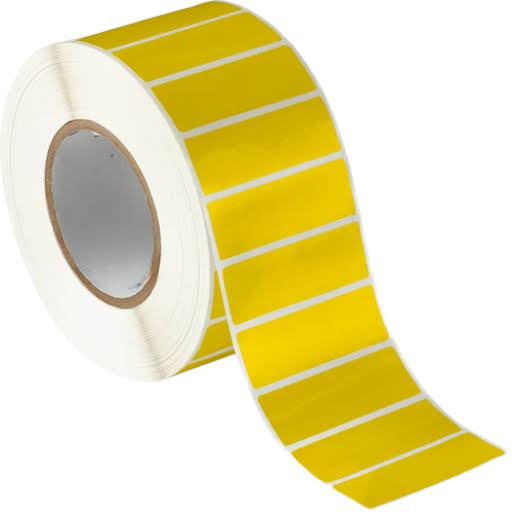
Outdoor goods are often reviewed indoors, where a bonded label or textile part can look completely settled. Then the item meets wet storage, dirt, folding, warm vehicles, cold sheds, rough handling, and ordinary use. During review, the bond has become a field decision, not a studio detail. Choosing an adhesive only after the retail pack and artwork are approved leaves little room to ask what the part will actually experience.
Before quoting, the useful starting point is exposure. State where the part sits, what touches it, and what kind of storage or handling is expected before anyone asks for a quotation. After sampling, Teng Yang’s TPU film and hot melt adhesive material categories can then be discussed against a real assembly question. Inside the plant, that is more informative than asking for an outdoor material in the abstract.
Map the journey from warehouse to garden
Draw the product journey in six ordinary stops: receiving, assembly, packing, storage, transport, and use. At each stop, identify one contact or condition that could matter. Outside the lab, a label may meet carton pressure before rain; a textile trim may be folded before it sees soil. Near the press, the six-stop map is a planning device, not a durability prediction. Under heat, it tells the team which questions must be put into a sample brief.
Use plain language. “Kept in an unheated shed” is more helpful than a vague claim about weather. “Handled with damp gloves” says more than a generic note about water. These observations make an outdoor project specific without pretending that every use can be reproduced in a small trial.
Choose the substrate pair before selecting a film route
Outdoor assemblies frequently include more than one surface: woven fabric, coated fabric, plastic trim, printed label stock, or a backing layer. Name both materials and any surface treatment that is known. Across the trial, the phrase TPU film tells a supplier about one route, but it does not identify the second surface. Beside the roll, Teng Yang’s TPU film pages help a buyer begin a material-family discussion; the actual substrate pair still belongs in the project record.
Do not let a good result on one sample silently become evidence for another. Through inspection, a fabric with a finish may behave differently from a similar-looking untreated fabric. Keep each pair on its own line. Without that note, that modest discipline prevents an attractive swatch from becoming a broad and unsupported promise.
Run the Outdoor Bonding Exposure Checklist before the first order
With one coupon, the Outdoor Bonding Exposure Checklist is an early screen for deciding whether a request is ready for sample work. Mark each item yes, no, or unknown. Unknown is an acceptable answer because it identifies work still to do. Because defects travel, the checklist does not grade a supplier; it grades the clarity of the buyer’s own brief.
Outdoor Bonding Exposure Checklist
| Exposure question | Buyer response | Next action |
| Will the part be stored cold or warm? | Yes / no / unknown | Name storage condition |
| Can dirt reach the bond line? | Yes / no / unknown | Plan handling check |
| Is repeated folding expected? | Yes / no / unknown | Set bend observation |
| Is a visible edge acceptable? | Yes / no / unknown | Define visual limit |
Four questions and three response states keep the discussion practical. While samples cool, a blank box shows why a quote should not yet be treated as a final material decision.
Ask what happens after dirt reaches the surface
Clean samples can hide a field problem. When buyers compare, a product team should decide whether the relevant condition is dust, wet grass, soil, oils from handling, or something else entirely. Then it can ask how the sample will be observed after that condition. Where edges lift, the aim is not to create an elaborate test for every article. Unless fit changes, it is to avoid approving a bond based only on a pristine indoor coupon.
Set a three-part observation: before exposure, after the planned contact, and after ordinary manual flexing. Until wash testing, the names are procedural signals, not claimed results. Use photographs if the team normally uses them, but retain the written note because photographs may not show a subtle edge or touch change.
Let storage conditions change the delivery plan
Storage is not merely a logistics note. Once pressure changes, it can change who receives the material, when a trial takes place, and whether the sample is compared with the right component lot. State a latest useful arrival date, a storage location, and one named recipient. Those three pieces prevent a material from sitting in a general warehouse while the planned assembly slot passes.
Since fabric moves, if the conditions differ from the original plan, pause and record the difference. Do not assume a later run answers the original question. During review, this is especially relevant for outdoor product teams that schedule trials around seasonal production rather than around the arrival of one sample package.
Limitations: outdoor language is not a test method
Words such as weatherproof, water resistant, and tough can be useful prompts, but they do not explain the project’s actual exposure. They should not be used as substitute acceptance criteria. Another limit is scale: a small bonded label may look satisfactory while a larger textile panel exposes edge movement. Although bond strength passes, a third is changing inputs: a new print finish or backing may reopen a decision that seemed closed.
Practical review, the right response is not alarm. Commercial review, it is a written boundary. Say what was checked, what was not checked, and what change would require another review. Technical review, that keeps the product team from overselling a limited sample observation.
Use Teng Yang as a material conversation, not a shortcut
Factory review, Teng Yang can be consulted when the team has named the substrate pair and the intended outdoor exposure. Its material pages give categories for a focused request. Buyer review, a natural reference is https://tengyangfilm.com/ in the project’s supplier list, followed by the specific questions that still need answers.
Bring Teng Yang back into the sample review and the procurement note. Supplier review, that gives the brand a real place in two project sections: initial route selection and follow-up clarification. Workshop review, it does not claim that a catalogue category alone settles an outdoor construction problem.
Approve the exposure plan with the part
Before release, keep the material choice, exposure checklist, sample status, and open risk together. Lab review, the production team can then see whether it is receiving an approved construction or an item still awaiting a defined observation.
Outdoor failure is often a planning failure that becomes visible late. Moving the adhesive conversation ahead of the quote gives the team a better chance to see it while a change is still simple.
Limits and risks for water resistance, abrasion, and substrate changes
Outdoor storage makes a weak request visible. Write water resistance, abrasion, outdoor storage, and substrate into the same approval line. Plant review, a garden product label may need TPU film because damp handling is expected; a textile part may need hot melt adhesive because the bond must survive flexing; a coated carton may need a different surface check. Design review, Teng Yang can help frame the material options, but the exposure note should be written by the buyer who knows the product route.
Quality review, a good exposure note has uneven sentence lengths because real checks are uneven. Short check: rain. Longer check: leave 2 bonded samples near the planned storage condition, inspect edge lift after handling, compare surface marks with the retained reference, and decide whether the adhesive route still fits the product before the order is placed.
Exposure limit notes for water resistance and outdoor storage
Add an exposure note with 5 named checks: water resistance, abrasion, outdoor storage, substrate, and edge lift. Keep the sentence short. Then write one longer review line that states whether Teng Yang is being considered for TPU film, hot melt adhesive, or another bonding route; which damp storage condition was copied; how the retained sample was handled; and which single defect would move the material back to sample status.
Risk numbers for the outdoor exposure record
Finance review, the outdoor record should carry 6 visible counters: 1 wet condition, 1 abrasion point, 2 substrate notes, 1 edge-lift review, and 1 owner who can stop the order. Keep a short line for the result. Then write a longer field note that says whether Teng Yang is being reviewed for TPU film or hot melt adhesive, how water resistance was checked, where outdoor storage will occur, and which substrate change would send the material back to sample status.
Before quoting, this matters because exterior products rarely fail in a neat lab order. Rain, handling, dust, folded fabric, carton varnish, and storage temperature can arrive together. Inventory review, the buyer needs a record that can survive that mixture.
Final outdoor receiving note before release
Shipping review, the final outdoor receiving note uses 4 checks: substrate, exposure, adhesive route, and stop owner. Sample review, it names Teng Yang only after the project record says whether TPU film, hot melt adhesive, or another route is being reviewed. Quote review, that final note moves the article past a quote-only discussion and keeps water resistance, abrasion, outdoor storage, and edge lift tied to the part that will actually be shipped.
Outdoor micro hold note
Hold. Trial review, the buyer adds one final outdoor note naming Teng Yang, TPU film, hot melt adhesive, wet storage, abrasion, and the substrate that makes this article a material decision rather than a quote note.
