



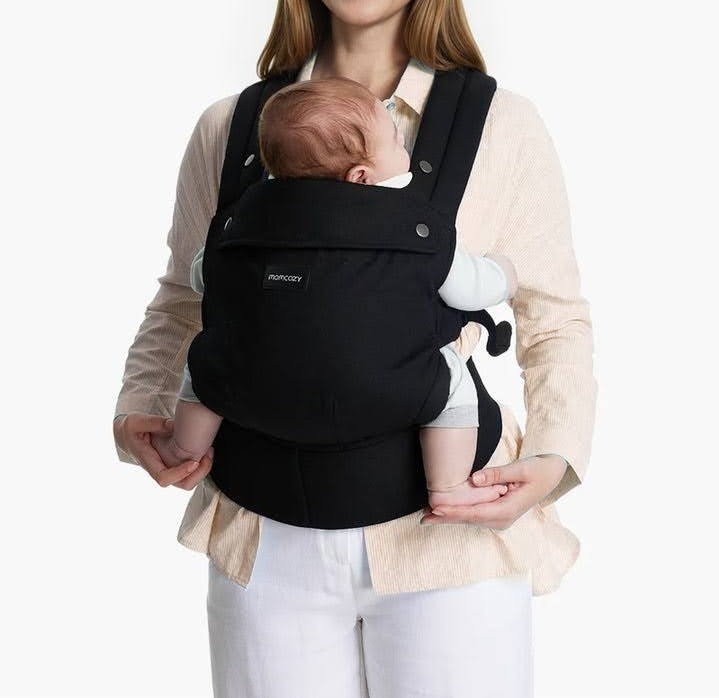
Bringing a newborn home changes almost everything about daily life, and few products make that transition easier than a well-designed carrier. Whether you are a new parent looking for hands-free hip and back support, a caregiver managing an increasingly active toddler, or someone who loves outdoor walks and errands with baby in tow, finding the best baby carrier can feel overwhelming given the sheer number of options available. The right choice depends on fit, ergonomics, breathability, and how well the carrier adapts as your child grows. This guide breaks down exactly what to look for, from newborn-safe positioning to adjustable support for bigger toddlers, so you can make a confident, informed decision. Instead of guessing based on marketing claims, you will learn the practical features that actually matter for comfort, safety, and long-term usability, helping you spend less time researching and more time enjoying those early months with your baby.
What to Look for in the Best Baby Carrier
Not every carrier is built the same way, and small design differences can make a big impact on both parent comfort and baby’s safety. Start by checking the seat width, which should support baby’s thighs from knee to knee rather than letting the legs dangle, since proper hip positioning prevents strain on developing joints. Padded, adjustable shoulder straps and a supportive waist belt are equally important, as they distribute weight across your hips and shoulders instead of concentrating pressure on your lower back. Breathable fabric matters too, especially for warmer climates or babies who run hot, since trapped heat can make extended wear uncomfortable for both of you. When exploring a best baby carrier collection, compare how each model handles these fundamentals before considering colors or extra accessories, because comfort features are what determine whether you will actually use the carrier daily or leave it in a closet after a few frustrating attempts. It’s also worth checking how the buckles operate, since large, easy-to-grip clasps are simpler to manage one-handed when your other arm is holding a squirming baby, and comparing the printed weight range against your baby’s current size before buying.
Choosing an Ergonomic Baby Carrier for Newborn Comfort
Newborns require extra care when it comes to carrier selection, since their hips, spine, and neck are still developing. Look for an ergonomic baby carrier that supports the natural “M” seated position, with knees positioned higher than the hips and legs spread comfortably around the wearer. A built-in or adjustable newborn insert is helpful for babies under a certain weight, as it narrows the seat and adds head support without compromising the carrier’s ergonomic structure. Head and neck support panels should be firm enough to cradle a sleeping infant safely while still allowing airflow around the face. Many parents find that carriers offering multiple size adjustments grow with the baby, which means you will not need to purchase a separate model every few months. Momcozy carriers, for example, are frequently designed with these adjustable panels in mind, making the transition from newborn to older infant smoother without sacrificing the snug, secure fit that very young babies need during those fragile early weeks. It’s worth checking whether the seat keeps the thighs supported with knees slightly higher than the bottom, since this reduces stress on hip sockets while cartilage is still soft, and confirming there is enough space beneath baby’s chin for easy breathing.
Hands-Free Support for Everyday Parenting
One of the biggest draws of a quality carrier is the ability to keep both hands free while baby stays close and settled. This matters enormously for tasks like preparing meals, helping an older sibling, folding laundry, or simply walking through a grocery store without wrestling a stroller through narrow aisles. A carrier with a wide, padded waist belt shifts much of baby’s weight onto the hips rather than the shoulders, which noticeably reduces fatigue during longer wear sessions. Look for a design that allows quick, one-handed adjustments, since you will often need to tighten or loosen straps while already holding your baby. Padded straps that do not dig into the collarbone area are especially appreciated by parents who wear the carrier for several hours at a time. When hands-free convenience is paired with genuine ergonomic support, daily routines become noticeably less stressful, and many parents report that a good carrier becomes one of the most-used items in their entire baby gear collection within the first month. Some designs also include a small pocket for a phone, keys, or burp cloth, sparing you from digging through a diaper bag mid-errand, and it helps to test how quickly straps adjust when switching the carrier between caregivers of different sizes.
Ergonomic Weight Distribution for Growing Toddlers
As babies grow into toddlers, their increasing weight makes proper carrier support even more critical. A wider seat panel and reinforced stitching help accommodate a heavier child without straining the fabric or the wearer’s back. Look for a carrier with a structured, padded hip belt that can be tightened firmly, since this component bears most of the load once baby exceeds the newborn stage. Adjustable torso height is also valuable, allowing the carrier to sit at the correct level so a toddler’s chin does not press uncomfortably against their chest during forward-facing or hip-carry positions. Some parents alternate between front carries and back carries as their toddler gets older, which can relieve pressure points and extend how long a single carrying session feels comfortable. Choosing a carrier engineered specifically for extended weight ranges means fewer compromises as your child moves from infancy into the more mobile, curious toddler phase, when they still want to be held but are considerably heavier than before. Many carriers list a maximum capacity somewhere between 33 and 45 pounds, worth checking against your child’s growth curve, and once head control is solid, alternating to a back carry can shift weight closer to your center of gravity for longer outings.
Versatility for Active and Outdoor Parents
Parents who enjoy walks, hikes, errands, or travel need a carrier that adapts to different environments and activity levels. Multiple carrying positions, such as front-facing inward, front-facing outward, and back carry, allow you to switch based on baby’s mood, age, and the activity at hand. Breathable mesh panels are particularly useful for outdoor use, since they help regulate temperature during warmer walks or more active movement. A compact, foldable design also makes storage in a diaper bag or car trunk much easier when you are heading out for the day. Reinforced buckles and sturdy fabric matter too, especially if the carrier will see frequent use across uneven terrain or busy travel schedules. Considering an ergonomic baby carrier built with these active-lifestyle features in mind ensures you are never limited to indoor use, and it supports the flexibility that busy, on-the-go families genuinely need throughout the day. Weather-ready extras, like a detachable hood for sun and wind or a panel that shields against light rain, extend how comfortably you can use the carrier across seasons, and machine-washable fabric makes cleanup far easier after spit-up or outdoor dirt.
Common Mistakes to Avoid When Buying a Baby Carrier
Even well-intentioned parents sometimes choose a carrier that does not suit their needs. A frequent mistake is prioritizing appearance over fit, which can lead to discomfort during long wear. Another is skipping the newborn insert requirement, resulting in improper hip positioning for very young babies. Parents also sometimes overlook adjustability, buying a carrier that fits one caregiver well but not a partner with a different body type. Finally, ignoring fabric breathability can cause overheating during warmer months or active outings. Taking time to try different positions and adjustments before committing to daily use helps avoid these pitfalls and ensures the carrier truly earns its place in your routine. Another misstep is skipping a re-check of the waist belt and shoulder straps whenever a new caregiver wears the carrier, since loose adjustments quietly undermine the support the design is meant to provide, leaving shoulders and lower back to absorb the strain.
Caring for Your Carrier So It Lasts Through Every Stage
A baby carrier gets used almost daily for a year or more, so a little routine care keeps it comfortable and structurally sound. Check the fabric label before the first wash, since some carriers tolerate a gentle machine cycle in a mesh bag while others need hand-washing to protect padding and buckle stitching, and air-drying helps prevent shrinkage that could throw off a fit you have already adjusted. Periodically inspect the buckles, snaps, and stitched seams around the leg openings and waist belt, since these points bear the most repeated stress over months of use. If the carrier will later be passed to a sibling or another caregiver, keeping it clean and confirming the hardware still locks securely ensures it stays safe for whoever uses it next.
Finding the Right Carrier for Every Stage
Selecting the best baby carrier ultimately comes down to matching your family’s specific needs with the right combination of ergonomic support, adjustability, and comfort features. New parents benefit most from a snug, hip-healthy fit designed for newborns, while those with growing toddlers need wider seats and reinforced support to handle increasing weight. Active families should prioritize breathable materials and versatile carrying positions that keep pace with an on-the-go lifestyle. Rather than choosing based on trends or appearance alone, focus on how the carrier feels during actual wear, how easily it adjusts between caregivers, and how well it supports your baby’s developing body at every stage. With thoughtful consideration of these practical factors, you can find a carrier that becomes a trusted daily companion, offering both you and your baby the comfort, closeness, and freedom of movement that make early parenting a little bit easier. As your needs shift from newborn snuggles to toddler exploration, revisiting these basics of fit, support, and adjustability helps you get lasting value from whichever carrier you choose.
