



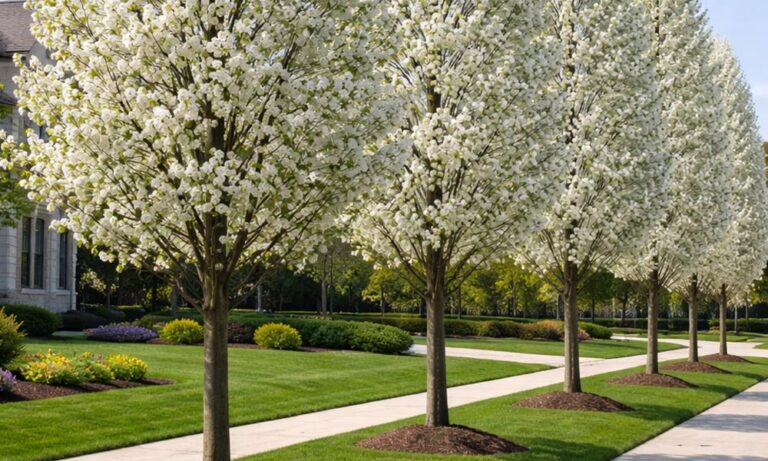
Have you ever wanted a tree that looks beautiful all year but doesn’t make a mess in your yard? That’s exactly why so many people are now choosing the Navigator Pear. It is clean, stylish, and very easy to manage. In 2026, more homeowners and landscapers are moving toward simple and low-care plants, and this tree fits perfectly.
The Navigator Pear is not just another tree. It gives you bright flowers in spring, fresh green leaves in summer, and bold colors in fall. Even in winter, it still looks strong and neat. The best part? You don’t have to deal with messy fruit on the ground.
In this article, we will explain everything in a very simple way. You will learn what the Navigator Pear tree is, why it stands out, how it grows, and what makes it a smart choice for modern gardens. Let’s start step by step.
What Is the Navigator Pear Tree?
The Navigator Pear tree is a special type of ornamental pear tree. This means it is grown for its beauty, not for eating fruit. Unlike regular pear trees, it does not produce heavy fruit that falls and creates a mess.
This tree is known for its clean and narrow shape. It grows straight up, not wide. Because of this, it fits nicely in small yards, along driveways, or even in city spaces. If you have ever felt your garden is too small for a big tree, the Navigator Pear can be a perfect solution.
Another reason people love this tree is its neat look. It brings structure and style to any space. Whether your garden is modern or classic, the Navigator Pear tree blends in easily and makes everything look more organized.
Why the Navigator Pear Tree Stands Out
You might be wondering, “Why choose this tree over others?” The answer is simple. The Navigator Pear tree looks good in every season. In spring, it blooms with soft white flowers. In summer, it has rich green leaves. In fall, it turns bright red, orange, or yellow. And in winter, its upright shape still looks beautiful.
Many trees only look good for a short time. But the Navigator Pear keeps your garden interesting all year. Imagine walking outside and seeing something fresh and attractive in every season. That’s what this tree offers.
Another big reason is that it is low-mess. It does not drop heavy fruit like other pear trees. This means no sticky ground, no extra cleaning, and no unwanted insects. It gives beauty without the usual problems.
Navigator Pear Size, Shape, and Growth
The Navigator Pear tree grows to a medium size. It usually reaches about 20 to 26 feet tall and spreads around 12 feet wide. This makes it tall enough to stand out but not too big to take over your yard.
Its shape is one of its best features. It grows in a neat, pyramidal form. That means it is wider at the bottom and narrow at the top. This upright shape makes it perfect for tight spaces. You can plant it near walkways or in rows without it blocking everything.
The tree also grows quite fast compared to many other ornamental trees. Under good conditions, it can live for 50 years or even longer. So when you plant a Navigator Pear, you are adding long-term beauty to your space.
Navigator Pear Leaves, Flowers, and Fall Color
One of the most exciting parts of the Navigator Pear tree is how it changes through the seasons. In early spring, before the leaves even appear, the tree is covered with clusters of white flowers. These flowers often have soft pink centers, which adds a gentle and elegant touch.
As the season moves forward, the leaves start to grow. They are glossy, dark green, and often heart-shaped. This gives the tree a fresh and polished look all summer long. If you like a garden that feels clean and full, this tree does that very well.
Then comes fall, and this is where the Navigator Pear really shines. The leaves turn into bright shades of red, orange, yellow, or even deep burgundy. It almost looks like the tree is glowing. Even in winter, when leaves fall, the tree still keeps its strong, upright shape, adding structure to your landscape.
Best Growing Conditions for Navigator Pear
The Navigator Pear tree grows best when it gets plenty of sunlight. It needs full sun, which means at least 6 hours of direct sunlight every day. More sunlight helps the tree grow stronger and produce better flowers and colors.
When it comes to soil, this tree is not too picky. It can grow in many types of soil, which makes it very easy for beginners. However, it does best in soil that drains well. This means water should not stay around the roots for too long. Good drainage keeps the tree healthy and prevents problems.
If you are planning where to plant it, choose a bright and open space. For example, near your front yard, along a driveway, or in a sunny corner of your garden. The Navigator Pear adapts well, so as long as it gets sunlight and decent soil, it will grow nicely.
Navigator Pear Cold Hardiness and Urban Strength
One of the strongest features of the Navigator Pear tree is its ability to handle cold weather. It can grow in very cold areas, even in hardiness zones as low as 2a. This means it can survive tough winters where many other trees cannot.
If you live in a place with freezing temperatures, this tree is a safe and reliable choice. You won’t have to worry much about winter damage. It is built to stay strong even in harsh conditions.
The Navigator Pear is also great for city life. It can handle pollution, busy roads, and tough urban conditions better than many other trees. That’s why you often see it planted along streets, in parking areas, or around buildings. It stays healthy and keeps looking good even in challenging environments.
Where to Plant a Navigator Pear Tree
Now that you know how strong and beautiful the Navigator Pear tree is, the next question is simple. Where should you plant it? The good news is that this tree fits in many places because of its narrow and upright shape.
You can plant it in your front yard to create a clean and welcoming look. It also works well along driveways or walkways. Imagine a row of Navigator Pear trees lining your path. It gives a very neat and elegant feel. Many people also plant it near entrances to make their home stand out.
However, there is one important thing to remember. Do not plant it under power lines. The tree grows tall, up to 26 feet, so it needs open space above. Also, try to give each tree enough room, around 10 to 12 feet apart, so they can grow properly without crowding each other.
Navigator Pear Tree Uses in Landscape Design
The Navigator Pear tree is a favorite in modern landscape design. One reason is its clean and simple shape. It acts like a natural column, adding height without taking too much space on the ground.
You can use it as a focal point in your garden. For example, placing one tree in the center of a lawn can draw attention right away. It also works great in pairs, like on both sides of a driveway or entrance, creating a balanced and stylish look.
In cities, the Navigator Pear is often used along streets and sidewalks. It softens hard spaces like concrete and buildings. In formal gardens, it helps create straight lines and structure. No matter the style, this tree adds beauty in a very simple way.
Navigator Pear Care and Maintenance Made Simple
Taking care of a Navigator Pear tree is not hard. In fact, that is one of the reasons people love it. When the tree is young, it needs regular watering to help its roots grow strong. Once it is mature, it can handle normal conditions, but it still likes water during dry times.
You can add a balanced fertilizer in early spring if your soil is poor. This helps the tree grow healthy leaves and flowers. But do not overfeed it. Too much fertilizer can harm the tree instead of helping it.
Pruning is also simple. You only need to do light pruning in late winter, after the coldest days are gone. This helps remove dead or weak branches and keeps the tree looking neat. Overall, the Navigator Pear is easy to manage and does not need much effort.
Common Problems and How to Avoid Them
Every tree can have small issues, but the Navigator Pear tree is known for being strong and reliable. One common problem in pear trees is a disease called fire blight. The good news is that this tree shows good resistance to it, which makes it a safer choice.
Still, it is smart to keep an eye on your tree. Check for dry or damaged branches and remove them early. This keeps the tree healthy and improves air flow between branches.
Another thing to watch is water. Too much water that stays in the soil can damage the roots. Always make sure the soil drains well. With these simple steps, your Navigator Pear can stay healthy for many years.
Navigator Pear vs Regular Pear Tree (Nashpati)
Many people get confused between the Navigator Pear tree and regular pear trees like Nashpati. So let’s make it simple. The Navigator Pear is grown for beauty, while Nashpati is grown for fruit.
The Navigator Pear produces little to no fruit, and what it does produce is not messy. On the other hand, Nashpati trees grow sweet pears that are great to eat but can fall and create a mess on the ground.
There is also a difference in use. The Navigator Pear tree is best for landscaping, small spaces, and clean design. Nashpati trees are better for orchards and gardens where you want fruit. So, if you want beauty without extra work, the Navigator Pear is the better choice.
Top Benefits of the Navigator Pear Tree
There are many reasons why people choose the Navigator Pear tree. First, it looks beautiful in every season. From white flowers in spring to bright colors in fall, it keeps your garden lively all year.
Second, it is very clean. You do not have to worry about messy fruit or constant cleaning. This makes it perfect for patios, walkways, and busy areas.
Third, it fits in small spaces. Its narrow shape makes it ideal for modern homes. Add to that its long life, strong growth, and ability to handle city conditions, and you have a tree that offers both beauty and practicality.
Conclusion
By now, you can see why the Navigator Pear tree is becoming so popular. It is simple, clean, and very attractive. It works well in small yards, big spaces, and even busy city areas.
If you want a tree that gives beauty without stress, this is a great choice. It grows tall, stays neat, and needs only basic care. You can enjoy flowers, green leaves, and bright fall colors without worrying about mess.
So, if you are planning to improve your garden in 2026, the Navigator Pear is definitely worth considering. It brings style, structure, and ease all in one tree.
(FAQs)
Is the Navigator Pear tree a fruit tree or just for decoration?
The Navigator Pear tree is mainly an ornamental tree. It is grown for its shape, flowers, and beautiful leaves, not for eating fruit. Unlike regular pear trees, it does not produce useful fruit for harvest.
How fast does a Navigator Pear tree grow?
The Navigator Pear tree grows at a fast rate compared to many other ornamental trees. With good sunlight and proper care, you can see strong growth within just a few years after planting.
How tall and wide does a Navigator Pear tree get?
A mature Navigator Pear tree usually grows about 20 to 26 feet tall and around 12 feet wide. Its upright shape makes it perfect for small spaces without spreading too much.
Does the Navigator Pear tree make a mess in the yard?
No, and this is one of its biggest benefits. The Navigator Pear tree produces little to no fruit, so you won’t have to deal with fallen fruit, stains, or insects.
Can the Navigator Pear tree survive very cold weather?
Yes, it is very cold hardy. The Navigator Pear tree can grow in hardiness zones as low as 2a, which means it can survive strong winters and freezing temperatures.
What kind of sunlight does a Navigator Pear tree need?
The Navigator Pear tree needs full sun to grow well. This means it should get at least 6 hours of direct sunlight every day for the best flowers, leaves, and fall color.
Is the Navigator Pear tree good for city or urban areas?
Yes, it is an excellent choice for urban areas. The Navigator Pear tree can handle pollution, heat, and tough conditions, which makes it perfect for streets, sidewalks, and commercial spaces.
How often should I water a Navigator Pear tree?
When the tree is young, it needs regular watering to help roots grow strong. Once it is mature, it needs less water but should still be watered during dry periods to stay healthy.
When and how should I prune a Navigator Pear tree?
Pruning is best done in late winter, after the coldest weather has passed. You only need light pruning to remove dead or weak branches and keep the tree looking neat and well-shaped.
How long does a Navigator Pear tree live?
With proper care, a Navigator Pear tree can live for 50 years or even longer. It is a long-lasting tree that provides beauty and structure for many years.
You may also read: Mike Wolfe Passion Project: From Old Treasures to New Dreams
