



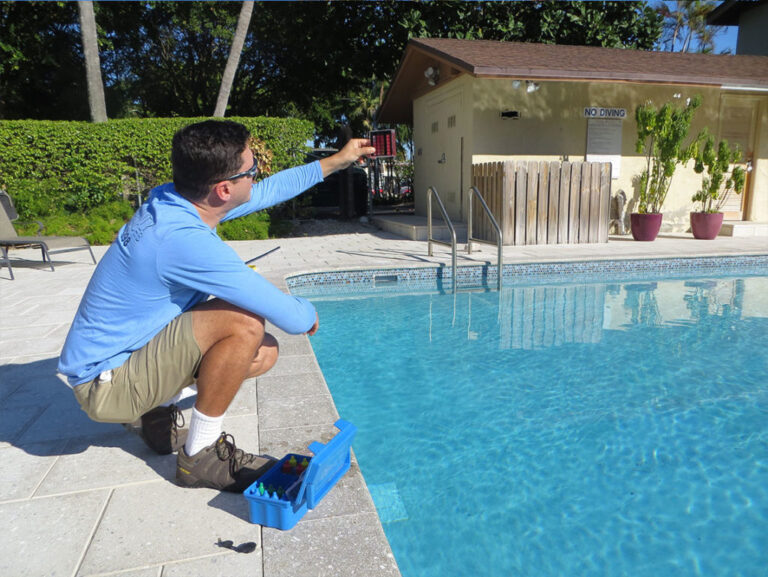
A swimming pool is more than just a luxury feature; it is a carefully engineered system designed for recreation, relaxation, and fitness. However, like any complex structure, pools require regular maintenance and occasional repairs to remain safe and fully functional. Over time, exposure to water pressure, chemicals, weather changes, and general wear can lead to damage in various components. Understanding pool repair is essential for preserving the structural integrity, efficiency, and overall enjoyment of a swimming pool.
Whether the issue involves leaks, surface deterioration, equipment failure, or plumbing problems, timely repair ensures that minor issues do not turn into costly replacements. A well-maintained pool not only enhances property value but also provides a safer and more enjoyable swimming experience.
Understanding the Structure of a Swimming Pool
To fully understand pool repair, it is important to first recognize how a swimming pool is built. A typical pool consists of several key components working together as a system. These include the shell, which forms the main structure; the surface finish, which provides waterproofing and aesthetics; the plumbing system, which circulates water; and the filtration system, which keeps the water clean.Each of these components plays a vital role. When one part is damaged, it can affect the entire system. For example, a small crack in the pool shell may lead to water leakage, while a malfunctioning pump can result in poor water quality. This interconnected nature is why pool repair requires a comprehensive approach rather than isolated fixes.
Common Causes of Pool Damage
Pool damage can occur for several reasons, and understanding these causes helps in preventing future issues. One of the most common causes is natural wear and tear. Over time, constant exposure to water and chemicals gradually weakens surfaces and equipment.Another major cause is ground movement. Soil expansion, contraction, and settling can create pressure on the pool structure, leading to cracks or misalignment. This is especially common in regions with changing weather conditions.Improper chemical balance is also a significant factor. When pool water is too acidic or too alkaline, it can damage surfaces, corrode metal components, and reduce the lifespan of equipment. Similarly, high chlorine levels can lead to surface fading and deterioration.Mechanical failures, such as pump breakdowns or filter issues, also contribute to pool damage. Without proper circulation, water becomes stagnant, leading to algae growth and additional strain on the system.
Identifying Signs That a Pool Needs Repair
Early detection of pool problems is essential for minimizing repair costs. One of the most obvious signs is water leakage. If the water level drops faster than normal evaporation rates, it may indicate a structural or plumbing leak.Cracks in the pool surface are another clear indicator. These cracks may appear in plaster, tile, or concrete surfaces and can worsen over time if not addressed. Even small hairline cracks should not be ignored.Discolored water or persistent cloudiness may point to filtration or chemical balance issues. If cleaning and chemical adjustments do not resolve the problem, it could indicate deeper mechanical issues.Unusual noises from pool equipment, such as grinding or rattling sounds, often signal pump or motor problems. Reduced water circulation or weak suction are also warning signs of system failure.
Types of Pool Repairs
Pool repair can involve several different types of fixes depending on the issue. Structural repairs are among the most serious and involve fixing cracks, leaks, or damage to the pool shell. These repairs often require specialized materials such as epoxy injections or resurfacing compounds.Surface repairs focus on restoring the pool’s interior finish. Over time, plaster, tile, or vinyl liners may become worn or damaged. Resurfacing or patching these areas helps restore both appearance and functionality.Plumbing repairs address issues in the water circulation system. This may include fixing leaks in pipes, replacing damaged valves, or repairing suction lines. Proper plumbing ensures efficient water flow and prevents loss of water.Equipment repairs involve pumps, filters, heaters, and chlorinators. These components are essential for maintaining water quality and temperature. Regular servicing and timely replacement of worn parts are crucial for system efficiency.
Importance of Leak Detection in Pool Repair
Leaks are one of the most common and problematic issues in swimming pools. Detecting and repairing leaks early is essential to prevent water loss and structural damage.Leak detection involves specialized techniques such as pressure testing, dye testing, and electronic listening devices. These methods help identify the exact location of leaks without unnecessary excavation or damage.Once a leak is identified, repairs may involve sealing cracks, replacing pipes, or applying waterproof materials. In some cases, more extensive structural repairs may be required.Ignoring leaks can lead to increased water bills, soil erosion around the pool, and long-term structural instability. This makes leak detection a critical part of pool repair.
Pool Surface Restoration and Resurfacing
The surface of a pool is constantly exposed to water, chemicals, and physical use. Over time, this exposure can cause staining, rough textures, and visible wear. Surface restoration is an important aspect of maintaining both aesthetics and functionality.Resurfacing involves removing the old surface layer and applying a new coating. Common materials include plaster, pebble finishes, and tile. Each option offers different levels of durability and appearance.Crack repairs may involve filling damaged areas with specialized compounds that bond with the existing surface. This helps restore smoothness and prevents further deterioration.Regular resurfacing not only improves appearance but also extends the life of the pool structure, making it a key component of long-term maintenance.
Equipment Maintenance and Repair
Pool equipment plays a crucial role in maintaining water quality and circulation. Pumps, filters, heaters, and automation systems must all function properly for the pool to operate efficiently.Pump failures are among the most common equipment issues. A malfunctioning pump can lead to poor circulation, algae growth, and cloudy water. Repairing or replacing worn components such as seals, bearings, or impellers can restore functionality.Filters also require regular maintenance. Whether sand, cartridge, or diatomaceous earth filters are used, they must be cleaned or replaced periodically to ensure effective filtration.Heaters and chlorinators should also be inspected regularly. Faulty heating systems can affect water temperature, while malfunctioning chlorinators can lead to unsafe chemical levels.Proper equipment care is a vital part of pool repair, ensuring smooth operation and clean water.
Preventive Maintenance to Avoid Major Repairs
Preventive maintenance is one of the most effective ways to reduce the need for extensive repairs. Regular cleaning, chemical balancing, and equipment inspections can help identify potential problems early.Maintaining proper water chemistry is especially important. Balanced pH levels prevent corrosion and scaling, protecting both the pool surface and equipment.Routine inspection of pool surfaces, tiles, and plumbing systems helps detect early signs of damage. Addressing small issues promptly prevents them from escalating into major repairs.Cleaning debris, maintaining filters, and ensuring proper circulation also contribute to overall pool health. Preventive care significantly reduces long-term repair costs and extends the lifespan of the pool.
Cost Considerations in Pool Repair
The cost of pool repair can vary widely depending on the type and severity of the damage. Minor repairs such as patching small cracks or replacing seals are relatively inexpensive. However, major structural repairs or equipment replacements can be significantly more costly.Leak detection and plumbing repairs often require specialized tools and expertise, which can increase costs. Similarly, full resurfacing projects involve labor-intensive work and materials, making them a larger investment.While repair costs may seem high, delaying necessary work often leads to even greater expenses in the future. Timely intervention is a cost-effective approach in the long run.
The Role of Professional Expertise
While some minor maintenance tasks can be handled by pool owners, most repairs require professional expertise. Certified technicians have the knowledge, tools, and experience to diagnose and fix complex issues accurately.Professionals can identify hidden problems that may not be visible to the untrained eye. They also ensure that repairs are carried out safely and in compliance with industry standards.Hiring experienced specialists for pool repair in Miami ensures long-lasting results and reduces the risk of recurring issues.
Conclusion
Swimming pools are valuable assets that require ongoing care and attention. From structural integrity to equipment performance, every component plays a role in maintaining a safe and enjoyable swimming environment.Understanding the causes of damage, recognizing early warning signs, and investing in timely repairs are essential steps in preserving pool functionality. Whether dealing with leaks, surface wear, or equipment failure, effective pool repair ensures long-term durability and efficiency.With proper maintenance and professional support, a swimming pool can remain a reliable source of relaxation and recreation for many years.
