



A roof is one of the most important structural elements of any building because it protects everything underneath it from weather, temperature changes, and environmental damage. Despite its importance, it is often overlooked until a visible problem appears. Small issues that are ignored can quickly develop into serious structural damage, leading to leaks, mold growth, insulation problems, and costly restoration work. Understanding how roofing systems deteriorate, how to identify early warning signs, and how to manage repairs effectively is essential for maintaining a safe and durable property.
This comprehensive guide explains everything you need to know about roof repair, including common causes of damage, repair methods, maintenance practices, and long-term protection strategies.
Why Roofs Become Damaged Over Time
Roofs are constantly exposed to harsh environmental conditions. Sunlight, rain, wind, dust, and temperature fluctuations all contribute to gradual wear and tear. Over time, these natural forces weaken roofing materials and reduce their effectiveness.
One of the most common causes of roof damage is weather exposure. Heavy rain can seep into weak points, strong winds can lift shingles, and prolonged sunlight can dry out materials, making them brittle and prone to cracking.
Age is another major factor. Every roofing system has a limited lifespan, and even high-quality materials eventually deteriorate. As roofs age, their ability to resist water and withstand pressure decreases.Poor installation can also lead to early failure. If roofing materials are not properly installed, weak areas may form, leading to leaks and structural issues. Lack of maintenance further accelerates deterioration, allowing small issues to develop into major repair needs.
Early Signs That Indicate Roof Problems
Recognizing roof damage early can prevent expensive repairs and structural complications. One of the most common warning signs is water stains on ceilings or walls. These stains usually indicate a leak that has already entered the interior structure.
Missing, cracked, or curling shingles are another clear sign of damage. These exposed areas allow water to enter the roof system and weaken its layers.
Granules from shingles collecting in gutters suggest that the roof is aging and losing its protective surface. This reduces the roof’s ability to withstand weather conditions.Sagging areas on the roof may indicate structural weakness, which requires immediate attention. Increased energy bills can also signal roofing issues due to poor insulation or air leakage.Identifying these signs early allows property owners to address problems before they require extensive roof repair.
Common Types of Roof Damage
Roof damage can appear in several forms depending on weather conditions, materials, and maintenance levels.
Shingle damage is one of the most frequent issues. Shingles may crack, loosen, or fall off due to wind or aging. Once damaged, they expose the underlying structure to water infiltration.Leaks are another major concern. They often start small but can spread quickly, causing damage to insulation, ceilings, and walls.Flashing damage is also common. Flashing is used around chimneys, vents, and edges to prevent water entry. When it becomes loose or corroded, leaks are likely to occur.Structural damage happens when water infiltration or long-term stress weakens the roof framework. This is a serious issue that requires immediate professional roof repair.
The Roof Repair Process Explained
Roof repair involves a series of steps designed to identify damage, restore function, and prevent future issues.
The first step is inspection. A detailed evaluation is conducted to locate visible and hidden problems. This includes checking shingles, flashing, gutters, and underlying structures.Once the damage is identified, temporary protection may be applied to prevent further water entry or deterioration.Next, damaged materials are replaced. This may include shingles, underlayment, or flashing components. Matching materials with the existing roof ensures consistency and durability.If structural components are affected, reinforcement or replacement is performed to restore stability.Finally, sealing and waterproofing are applied to protect the repaired areas. This ensures the roof is fully restored and ready to withstand future weather conditions.A properly executed roof repair process not only fixes existing issues but also strengthens the entire roofing system.
DIY vs Professional Roof Repair
Some minor roofing tasks can be handled by property owners, such as cleaning gutters or replacing a single damaged shingle. However, most roof repairs require professional expertise.Working on a roof can be dangerous without proper safety equipment and training. Improper repairs can also make the problem worse by failing to address underlying issues.Professional roofers have the experience, tools, and knowledge to identify both visible and hidden damage. They follow safety protocols and ensure repairs meet industry standards.For complex or widespread damage, hiring experts for roof repair is the safest and most effective option.
Different roofing systems require different materials for repair work.Asphalt shingles are commonly used because they are affordable and easy to install. Metal roofing is durable and resistant to extreme weather conditions. Tile roofs offer long-lasting performance but require careful handling during repairs.
Flashing materials, waterproof membranes, and sealants are also essential for preventing leaks and ensuring durability.Using high-quality materials during roof repair improves performance and extends the lifespan of the roof.
Preventive Maintenance for Roof Longevity
Preventing roof damage is always more cost-effective than repairing it. Regular maintenance helps identify small issues before they become serious problems.Routine inspections are essential, especially after storms or seasonal changes. Cleaning gutters prevents water buildup and reduces the risk of leaks.Removing debris such as leaves and branches helps prevent moisture retention and surface damage. Trimming nearby trees reduces the risk of falling branches damaging the roof.Ensuring proper ventilation helps regulate temperature and moisture levels inside the roof structure, reducing long-term wear.These preventive measures significantly reduce the need for frequent roof repair.
Cost Factors in Roof Repair
The cost of roof repair depends on several factors. The extent of damage is one of the most important considerations. Minor repairs are usually less expensive, while structural damage requires more labor and materials.The type of roofing material also affects cost. Premium materials generally require higher repair expenses.Accessibility is another factor. Roofs that are difficult to reach may require special equipment or additional labor.Labor rates and urgency of repair can also influence overall cost. Emergency repairs tend to be more expensive due to immediate response requirements.Understanding these factors helps property owners plan for necessary roof repair expenses.
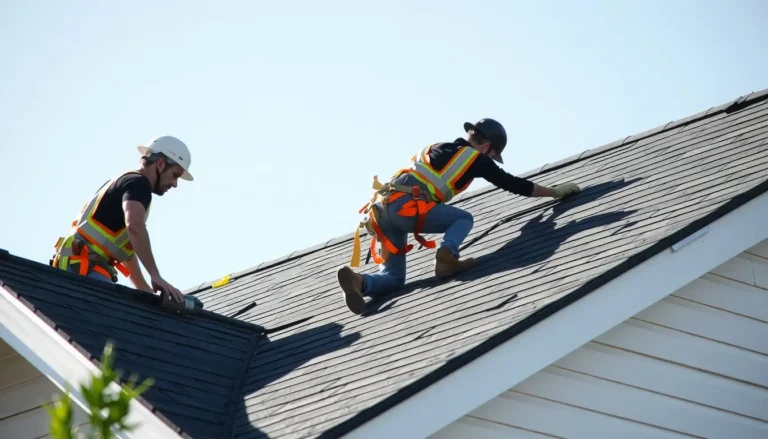
Roof repair involves significant safety risks. Working at heights requires proper equipment such as harnesses, ladders, and non-slip footwear.Weather conditions should always be considered before starting repair work. Wet or windy conditions increase the risk of accidents.Professional roofers are trained to follow strict safety guidelines, making them better equipped to handle repairs safely and efficiently.
Safety is a critical part of any roof repair process.
Importance of Timely Roof Repair
Delaying roof repairs can lead to serious consequences. Small leaks can expand and damage insulation, ceilings, and interior walls. Over time, this can also lead to mold growth and structural weakening.Timely repairs prevent these issues and reduce overall costs. Addressing problems early ensures the roof remains strong and functional.Regular maintenance and quick response to damage are key to avoiding major restoration work.
Long-term roof protection requires consistent care and attention. Regular inspections, proper maintenance, and quality materials all play a vital role.Investing in durable roofing systems improves resistance to weather conditions and reduces future repair needs.Professional inspections help identify hidden issues before they become serious problems.A proactive approach ensures fewer emergencies and more efficient roof repair management over time.
Conclusion
A roof is a vital part of any structure, and maintaining it properly is essential for safety, comfort, and long-term durability. Understanding how damage occurs, recognizing early warning signs, and taking timely action can prevent costly repairs and serious structural issues.
Whether dealing with minor wear or significant damage, prompt attention ensures better outcomes and longer roof life. Regular maintenance and professional support play an important role in preserving roof strength.Ultimately, consistent care and timely roof repair are the foundation of a safe, durable, and well-protected home.
