



Understanding the Role of Handguards in Modern Gymnastics
Gymnastics is a sport defined by the constant battle between friction and fluid movement. For athletes working on the uneven bars, high bar, or rings, the hands are the primary point of contact with equipment. This contact involves immense centrifugal force and heat generation. Handguards, often referred to simply as grips, serve two vital purposes: they protect the skin from painful tears known as rips and they enhance the gymnast’s ability to maintain a secure hold on the apparatus.
Choosing between dowel and velcro handguards is one of the most significant equipment decisions a gymnast will make. This choice often marks a transition in their career from recreational levels to competitive excellence. While both styles aim to protect the palms, they function using entirely different mechanical principles. Elite Gymnastics provides high quality equipment that helps athletes navigate these choices, ensuring that every gymnast has the support they need to perform safely. Understanding these differences is essential for coaches, parents, and athletes alike to prevent injury and promote technical progression.
The Anatomy of a Velcro Handguard
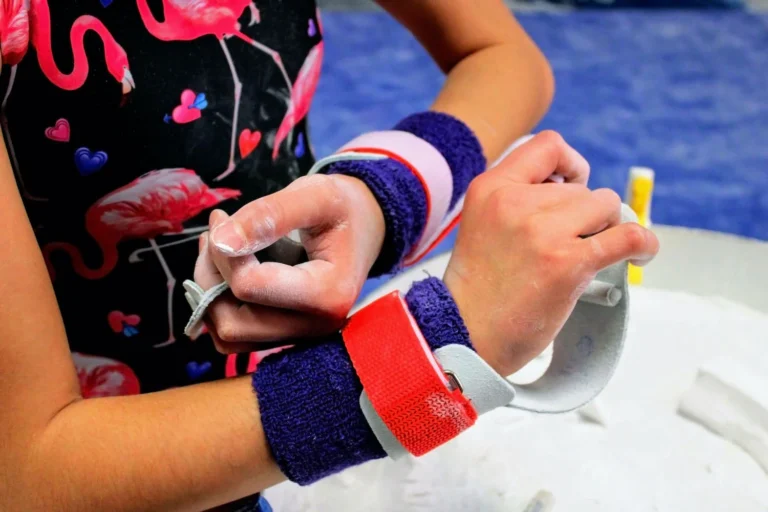
Velcro handguards are typically the first step for a beginner or intermediate gymnast. These grips are characterized by a flat piece of leather that covers the palm and attaches around the wrist with velcro straps. Unlike more advanced models, these do not feature a physical rod or dowel at the fingertips. The primary function of this style is skin protection. By providing a barrier between the wooden bar and the palm, they significantly reduce the occurrence of friction burns and blisters.
The closure system is a defining feature. Velcro allows for quick adjustments and easy removal, which is ideal for younger athletes who may need to put their grips on and take them off multiple times during a single rotation. However, because they lack a dowel, they do not offer much mechanical advantage when it comes to swinging. They rely entirely on the strength of the gymnast’s squeeze. For athletes just starting out, Elite Gymnastics recommends starting with these simpler designs to build natural hand strength before moving to more complex equipment.
Material Composition and Flexibility
Most velcro handguards are made from a softer, thinner leather than their dowel counterparts. This allows for immediate comfort and flexibility. Because the leather is thinner, the gymnast maintains a high level of tactile feedback from the bar. This is crucial for beginners who are still learning the feel of the equipment and developing their kinesthetic awareness. The lack of a dowel means the leather can mold easily to the hand without a lengthy break in process.
Wrist Support and Attachment
The velcro straps provide a moderate level of wrist support, but their main job is keeping the palm piece centered. Over time, velcro can lose its stickiness if it becomes clogged with chalk or dust, which is a common occurrence in a gym environment. Athletes must be diligent about cleaning their straps to ensure the handguards do not shift during a swing, which could lead to a loss of grip or skin irritation.
The Engineering Behind Dowel Handguards
Dowel handguards represent a significant leap in gymnastics technology. These grips feature a small, cylindrical rod, known as a dowel, sewn into the leather near the finger holes. This dowel creates a small pocket or hook when the gymnast wraps their hand around the bar. This mechanical hook allows the athlete to hang onto the bar with significantly less muscular effort from the forearms and fingers.
When discussing Dowel vs Velcro Handguards: Key Differences, the presence of the dowel is the most critical factor. At Elite Gymnastics, the focus is often on how this specific piece of equipment enables advanced skills like giants, releases, and high-velocity swings. The dowel acts as a pivot point, allowing the gymnast to lock onto the bar securely. This is not just a matter of comfort; it is a matter of physics. As centrifugal force increases during a swing, the dowel provides a physical stop that prevents the hand from slipping off the bar.
The Structural Integrity of the Dowel
The dowel itself is usually made of a hard plastic, wood, or a dense rubber compound. It is strategically placed so that it sits just past the knuckles when the hand is closed. This placement is vital because if the dowel is too high or too low, it can interfere with the gymnast’s ability to release the bar or can cause excessive pressure on the finger joints. Professional fitting is always recommended when moving to this style of grip.
Leather Thickness and Durability
Dowel grips are typically constructed from much thicker, high grade leather. This thickness is necessary to support the weight of the gymnast during high impact movements. While the thicker leather provides superior protection and longevity, it also requires a much more intensive break in period compared to velcro models. The leather must be softened and trained to wrap around the dowel and the bar simultaneously.
Comparing Grip Strength and Bar Security
The fundamental difference in performance between these two types of handguards lies in how they interact with the bar. Velcro handguards rely on friction and the gymnast’s grip strength. If the gymnast’s forearms tire, their grip on the bar weakens. This makes velcro grips unsuitable for high level optional routines where the duration and intensity of the exercise are high.
- Mechanical Hooking: Dowel grips create a hook that literally hangs the gymnast on the bar, reducing the reliance on pure grip strength.
- Surface Area: The thick leather of a dowel grip provides more surface area for chalk to adhere to, which increases friction and stability.
- Tension Distribution: Dowel grips distribute the force of a swing across the entire palm and wrist, whereas velcro grips often pull directly on the finger holes.
- Confidence in Releases: Knowing that the dowel will catch the bar during a re-grasp gives athletes the confidence to perform complex release moves.
Break in Periods and Maintenance Requirements
A common mistake made by transitioning athletes is attempting to perform full routines in brand new dowel grips. Because the leather is thick and the dowel adds rigidity, these handguards require a dedicated break in period. This usually involves wearing them during basic swings or even soaking them slightly with water to help the leather mold to the hand. In contrast, velcro grips are often ready to use right out of the bag.
Maintenance Best Practices
Proper maintenance can extend the life of your equipment significantly. For both types of handguards, keeping them dry is essential. Sweat and excess water can cause the leather to become brittle and eventually crack.
- Use a grip brush to remove excess chalk buildup after every practice.
- Store grips in a dedicated bag to prevent them from drying out or getting tangled with other gear.
- Inspect the stitching around the dowel and the integrity of the velcro straps weekly.
- Never share grips, as the leather molds to the specific hand shape of the individual athlete.
Elite Gymnastics emphasizes that maintaining your gear is a part of being a professional athlete. When the leather starts to thin or the dowel feels loose, it is time to replace them immediately to avoid equipment failure mid-swing.
Safety Considerations for Developing Athletes
Safety is the paramount concern when choosing handguards. For younger children, dowel grips can actually be dangerous if they do not have the hand size or strength to manage them. If a gymnast’s hand is too small, the dowel may not sit correctly, causing the hand to be forced into an unnatural position. This can lead to wrist strain or even a phenomenon known as grip lock, where the grip wraps around the bar and prevents the gymnast from letting go.
Velcro handguards are generally safer for beginners because they do not have the mechanical leverage to cause grip lock. They provide just enough protection to keep the athlete comfortable while they learn the basics of swinging and shifting their weight. Coaches usually wait until a gymnast is performing consistent giants or clear hips before suggesting a move to dowel grips.
Cost Analysis and Longevity Expectations
There is a notable price difference between these two styles. Velcro handguards are relatively inexpensive, reflecting their simpler construction and shorter lifespan. They are often viewed as a consumable item that might be replaced once or twice a year as the athlete grows or the leather wears down.
Dowel handguards are a more significant investment. The high quality leather, specialized dowels, and reinforced stitching command a higher price point. However, they are also built to last longer. A well maintained pair of dowel grips can last an entire competitive season, depending on the frequency of use and the intensity of the training. When purchasing through a reputable provider like Elite Gymnastics, you are paying for the peace of mind that comes with tested, competition grade materials.
Choosing the Right Protection for Your Skill Level
Selecting the right handguard is a milestone in a gymnast’s journey. It should be based on the skills currently being performed and the advice of a qualified coach.
- Recreational and Level 1 to 3: Velcro handguards are almost always the best choice here. The focus is on comfort and basic protection.
- Level 4 to 5: This is the transition zone. Some athletes may stay in velcro grips, while others with larger hands or faster swings might move to a beginner dowel model.
- Level 6 and Above: Dowel grips become a necessity. The complexity of the skills requires the mechanical advantage provided by the dowel.
- Specialized Events: For male gymnasts on rings, specialized dowel grips with extra wide leather are required to handle the unique forces of that apparatus.
Mastering the Transition Between Guard Types
Moving from velcro to dowel grips is a major adjustment that affects every aspect of a gymnast’s bar work. The sensation of the bar changes entirely. Because the dowel creates a gap between the palm and the wood, the gymnast may initially feel like they are less connected to the equipment. This is temporary and usually resolves after a few weeks of consistent training.
During the transition, it is helpful to work on basic skills first. Simple long hang swings and tap swings allow the athlete to feel how the dowel catches the bar. It is also a good time to experiment with different types of wrist bands. Since dowel grips pull harder on the wrists, thicker cotton or neoprene wristbands are often necessary to prevent chafing and bruising.
Ultimately, the choice between dowel and velcro handguards is a progression. One is not inherently better than the other; rather, they are designed for different stages of athletic development. By understanding the mechanical differences and safety implications, gymnasts can ensure they are always using the tool that best supports their performance and protects their physical well being. Whether you are just starting your journey or looking to upgrade for your next competition, choosing the right equipment ensures that your focus remains where it should be: on the perfect execution of your routine.
