



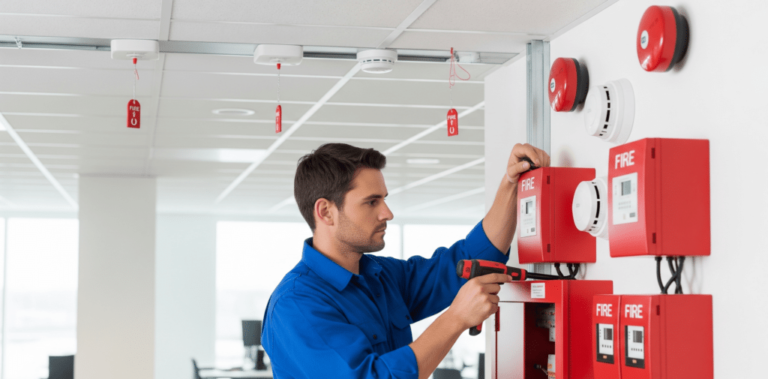
Fire safety is one of the most important responsibilities for any business owner. Whether you manage a small office, a retail store, a warehouse, or a large commercial building, protecting your employees, customers, and property from fire hazards should always be a top priority. One of the most effective ways to achieve this is by installing a reliable fire alarm system. A professional commercial fire alarm installer plays a key role in ensuring that your fire alarm system is properly designed, installed, and maintained.
What Is a Commercial Fire Alarm Installer?
A commercial fire alarm installer is a trained professional who specializes in installing fire alarm systems in business environments. These experts understand fire safety regulations, building codes, and system requirements for different types of commercial properties.
Their job involves assessing the building layout, selecting the appropriate fire alarm equipment, installing sensors and control panels, and ensuring the entire system works correctly. They also make sure that the installation meets all safety standards and local fire regulations.
Unlike residential systems, commercial fire alarm systems are more complex. They often include smoke detectors, heat detectors, manual pull stations, alarm panels, emergency notification systems, and monitoring services. A professional installer ensures all these components work together effectively.
Why Fire Alarm Systems Are Essential for Businesses
Fire incidents can cause severe damage to property and may even lead to loss of life. Without a proper fire detection system, a small fire can quickly grow into a major disaster.
A well-installed fire alarm system provides early warning when smoke or heat is detected. This allows employees and customers to evacuate safely and helps emergency responders react quickly.
For businesses, fire alarm systems are not just about safety—they are also about compliance. Many local regulations require commercial buildings to have properly installed fire detection systems. Failure to meet these requirements can result in fines, legal issues, or business shutdowns.
Components of a Commercial Fire Alarm System
Commercial fire alarm systems consist of several important components that work together to detect and respond to fire hazards.
Smoke detectors are one of the most common devices used in fire alarm systems. They detect smoke particles in the air and trigger the alarm when smoke levels reach a certain threshold.
Heat detectors are another important component. These devices activate when they detect a sudden rise in temperature or when the temperature exceeds a specific limit.
Manual pull stations allow individuals to activate the fire alarm manually if they notice a fire before the automatic detectors respond.
The fire alarm control panel acts as the central system that receives signals from detectors and activates alarms throughout the building.
The Installation Process
First, the installer conducts a detailed inspection of the building. This helps determine the number and placement of detectors, alarm panels, and notification devices.
Next, the installer designs a fire alarm system that meets the specific needs of the building. Different types of businesses require different system configurations depending on size, layout, and occupancy.
Once the design is approved, the installer begins the installation process. This includes wiring the system, mounting detectors and alarms, and connecting all components to the control panel.
After installation, the system is tested thoroughly to ensure it functions properly. The installer checks that detectors trigger alarms correctly and that notification devices alert occupants throughout the building.
Benefits of Hiring a Professional Installer
One major benefit is compliance with safety regulations. Professional installers are familiar with fire safety codes and ensure your system meets all legal requirements.
Another advantage is reliability. Proper installation ensures the system works correctly during emergencies. Poorly installed systems may fail to detect fires or trigger false alarms.
Professional installers also use high-quality equipment designed for commercial environments. This improves system durability and long-term performance.
In addition, many installers offer maintenance and inspection services to keep your fire alarm system in optimal condition.
Maintenance and Inspections
Installing a fire alarm system is only the first step. Regular maintenance is essential to ensure the system continues to function properly.
Commercial fire alarm systems should be inspected periodically to check detectors, wiring, batteries, and control panels. Dust buildup, damaged wiring, or low batteries can affect system performance.
Professional installers often provide maintenance plans that include routine testing and inspections. These services help identify potential problems before they become serious safety risks.
How to Choose the Right Commercial Fire Alarm Installer
Selecting the right installer is an important decision for any business owner.
Start by choosing an installer with experience in commercial fire alarm systems. Experienced professionals understand the complexities of large buildings and commercial safety requirements.
Licensing and certification are also important. A qualified installer should meet industry standards and follow fire safety regulations.
Reputation is another factor to consider. Look for installers with positive customer feedback and a strong track record of successful installations.
Final Thoughts
Fire safety should never be overlooked in any commercial environment. A reliable fire alarm system can protect lives, reduce property damage, and ensure your business meets important safety regulations.
Hiring a professional commercial fire alarm installer ensures your system is designed and installed correctly from the beginning. From system planning and installation to maintenance and inspections, experienced installers provide the expertise needed to keep your business safe.
