



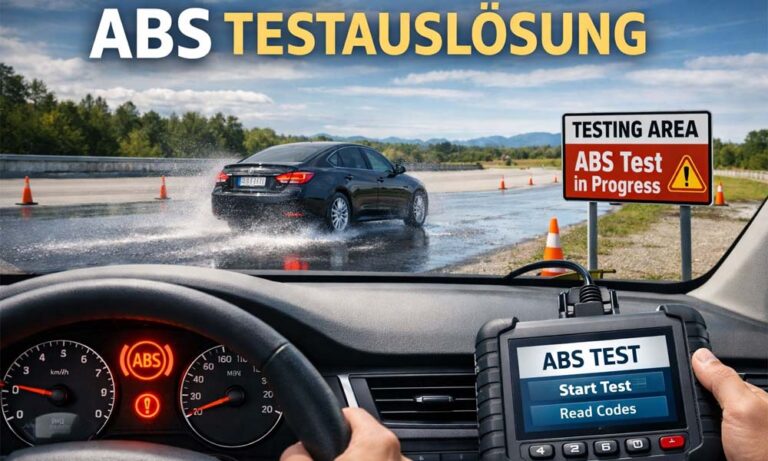
Have you ever pressed your brake and felt a strange little shake or pulse? It can feel scary, especially if you do not know what is happening. Many drivers think something is wrong with their car at that moment.
This is where ABS Testauslösung comes in. It is a term people use when the ABS system either tests itself or becomes active. The tricky part is that it can feel similar in both cases, which makes it confusing for many drivers.
In 2026, cars are smarter than ever. They check themselves again and again to stay safe. But when you feel something new or see a light on the dashboard, it is normal to worry and ask questions.
In this article, we will explain everything in very easy words. You will learn what ABS Testauslösung means, how ABS works, when it is normal, and when it may be a warning sign you should not ignore.
What Is ABS Testauslösung?
Let’s start with the basics. ABS Testauslösung simply means that the ABS system is being triggered or tested. It can happen on purpose, or it can happen automatically inside your car.
Sometimes, your car runs a small check when you start driving. This check makes sure everything is working fine. When this happens, you may feel a tiny pulse in the brake pedal. That is a normal part of ABS Testauslösung.
Other times, people use the same word when ABS activates during braking. For example, if you brake hard on a wet road, the system quickly reacts. This is not a test, but real ABS working to keep you safe.
So, the big idea is simple. ABS Testauslösung can mean a normal system check, or it can mean the system is doing its job during braking. The key is to understand the difference.
What Does ABS Do in a Car?
ABS stands for Anti-Blockier-System. In very simple words, it stops your wheels from locking when you brake hard. This helps your car stay under control.
Imagine you are driving fast and suddenly need to stop. If your wheels lock, your car can slide. You may not be able to steer properly. That can be very dangerous, especially on wet or slippery roads.
This is where ABS helps. It keeps the wheels turning just enough so you can still steer. So even during a hard stop, you can guide your car and avoid hitting something.
That is why ABS is a very important safety system. It works quietly in the background. But when needed, it reacts very fast to protect you and your car.
How ABS Works Step by Step
The ABS system works in a very smart and fast way. First, it checks how fast each wheel is turning. It does this using small sensors near the wheels.
If one wheel starts to stop too quickly, the system understands that it may lock. This is the moment when ABS jumps into action. It quickly reduces the brake pressure on that wheel.
Then, once the wheel starts moving again, the system adds the pressure back. This process happens again and again, very fast. It can repeat many times in just one second.
You may feel this as a fast pulsing in the brake pedal. This is not a problem. It simply means the system is working to keep your car stable and safe.
When ABS Testauslösung Is Normal
Now let’s talk about when ABS Testauslösung is completely normal. Many modern cars do a small self-check when you start driving. This is a built-in safety feature.
You may feel a small pulse in the brake pedal when driving slowly, like in a parking area. It usually happens once and then disappears. This is the system checking itself.
There is no need to worry if everything feels normal after that. Also, if no warning light stays on, it is a good sign that your ABS is working fine.
Think of it like your phone doing a quick update check. It happens in the background and keeps things running smoothly. That is exactly what normal ABS Testauslösung does.
When ABS Is a Warning Sign
Sometimes, ABS Testauslösung is not normal. It can be a sign that something is wrong with the system. This is when you need to pay more attention.
If the ABS light stays on all the time, it usually means there is a problem. The system may not work properly when you need it most. That can be risky in an emergency.
Another warning sign is when ABS activates on a clean, dry road during normal braking. This is not expected behavior. It may point to a sensor or system issue.
If you notice repeated strange behavior, do not ignore it. Your car is trying to tell you something. It is always better to check the problem early than wait for a bigger issue.
ABS Testauslösung vs Real ABS Use
It is very important to know the difference between a test and real ABS action. This helps you stay calm and understand what your car is doing.
A normal ABS Testauslösung is short and light. You may feel one small pulse, and then everything goes back to normal. It often happens at low speed and only once.
Real ABS use feels stronger. The brake pedal may shake quickly, and you may hear a buzzing sound. This usually happens during sudden or hard braking.
For example, if you brake on a wet road and feel strong pulsing, that is ABS helping you. But if you feel it often on dry roads, it may be time to check your system.
What the ABS Light Is Trying to Tell You
The ABS light on your dashboard is very important. It is like a message from your car. It tells you if the ABS system is working or if there is a problem.
When you start your car, the light may turn on for a few seconds. This is normal. It is part of the system check. The light should go off quickly after that.
If the light stays on, it means something is wrong. The ABS may not work properly. You can still drive, but the extra safety support may not be there.
Sometimes, other lights may appear too, like the brake light or traction control light. This can mean the problem is bigger and needs attention soon.
Common Reasons ABS Problems Happen
Now let’s talk about why ABS Testauslösung can turn into a real problem. One of the most common reasons is a faulty wheel speed sensor. These sensors sit near the wheels and can get dirty, damaged, or loose over time.
Sometimes, the wires connected to these sensors can break or wear out. This can happen from water, dirt, or even small road hits. When the signal is not clear, the ABS system gets confused and may act in a strange way.
Another reason can be low brake fluid. If the fluid is too low, the braking system cannot work properly. This can trigger warning lights and affect how ABS responds during braking.
A weak battery can also cause problems. In modern cars, many systems depend on power. If the battery is weak, the ABS may fail its self-check and show a warning even if nothing is seriously broken.
Why ABS Problems Start After Repair Work
Many drivers notice ABS issues right after getting their brakes or tires fixed. This can feel strange, but it happens more often than you think. During repair work, small parts can move or get affected.
For example, a sensor wire may get pulled or bent without noticing. Even a small change can affect how the ABS reads wheel speed. This can lead to sudden warnings or strange ABS Testauslösung moments.
Sometimes, when wheel bearings are replaced, the position of parts changes slightly. This can affect how the sensor reads signals. The system may then think something is wrong, even if the main parts are new.
Also, using the wrong tire size or uneven tire pressure can confuse the system. The wheels may spin at slightly different speeds, and ABS may react when it should not.
What ABS Testauslösung Feels Like
Many people ask, “What does ABS Testauslösung actually feel like?” The answer is simple. It usually feels like a quick vibration or pulsing in the brake pedal.
During a normal test, you may feel one small pulse. It is soft and quick. It happens once and then goes away. This is just the system checking itself and nothing to worry about.
During real ABS action, the feeling is stronger. The brake pedal may shake quickly again and again. You may also hear a light buzzing sound. This means the system is working hard to keep control.
It can feel strange if you have never felt it before. But it is actually a good sign. It shows that your car is trying to keep you safe during braking.
Is It Safe to Drive With the ABS Light On?
If the ABS light is on, many drivers feel worried. The truth is, your car can still stop. But the ABS system may not work during hard braking.
This means your wheels could lock if you brake suddenly. On dry roads, you may not notice a big difference. But on wet or slippery roads, it can be risky.
Without ABS, you may lose some steering control during a sudden stop. This can make it harder to avoid danger. That is why it is important to fix the issue soon.
If you also see a red brake light or feel the brake pedal acting strange, do not wait. It is safer to check the car as soon as possible.
Easy Things to Check First
Before going to a mechanic, there are a few simple things you can check. These small checks can sometimes explain why ABS Testauslösung is happening.
First, check if the parking brake is fully released. Sometimes it stays slightly on and causes warning lights. This is a simple fix that many people miss.
Next, look at the brake fluid level. If it is too low, it can affect the system. Also, check your tires. Make sure they all have the right pressure and size.
If you can safely look near the wheels, check for loose or damaged wires. You do not need to fix anything yourself. Just noticing something unusual can help a mechanic later.
How a Mechanic Tests ABS
When you take your car to a mechanic, they use special tools to check the ABS system. These tools can read error codes stored in the car.
These codes help find the exact problem. For example, they can show which wheel sensor is not working properly. This makes the repair faster and more accurate.
A good mechanic will not just replace parts quickly. They will check wires, sensors, and signals step by step. This helps find the real cause of the issue.
Sometimes, they may also test the car while driving slowly. This helps them see how the ABS behaves in real conditions and confirm the problem.
How to Keep ABS Working Well
Keeping your ABS system in good shape is not very hard. A few simple habits can make a big difference over time.
Always keep your tires in good condition. Good tires help the ABS work better and reduce stress on the system. Also, check tire pressure regularly.
Make sure your car battery is healthy. A strong battery helps all systems work smoothly, including ABS. Weak power can cause false warnings.
During any brake or wheel repair, make sure the work is done carefully. Small mistakes can affect sensors and cause problems later. Regular checks can keep everything running well.
Conclusion
Now you understand that ABS Testauslösung is not always something to fear. Sometimes it is just your car doing a normal check. Other times, it is the system helping you stay safe.
The important thing is to notice the signs. A quick pulse with no warning light is usually normal. But a constant light or strange behavior should not be ignored.
Think of your car as a smart partner. It gives signals to help you stay safe. If you understand those signals, you can react in the right way without panic.
In 2026, cars are more advanced, but the goal is still simple. Stay safe, stay aware, and take care of small issues early. That way, your ABS system will always be ready when you need it most.
(FAQs)
What is ABS Testauslösung in simple words?
ABS Testauslösung means your car is testing or activating the ABS system. It can be a normal self-check when you start driving, or it can happen when the system is working during braking to keep you safe.
Why does my brake pedal vibrate suddenly?
This usually happens when ABS is active. The system quickly controls brake pressure to stop the wheels from locking. The vibration or pulsing is normal and shows that the ABS is working correctly.
Is ABS Testauslösung always normal?
No, not always. A quick pulse with no warning light is usually normal. But if it happens again and again or the ABS light stays on, it may be a sign of a problem that needs checking.
When should I worry about ABS Testauslösung?
You should worry if the ABS light stays on, the brakes feel strange, or the system activates on dry roads without reason. These signs can mean something is wrong with the ABS system.
Can I still drive if the ABS light is on?
Yes, you can still drive, but carefully. Your normal brakes will work, but ABS may not. This means your wheels can lock during hard braking, especially on wet or slippery roads, which can be risky.
What causes ABS problems in most cars?
Common causes include faulty wheel speed sensors, damaged wires, low brake fluid, weak battery, or dirt around the sensors. These small issues can make the ABS system behave incorrectly.
Why did my ABS light come on after brake or tire work?
During repairs, sensor wires may get moved or damaged. Also, changes in wheel parts or tire size can affect how the system reads speed. This can trigger ABS warnings soon after repair work.
What does normal ABS Testauslösung feel like?
It usually feels like a small, quick pulse in the brake pedal. It happens once and goes away. This is a normal system check and nothing to worry about if no warning light stays on.
How do mechanics find ABS problems?
Mechanics use special scan tools to read error codes from the car. These codes show where the problem is. They also check sensors, wires, and system signals to find the exact cause.
How can I prevent ABS problems in the future?
Keep your tires in good condition, check brake fluid, and maintain a healthy battery. Also, make sure repairs are done carefully. Regular checks can help avoid ABS issues and keep your car safe.
You may also read: Courseto: The Easy Learning Platform That Helps You Build Real Skills
