



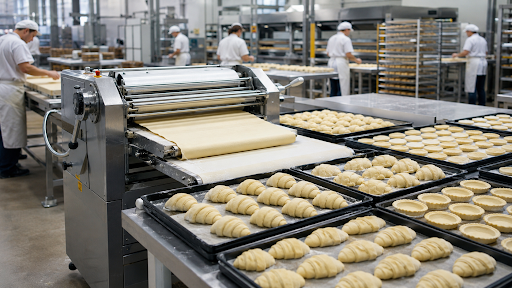
Running a bakery is not only about using good flour, fresh ingredients, and skilled hands. It is also about creating a smooth process that helps the team work faster and produce the same quality every day. Whether a bakery makes bread, pizza bases, pastries, cookies, or flatbreads, dough preparation is one of the most important steps. If the dough is not prepared properly, the final product can lose its shape, texture, and taste.
Dough Sheeter is a useful machine for bakeries that want to roll dough evenly and save time during daily production. Instead of rolling dough by hand again and again, this equipment helps turn dough into smooth and even sheets. It gives better control over thickness and helps bakers prepare dough for different products with less effort.
In many bakeries, dough rolling is still done manually. This may work for small batches, but it becomes difficult when orders increase. Manual rolling takes time, needs physical strength, and may not always give the same result. One worker may roll the dough thicker, while another may roll it thinner. These small differences can affect baking quality. For a growing bakery, consistency is very important, and the right machine can make this process easier.
Why Even Dough Thickness Matters
Dough thickness has a direct impact on the final baked product. If the dough is uneven, some parts may bake faster while other parts may stay soft or undercooked. This problem is common in pastries, pizza bases, pie crusts, and flatbreads. A smooth and balanced dough sheet helps heat spread more evenly during baking.
For example, pastry products need thin and even layers to create a light and flaky texture. Pizza bases need a balanced thickness so the crust can bake properly from edge to center. Cookies and other shaped products also look better when the dough sheet is smooth before cutting.
When dough thickness is controlled, bakeries can improve:
- Product shape and size
- Baking consistency
- Texture and taste
- Presentation and appearance
- Customer satisfaction
- Production speed
This is why professional bakeries often prefer machines that help them control dough preparation instead of depending only on hand rolling.
Saving Time in Busy Bakery Operations
Time is one of the biggest challenges in bakery production. Many bakeries start work early in the morning and need to prepare large quantities of dough before customers arrive. If the team spends too much time rolling dough by hand, it can slow down the whole production line.
Using bakery rolling equipment helps reduce this pressure. The machine can flatten dough quickly and prepare sheets for cutting, shaping, filling, or baking. This means workers can complete more tasks in less time.
A faster dough preparation process also helps during peak hours. When a bakery receives more orders than usual, the team can continue working smoothly without losing quality. This is helpful for bakeries that supply restaurants, hotels, supermarkets, cafés, or catering businesses.
Time-saving equipment does not only make work faster. It also helps reduce stress for workers and allows the bakery to handle more production with better planning.
Better Consistency for Professional Results
Customers expect the same quality every time they buy from a bakery. If a product tastes good one day but looks different the next day, customers may feel unsure. Consistency builds trust, and trust helps a bakery grow.
A machine-based dough rolling process helps create repeatable results. The dough can be rolled to a set thickness again and again. This makes it easier to maintain product standards, especially when several workers are involved in production.
Professional consistency is important for many products, such as:
- Croissants and puff pastries
- Pizza bases
- Pie crusts
- Flatbreads
- Cookies and biscuits
- Dough sheets for filled products
- Bakery items that need accurate cutting
When every sheet of dough is prepared evenly, the final products look more professional. This helps the bakery build a better image in front of customers.
Reducing Manual Effort and Worker Fatigue
Rolling dough by hand may look simple, but it can become tiring when done for many hours. Workers need to apply pressure again and again. Over time, this can cause fatigue and reduce working speed. Tired workers may also make more mistakes, especially during long production days.
Bakery equipment helps reduce this physical workload. Workers can guide the dough through the machine instead of using heavy force manually. This makes the process more comfortable and efficient.
For bakery owners, reducing worker fatigue is also good for business. A comfortable team can work better, stay focused, and complete tasks with more accuracy. It can also help create a safer and more professional kitchen environment.
Supporting Different Bakery Products
One of the biggest advantages of modern dough rolling equipment is flexibility. A bakery may not produce only one item. Many bakeries make different products every day, and each product may need a different dough thickness.
In the middle of this production process, choosing a reliable Dough Sheeter can help bakeries handle different dough types and product requirements with better control. By adjusting the thickness, bakers can prepare thin sheets for pastries or thicker sheets for pizza and bread-style products.
This flexibility allows bakeries to expand their menu. They can try new recipes, add new products, and improve existing items without making the process too complicated.
Some common uses include:
- Rolling pastry dough for layered products
- Preparing pizza bases with even thickness
- Making pie crusts and tart shells
- Creating flatbread and wrap dough
- Preparing cookie dough sheets for cutting
- Handling dough for filled bakery products
This makes the machine useful for small bakeries, commercial kitchens, restaurants, hotels, and larger food production businesses.
Improving Product Appearance
The look of bakery products matters a lot. Customers often choose products based on appearance before they taste them. A clean, well-shaped, and evenly baked product gives a professional impression.
When dough is rolled by hand, it may have uneven edges or rough surfaces. A smooth rolling process helps create better-looking dough sheets. After that, cutting, shaping, folding, or filling becomes easier.
Better appearance can also improve branding. If a bakery’s products look neat and consistent, customers are more likely to remember the brand. This can help increase repeat purchases and customer loyalty.
Reducing Dough Waste
Dough waste is a common problem in bakeries. If the dough is rolled unevenly, some parts may not be useful. Workers may need to re-roll the dough or cut away extra pieces. This takes more time and can increase waste.
With better rolling control, bakeries can use dough more efficiently. Smooth and even sheets make cutting easier and reduce unnecessary leftover dough. Over time, this can help reduce costs.
Less waste means better profit. For a bakery business, even small savings in daily production can make a big difference over months and years.
What to Consider Before Choosing Equipment
Before buying any bakery machine, it is important to understand your production needs. A small bakery may need a compact model, while a large production unit may need a stronger machine with higher capacity.
Some points to consider include:
- How much dough you prepare daily
- What type of products you make
- Available space in your kitchen
- Required dough thickness range
- Machine durability and build quality
- Ease of cleaning and maintenance
- Safety features for workers
- Long-term production goals
Choosing the right equipment can support both current needs and future business growth. It is better to invest in a machine that matches your bakery’s workflow instead of choosing only by price.
A Smart Step for Growing Bakeries
Modern bakeries need to work faster without losing quality. Customers want fresh, tasty, and well-presented products. At the same time, bakery owners need to manage time, labor, cost, and production pressure.
The right dough rolling equipment can help solve many of these challenges. It improves consistency, saves time, reduces manual effort, and supports better product quality. For bakeries that want to move from small-scale work to a more professional setup, this type of machine can be a smart investment.
Final Thoughts
Dough preparation is one of the most important parts of bakery production. If the dough is prepared well, the final product has a better chance of looking good, baking evenly, and satisfying customers. A reliable machine can make this process easier, faster, and more consistent.
For bakeries that want to improve production quality, reduce manual work, and create more professional bakery products, choosing the right equipment is an important step. Businesses looking for dependable bakery machinery can explore solutions from mirabake.com to support smoother and more efficient baking operations.
