



The Philosophy of Temporal Abundance
In an era characterized by hyper-connectivity and the compression of time, the concept of luxury has undergone a significant paradigm shift. For the discerning traveler, the ultimate commodity is no longer merely material acquisition but the luxury of time itself. Slow luxury travel represents an intentional departure from the frantic “bucket-list” methodology of tourism, favoring a deep, contemplative engagement with the environment. This approach demands a heightened level of intellectual curiosity and a willingness to surrender to the rhythms of a city, allowing its historical layers and cultural nuances to reveal themselves with measured precision.
Architectural Resonance and Historical Continuity
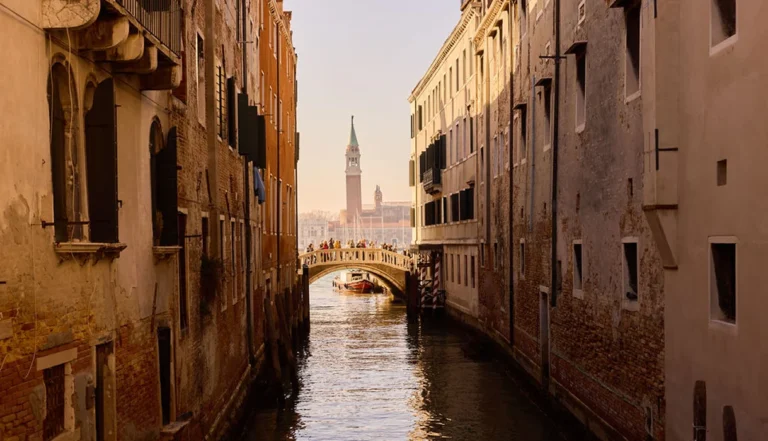
To engage in slow luxury travel within Europe’s historic centers is to enter into a silent dialogue with the past. Cities like Florence, Vienna, and Paris offer more than just aesthetic pleasure; they serve as repositories of Western civilization’s collective memory. The informed traveler seeks an immersive experience where the boundary between the museum and the dwelling is blurred. This is often achieved through a curated selection of accommodations that occupy heritage buildings—palazzos and townhouses where the original architectural integrity has been meticulously preserved. For instance, an authentic luxury stay in Venice at a property like those managed by VRetreats allows the guest to experience the city’s unique aquatic topography and Byzantine-influenced architecture from a vantage point of historical continuity rather than mere observation. Such environments foster a sense of belonging to a timeline that extends far beyond the ephemeral nature of a modern holiday.
The Epicurean Value of Localism
A fundamental pillar of slow luxury is the rejection of standardized global consumption in favor of hyper-localism. This is most evident in the realm of gastronomy and craftsmanship. The educated traveler eschews the ubiquity of international chains to seek out artisanal workshops and kitchens that prioritize provenance and tradition. Whether it is the bespoke tailoring of London’s Savile Row or the centuries-old glassblowing techniques of Murano, the value lies in the human effort and the transmission of generational knowledge. In this context, luxury is defined by the rarity of the skill and the narrative behind the object. Dining becomes an exercise in patience, emphasizing seasonal ingredients sourced from regional terroirs, paired with vintages that reflect the specific geology of the land.
Intellectual Stewardship and Curated Exploration
True sophistication in travel is marked by the pursuit of knowledge rather than the mere collection of photographs. Slow travel encourages the use of private scholars, historians, and local experts who can decode the complex iconography of a cathedral or the political subtext of a Renaissance fresco. This curated exploration transforms a walk through a medieval quarter into a profound lesson in urban evolution. It requires a rejection of the superficial, opting instead for singular, high-impact experiences—such as private access to a closed gallery or a twilight tour of a library—that offer a quietude unattainable during peak hours. This methodical pace ensures that the traveler remains a steward of the culture they are visiting, minimizing the environmental and social footprint while maximizing intellectual gain.
The Restoration of the Self
Ultimately, the art of slow luxury travel serves as a mechanism for personal restoration. By decoupling from the digital demands of the modern world and immersing oneself in the enduring beauty of European heritage, the traveler finds a rare opportunity for introspection. The silence of a cloistered courtyard or the steady flow of a historic river provides a backdrop for a recalibration of perspective. This refined mode of movement acknowledges that the most profound journeys are not measured in kilometers, but in the depth of the impressions left upon the mind. It is a testament to the idea that elegance is found in the deliberate, and that the most enduring memories are those cultivated in the stillness of a historic landscape
