



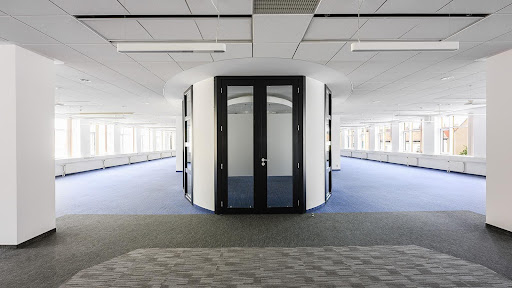
Workspaces are no longer just operational necessities, they are strategic tools that reflect how companies think about sustainability, employee wellbeing, and long-term growth. As environmental, social, and governance (ESG) considerations become increasingly central to business decisions, the office itself is being redefined. The rise of the customizable office is a direct response to this shift, offering organisations the flexibility to align their physical environment with broader corporate values.
Where flexibility meets responsibility
In Budapest, buildings such as the West End Business Center illustrate how a customizable office can support ESG objectives without compromising on functionality. By combining adaptable layouts with sustainable building operations, such developments highlight the growing connection between workplace design and responsible business practices.
A customizable office allows companies to rethink how space is used. Instead of static layouts that may become inefficient over time, businesses can create environments that reflect actual working patterns. This is particularly relevant in hybrid work models, where occupancy fluctuates and flexibility is essential.
Environmental impact: smarter use of resources
From an environmental perspective, the benefits of a customizable office are significant. Efficient space planning reduces unnecessary energy consumption, as heating, cooling, and lighting can be concentrated where they are truly needed. This approach helps lower operational costs while also contributing to reduced carbon emissions.
Modern office buildings increasingly integrate energy-efficient technologies, such as advanced climate control systems and intelligent building management solutions. When combined with flexible office layouts, these features create a powerful synergy: companies can actively reduce their environmental footprint simply by optimising how their workspace is configured and used.
Additionally, sustainable commuting options, such as bicycle facilities or electric vehicle infrastructure, further enhance the environmental profile of a customizable office. These features encourage employees to adopt greener habits, reinforcing sustainability beyond the office walls.
Social value: supporting people and performance
The ‘social’ component of ESG focuses on people, and this is where the customizable office truly excels. A well-designed workspace can have a direct impact on employee wellbeing, engagement, and productivity.
Customizable environments allow businesses to tailor their offices to the needs of their teams. Quiet zones for focused work, collaborative areas for group projects, and comfortable communal spaces all contribute to a balanced and supportive workplace. Access to natural light, thoughtful design, and ergonomic solutions further enhance the employee experience.
These factors are not just about comfort, though. They influence retention, job satisfaction, and overall performance. In a competitive talent market, the ability to offer a workspace that adapts to employees’ needs can be a meaningful advantage.
Governance and transparency in modern workspaces
Governance, the third pillar of ESG, is also increasingly tied to the workplace. Companies are expected to operate transparently, manage resources responsibly, and demonstrate accountability in their operations.
A customizable office within a modern building supports these goals through improved data and control. Smart systems enable organisations to monitor energy usage, optimise space allocation, and make informed decisions about resource management. This level of insight is essential for accurate ESG reporting and long-term planning.
Flexible office solutions also support organisational agility. As companies grow or restructure, they can adjust their workspace without disruption, maintaining operational continuity while adhering to governance standards.
A long-term perspective on office strategy
The integration of ESG principles into office design is not a short-term trend – it reflects a broader transformation in how businesses operate. A customizable office provides the foundation for this shift, offering the flexibility needed to adapt while supporting sustainability and employee wellbeing.
By aligning workspace design with ESG goals, companies can create environments that are not only efficient but also future-proof. Offices become more than just places to work: they become active contributors to corporate responsibility and long-term success.
As the expectations placed on businesses continue to evolve, the demand for adaptable, sustainable office solutions will only grow. The customizable office stands at the centre of this transformation, bridging the gap between operational efficiency and responsible innovation.
