



Introduction and Market Relevance
Across Canadian residential areas, power outages from ice storms, high winds, and grid failures are common. Homeowners need reliable backup power for refrigerators, sump pumps, and medical devices. A portable inverter generator provides clean, stable electricity for sensitive electronics while operating quietly enough for neighborhood use. Canadian homeowners use these generators for emergency backup, camping, and outdoor events where grid power is unavailable.
Unlike conventional generators that produce power with high harmonic distortion, inverter generators convert raw generator output to clean alternating current suitable for computers, televisions, and variable-speed appliances.
Common Applications and Power Requirements
Portable inverter generators are commonly used for:
- Home backup power during outages
- Recreational vehicle power for camping
- Job site power for contractors
- Tailgate and outdoor event electricity
- Remote cabin or workshop power
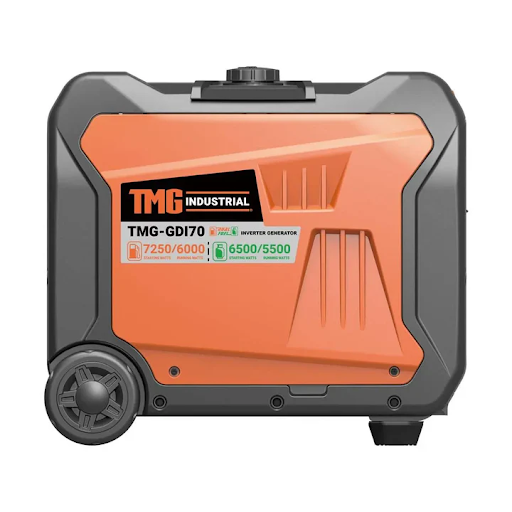
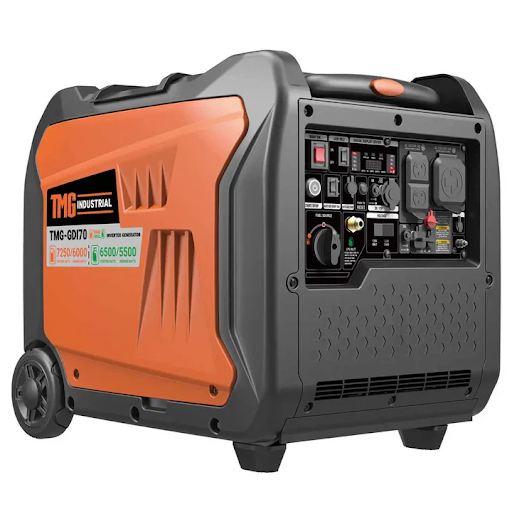
The 7250 watt starting capacity handles essential home circuits including refrigerators, freezers, sump pumps, and furnace fans. The inverter technology adjusts engine speed to match electrical load, reducing fuel consumption and noise compared to conventional generators that run at constant speed.
Dual Fuel Capability and Fuel Flexibility
Dual fuel operation allows the generator to run on gasoline or liquid propane gas. Propane offers several advantages for home backup. It stores indefinitely without degradation, unlike gasoline that degrades within months. Propane does not gum up carburetors during storage, reducing maintenance. Propane also burns cleaner, producing fewer emissions and extending engine life.
Key factors affecting generator performance:
- Fuel type and storage condition
- Ambient temperature during starting
- Load characteristics of connected devices
- Altitude affecting engine power
Clean Power and Safe Operation
Inverter technology produces power with less than 3 percent total harmonic distortion. This clean sine wave matches utility power quality, safe for sensitive electronics. Conventional generators often produce distortion levels above 20 percent, which can damage computers and smart appliances.
Safe generator operation requires several key practices:
- Operate only outdoors away from windows
- Allow engine to cool before refueling
- Use heavy-duty extension cords rated for load
- Store fuel in approved containers
- Test generator monthly under load
Carbon monoxide from generator exhaust is odorless and fatal. Never operate a generator inside a home, garage, or basement, even with open windows.
Advantages and Limitations
Advantages of an inverter generator include:
- Clean power for sensitive electronics
- Dual fuel capability for fuel flexibility
- Variable engine speed for fuel efficiency
- Quieter operation than conventional generators
- Parallel capability for increased power
Limitations to consider:
- Higher initial cost than conventional generators
- Requires regular maintenance
- Fuel storage considerations
- Not for whole-house backup without transfer switch
Real-World Application Example
A Canadian homeowner in Ontario experienced a 3 day power outage after an ice storm. The refrigerator and freezer contents spoiled. The sump pump stopped, causing basement flooding. After the outage, the homeowner purchased a dual fuel inverter generator. During the next winter storm, the generator powered the refrigerator, freezer, sump pump, and furnace fan. The family stayed comfortable, and no food was lost. The propane tank provided 12 hours of run time without refueling.
Conclusion and Future Outlook
TMG Industrial Portable inverter generators provide Canadian homeowners with clean, quiet backup power for essential appliances during outages. The combination of inverter technology and dual fuel capability makes these generators more versatile than conventional models. As extreme weather events become more frequent, demand for reliable home backup power will likely increase. Future designs may include remote start and monitoring via smartphone apps, and larger fuel tanks for extended run times.
Homeowners should evaluate inverter generators for any residence where power outages would cause food spoilage, flooding, or health risks. The 7250 watt capacity and dual fuel operation make this generator suitable for diverse Canadian home backup applications.
