




A year ago I bought two kilts on the same day. Same online order, similar price points, completely different categories. One was a heavy-duty utility kilt, designed for rugged daily wear. The other was a rock kilt — a darker, edgier alternative kilt designed for concerts, alternative venues, and statement wear.
The plan was simple: alternate them through 12 months of real life and see which one held up better. Not just structurally, but functionally — which one earned its place in regular rotation, which one stayed in the closet, and which one became the go-to choice for unplanned occasions.
The results surprised me. They’re not what the marketing materials would lead you to expect, and they should change how anyone shopping for a modern alternative kilt approaches the choice.
Here’s the full year-long comparison.
What Each Kilt Actually Is
Before the test, the basic distinction:
Utilikilts
Utilikilts are a specific brand-derived category — heavy-duty work-style kilts with practical features prioritized.
- Thick canvas, denim, or technical fabric
- Multiple cargo and utility pockets
- Reinforced stress points
- Side buckles or grommets for adjustment
- Solid utility colors (black, khaki, olive, brown)
- Construction designed for hard daily use
Rock kilts
Rock kilts are a looser category but generally include:
- Heavier fabric weight, sometimes with leather panels
- Darker color palette (predominantly black)
- Hardware accents — D-rings, chains, studs
- Sometimes built-in straps or harness elements
- Aesthetic prioritization over pure utility
- Construction designed for visual impact
The kilts I tested:
- Utilikilt: Heavy duck canvas in black, two side cargo pockets, two back pockets, reinforced waistband, side buckle adjustment system. Around $145.
- Rock kilt: Black canvas with leather trim panels, single utility pocket on the right thigh, two D-rings on each side, simple front belt closure. Around $130.
Different priorities. Same general kilt silhouette. Different intended use cases.
Months 1–3: Initial Impressions
The first three months produced clear early differences.
The utilikilt felt purposeful from day one. Substantial fabric. Real pockets that held things. Side buckle system that adjusted easily. Comfortable for daily wear within the first week — no break-in period, no learning curve.
The rock kilt felt like a costume initially. The leather trim, hardware, and overall aesthetic communicated “concert clothing” rather than “everyday clothing.” Wearing it to mundane errands during the first month felt slightly performative.
Within the first month, I’d worn the utilikilt about 25 times — in the workshop, running errands, casual dinners, even one outdoor festival. The rock kilt got worn 4 times — twice to concerts, once to a friend’s birthday, once at home to test the fit.
Early lead: utilikilt by a wide margin.
Months 4–6: The Real-World Tests Show Up
By the spring quarter, both kilts had encountered real conditions.
Rain test (utilikilt): Heavy canvas held up well to a rainstorm. The fabric repelled light rain entirely and only soaked through after sustained heavy weather. Air-dried in a few hours. No damage.
Rain test (rock kilt): The canvas portion handled rain similarly. The leather trim panels, however, started showing water staining and required immediate conditioning to prevent damage. After the second rainstorm, the leather had developed permanent water marks that aged the kilt considerably.
Active use test (utilikilt): Long hike with friends. Range of motion excellent. Cargo pockets carried snacks, phone, water. Came back dirty but undamaged. Machine-washed and back in rotation quickly.
Active use test (rock kilt): Outdoor concert. D-rings caught on fabric multiple times. One near-snag incident. Visually praised but mechanically problematic.
Months 4–6 verdict: Utilikilt continues dominating practical use. Rock kilt reveals aesthetic-first design limitations.
Months 7–9: Where the Rock Kilt Started Winning
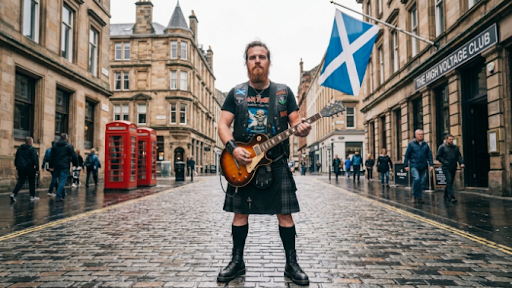
Around month 7, usage shifted toward evening events — concerts, alternative venues, late dinners.
This is where the rock kilt revealed its strength.
At concerts and bars, the rock kilt looked exactly right. The leather trim, dark palette, and hardware accents fit the environment. The utilikilt looked like work clothes.
At late-night dinners, the rock kilt elevated the outfit into intentional alternative style.
At themed events, it transitioned naturally into gothic/steampunk/alternative aesthetics.
Months 7–9 verdict: Rock kilt earns venue-specific role. Different category, not direct competitor.
Months 10–12: The Durability Truth Emerges
Final quarter revealed long-term durability differences.
Utilikilt (Month 12)
- Minor fading from washing
- Small wear at cargo pocket edges
- Buckles still perfect
- Fabric still strong
- ~200 wears total
- Estimated life: 3–5+ more years
Rock kilt (Month 12)
- Leather trim water-stained
- D-rings tarnished
- Minor seam wear at leather joins
- Fabric intact elsewhere
- ~35 wears total
- Estimated life: 1–2 more years
The utility kilt proved built for continuous use. The rock kilt proved built for selective impact wear.
Cost-Per-Wear Math
- Utilikilt: $145 ÷ 200 = $0.73 per wear
- Rock kilt: $130 ÷ 35 = $3.71 per wear
The utilikilt is cheaper per wear because it gets used more. The rock kilt is a specialty item, not a daily driver.
Who Should Buy Which
Buy a utilikilt if:
- You want daily practical wear
- You do physical or outdoor work
- You want maximum versatility
- You want low maintenance
- You’ll wear it 100+ times/year
Buy a rock kilt if:
- You attend concerts/alternative venues
- You want a statement piece
- Your style is already alternative
- You’ll wear it 20–40 times/year
Buy both if:
- You live between practical + alternative worlds
- You can justify two-use-case wardrobe
- You want full coverage
What I Wish I’d Known Before the Test
- Aesthetic durability matters as much as structural durability
- Rock kilts are not utility kilts with decoration
- Excitement at purchase doesn’t predict real usage
The Year-End Wardrobe Recommendation
- First: utilikilt (daily foundation)
- Second: wool tartan kilt (formal wear)
- Third: rock kilt (venue-specific use)
- Fourth: sport kilt (athletic use)
Frequently Asked Questions
Is Utilikilt a brand or category?
It started as a brand and helped define the category.
Are rock kilts real kilts?
Yes, but modern alternative fashion — not heritage wear.
Can rock kilts be washed normally?
No, leather requires careful maintenance.
Do utilikilts work in hot weather?
Better than jeans, worse than shorts.
Can rock kilts be daily wear?
Possible, but not practical long-term.
A year of testing made it clear: utilikilts dominate daily function, rock kilts dominate style moments. They are not competitors — they are tools for different parts of life.
