



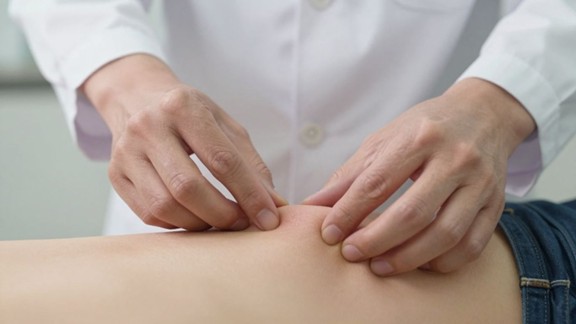
The Power of a Physical Examination
When it comes to figuring out if you have an inguinal hernia, a good old-fashioned physical exam often does the trick. A specialist can usually tell by talking to you about your symptoms and then having a look and feel of the groin area. This hands-on approach is surprisingly effective, with many doctors able to make an accurate diagnosis this way. It’s about using their trained eyes and hands to spot the signs.
This direct method can save time and reduce the need for more complex tests. It’s a straightforward way to get to the bottom of what’s going on. The specialist’s experience plays a big role here, allowing them to interpret what they find and confirm an inguinal hernia diagnosis with confidence.
When Imaging Becomes Necessary
Sometimes, even with a thorough physical exam, things aren’t perfectly clear. In these situations, imaging tests can be helpful. If the doctor can’t quite pinpoint the issue or if there are unusual symptoms, they might suggest further investigation. This is where technology steps in to provide a clearer picture.
Tests like a CT scan can offer detailed views that a physical exam alone might miss. They help differentiate between different tissues and confirm the presence and type of hernia. This is particularly useful in more complex cases where the diagnosis isn’t immediately obvious. It’s about getting all the information needed for the best treatment plan.
Why Ultrasounds May Not Be Ideal for Hernias
While ultrasounds are common for many medical checks, they can sometimes be a bit tricky for diagnosing hernias. They don’t always give the clearest picture, and occasionally, they might even miss a hernia or mistake something else for one. This can lead to confusion or unnecessary worry.
Because of these potential issues, many specialists prefer to rely on their physical exam skills first. If an ultrasound isn’t definitive, it might lead to more questions than answers. It’s important to know that while ultrasounds have their place, they aren’t always the best first step for an inguinal hernia.
When to Consider Seeing an Inguinal Hernia Specialist
Recognizing the Signs and Symptoms
An inguinal hernia often shows up as a bulge in the groin area. This bulge might get bigger when you cough, sneeze, or stand up for a long time. You might also feel a dull ache or a burning sensation. Sometimes, the discomfort can become more noticeable when you lift heavy things or strain. It’s important to pay attention to these signals.
Don’t ignore a bulge or persistent discomfort in your groin. While some hernias might not cause immediate pain, they don’t fix themselves. A specialist can properly assess if what you’re feeling is indeed an inguinal hernia and discuss the next steps. Early recognition is key to managing the condition effectively.
The Importance of Early Consultation
Seeing a specialist early can make a big difference. They have the experience to accurately diagnose an inguinal hernia, often just by talking with you and doing a physical exam. This means you can get a clear picture of your situation without unnecessary delays or tests. An early consultation helps in planning the best course of action.
Waiting too long can allow a hernia to grow larger, potentially making surgery more complex and recovery longer. It also increases the risk of complications.
When a Small Hernia Requires Attention
Even if your hernia is small and doesn’t cause much pain, it’s still worth discussing with a specialist. Small hernias can still grow over time as the abdominal wall weakens. A specialist can help you understand the risks associated with a small inguinal hernia and whether observation or surgical repair is the better choice for your specific situation. They can guide you on the best approach for your inguinal hernia.
- Visible bulge in the groin or scrotum.
- Aching or discomfort, especially with activity.
- Feeling of heaviness or pressure in the groin.
- Increased bulge size when coughing or straining.
Surgical Options for Inguinal Hernia Repair
Open Hernia Repair Surgery
This is the traditional method for fixing an inguinal hernia. A surgeon makes a cut, or incision, right in the groin area. Through this opening, they can access the hernia and push the bulging tissue back into place. Often, a patch or mesh is used to reinforce the weakened muscle wall. This approach has been around for a long time and is known for being safe and effective.
Recovery time can vary, but patients usually need a few weeks before they can get back to lifting heavy things or strenuous activities. It’s a straightforward procedure, and many people opt for it because of its proven track record in repairing inguinal hernias.
Laparoscopic Hernia Repair
Laparoscopic surgery offers a less invasive alternative. Instead of one larger cut, the surgeon makes several small incisions. A tiny camera, called a laparoscope, is inserted through one of these openings, allowing the surgeon to see inside the abdomen on a monitor. Surgical tools are then guided through the other small incisions to perform the repair.
This method often leads to a quicker recovery period compared to open surgery. Patients might experience less pain and scarring. It’s a good option for certain types of hernias and can be particularly beneficial for those who prefer a minimally invasive approach to their inguinal hernia repair.
The Role of Synthetic Mesh in Repair
Synthetic mesh is frequently used in both open and laparoscopic hernia repairs. Think of it like a patch that strengthens the weakened abdominal wall where the hernia occurred. This mesh helps reduce the chances of the hernia coming back, which is known as recurrence. It can also help lessen discomfort after the surgery.
Using mesh has become quite common because it provides a durable reinforcement. While it’s a very effective tool in hernia repair, it’s important to discuss with your doctor if mesh is the right choice for your specific situation. The goal is always a successful repair of the inguinal hernia.
Deciding Between Surgery and Observation
Factors Influencing the Wait-and-See Approach
When it comes to an inguinal hernia, the decision to have surgery right away or to wait and see isn’t always straightforward. For some, a small hernia that doesn’t cause pain or interfere with daily life might be a good candidate for observation. This approach means you and your doctor will keep an eye on it, checking for any changes or worsening symptoms. It’s a common choice when the hernia is barely noticeable and doesn’t impact your ability to work or enjoy your hobbies.
Several things might push someone towards this wait-and-see path. Maybe the hernia is very small, or perhaps the symptoms are minimal and don’t really bother them. Sometimes, personal circumstances play a role; maybe it’s just not a good time for surgery due to work, family commitments, or other health issues. It’s important to remember that an inguinal hernia won’t fix itself. It requires surgery eventually, but delaying it is an option for many.
The key is a thorough discussion with your doctor. They can help assess the size and characteristics of your hernia, discuss your personal health and lifestyle, and guide you on what to watch for. This shared decision-making process helps ensure you feel comfortable with whatever path you choose, whether it’s immediate repair or a period of observation for your inguinal hernia.
Risks Associated with Delaying Inguinal Hernia Surgery
While waiting to have surgery for an inguinal hernia might seem like the easier option, there are definite risks involved. The main concern is strangulation. This is a serious complication where the tissue that has pushed through the weak spot in your abdominal wall gets trapped. When this happens, the blood supply to that tissue can be cut off, which is a medical emergency requiring immediate surgery. It’s a rare event, but its severity makes it a significant reason many doctors recommend prompt repair.
Beyond strangulation, delaying surgery can lead to other issues. The hernia might simply get larger over time, making the bulge more noticeable and potentially more uncomfortable. It could also start to cause more pain or interfere more significantly with daily activities, like lifting or even walking. What might be a minor inconvenience now could become a more pressing problem later on.
It’s crucial to understand that an inguinal hernia will not heal on its own. While observation is a valid strategy for some, it’s not a permanent solution. The hernia will likely persist and may worsen, increasing the chances of complications down the line. Regular check-ups are vital if you choose the wait-and-see approach.
When Immediate Surgery is Recommended
There are specific situations where a doctor will strongly advise against delaying surgery for an inguinal hernia. If the hernia is causing significant pain, is very large, or is preventing you from performing normal daily activities, immediate repair is usually the best course of action. These symptoms suggest the hernia is already causing a considerable impact on your quality of life.
Another critical indicator for immediate surgery is any sign of strangulation or incarceration. If the bulge becomes firm, tender, cannot be pushed back in, or is accompanied by nausea, vomiting, or fever, these are red flags. These symptoms point to a potentially dangerous situation where the hernia is compromised and needs urgent attention to prevent further harm.
Finally, certain patient factors might also sway the decision towards immediate surgery. For instance, individuals with weakened immune systems or other significant health conditions might be advised to address the hernia sooner rather than later to minimize risks associated with potential future complications or more complex surgeries. The goal is always to address the inguinal hernia when it poses the least risk and offers the best outcome.
Potential Risks and Complications of Inguinal Hernia Surgery
Understanding Surgical Risks
Even with successful surgery, there are always some risks involved. These can include reactions to anesthesia, bleeding, or infection at the surgical site. Sometimes, nerves can be affected, leading to numbness or discomfort in the groin area. It’s important to discuss these possibilities with your surgeon before the procedure.
The Possibility of Hernia Recurrence
While surgeons aim for a permanent fix, there’s a chance the hernia could come back. This is known as recurrence. Factors like the type of repair, the patient’s activity level, and even how the body heals can play a role. Some studies show recurrence rates can be as high as 30% in certain cases, though experienced surgeons often have much lower rates. This is why follow-up appointments are important.
Impact on Fertility and Reproductive Health
In rare instances, surgery for an inguinal hernia can affect reproductive health. There’s a small risk of damage to the vas deferens, the tube that carries sperm. This could potentially impact fertility. Surgeons take great care to avoid this, but it’s a risk worth being aware of, especially for younger men. Discussing your concerns about fertility with your specialist is a good idea.
Preparing for Your Specialist Appointment
What to Discuss With Your Doctor
Before you even step into the specialist’s office, take a moment to jot down your thoughts. What exactly are you feeling? When did it start? Does anything make the discomfort worse or better? Being prepared to talk about your symptoms is key. The more information you can provide about your personal experience with the inguinal hernia, the better the specialist can understand your situation. Think about your daily activities and how the hernia might be impacting them. This conversation is the first step in getting a clear picture of your inguinal hernia.
Questions to Ask About Your Inguinal Hernia
Don’t be shy about asking questions. It’s your health, and you deserve to know what’s going on. Some good starting points include asking about the specific type of hernia you have, what the risks are if you don’t have surgery, and what the different treatment options entail. You might also want to ask about the success rates for the procedures they recommend. Remember, this is your chance to get all the facts straight.
Gathering Information for Informed Decisions
To make the best choices about your inguinal hernia, it helps to have a clear understanding of your options. Consider bringing a list of any medications you’re currently taking, as well as any past surgeries or medical conditions. This background information can be really helpful for the specialist.
Here are some things to think about before your appointment:
- Your symptom history: When did it start? What makes it worse?
- Impact on daily life: Does it affect work, exercise, or other activities?
- Previous treatments: Have you tried anything already?
- Family history: Are there other cases of hernias in your family?
Being prepared helps turn a potentially stressful appointment into a productive one. It allows you to actively participate in your care and feel more confident about the path forward.
Wrapping Things Up
So, you’ve learned a bit about what to expect when you see a specialist for an inguinal hernia. Remember, a good doctor will likely start by talking with you and doing a physical check. Imaging like ultrasounds or CT scans might be used, but often, the physical exam is the main tool. Don’t hesitate to ask questions about your diagnosis, the treatment options, and what recovery looks like. Being informed helps you and your doctor work together to get you feeling better and back to your usual activities.
