



Introduction
A well-built roof is one of the most important structural elements of any building, protecting it from weather, temperature changes, moisture, and external damage. Over time, even the strongest roofing systems begin to deteriorate due to constant exposure to environmental stress. When repairs are no longer sufficient, a full upgrade becomes necessary, and this is where roof replacement plays a crucial role in restoring safety, efficiency, and durability to a structure.
Understanding how roofing systems age, what materials are available, and what the replacement process involves can help property owners make informed decisions. A properly executed project not only improves structural integrity but also enhances energy efficiency and long-term value.
Understanding Roofing Systems and Their Lifespan
Roofing systems are composed of multiple layers that work together to provide protection. These typically include the outer covering, underlayment, insulation, and structural support. Each component has a specific role, and failure in any layer can compromise the entire system.
The lifespan of a roof depends on the materials used, installation quality, climate conditions, and maintenance practices. Asphalt shingles may last 15–30 years, metal roofs can last 40–70 years, and tile or slate roofs may exceed 100 years with proper care. However, environmental factors such as heavy rainfall, extreme heat, or strong winds can significantly reduce longevity.Regular inspections help identify early signs of damage, but when deterioration becomes widespread, patchwork repairs may no longer be effective. At this stage, a complete overhaul becomes the most practical and cost-efficient solution.
Signs That Indicate a Roofing System Needs Attention
Identifying the right time for intervention is essential to avoid structural damage and expensive repairs. Common indicators include persistent leaks, missing or broken shingles, sagging roof sections, and visible water stains on interior ceilings.
Another warning sign is increased energy bills, which may suggest poor insulation or ventilation issues caused by roof deterioration. Mold growth in the attic or walls can also signal trapped moisture due to roofing failure.In many cases, homeowners attempt repeated repairs before realizing that a more comprehensive solution is required. This is where roof replacement becomes the most reliable option to restore full functionality and prevent further damage to the property.
Materials Used in Modern Roofing Systems
Modern roofing technology offers a wide range of materials designed to meet different needs, budgets, and environmental conditions. Asphalt shingles remain the most commonly used option due to their affordability and ease of installation. Metal roofing is gaining popularity for its durability, energy efficiency, and resistance to extreme weather.Clay and concrete tiles provide a traditional aesthetic combined with long-lasting performance, while slate roofing is known for its premium quality and exceptional lifespan. Synthetic materials are also becoming more common, offering lightweight alternatives with improved resistance to impact and weathering.Each material has its advantages and limitations, and selecting the right one depends on structural requirements, climate conditions, and budget considerations. Proper selection ensures better performance and reduces maintenance costs over time.
The Step-by-Step Roofing Process
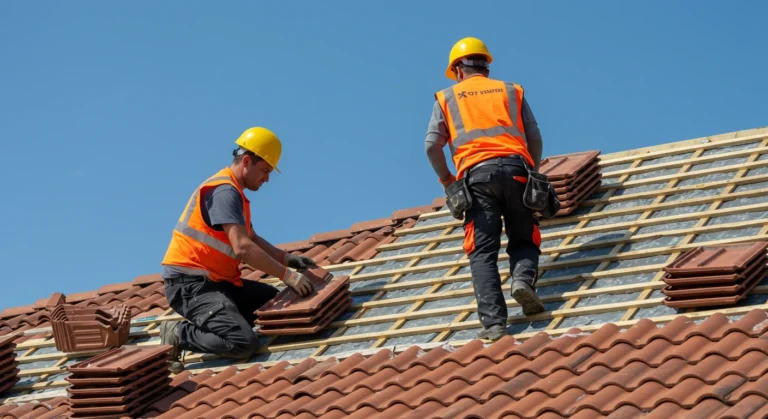
Replacing a roof involves a series of carefully planned steps to ensure safety, efficiency, and durability. The process begins with a detailed inspection to assess the condition of the existing structure. This helps determine whether a complete overhaul is necessary or if partial repairs can still be effective.Once the decision is made, the old roofing material is removed to expose the underlying structure. This stage allows contractors to inspect the decking for any signs of rot, mold, or structural weakness. Any damaged sections are repaired or replaced before proceeding further.Next, a protective underlayment is installed to provide an additional barrier against moisture. After this, the new roofing material is carefully applied, ensuring proper alignment, sealing, and fastening. Finally, finishing touches such as flashing, ventilation systems, and edge protection are added to complete the installation.Proper execution of each step is essential for long-term performance. Poor installation can lead to leaks, reduced lifespan, and increased maintenance costs.
Benefits of Upgrading an Aging Roof
One of the most significant advantages of upgrading an aging roof is improved protection against environmental elements. A new system provides better resistance to leaks, wind damage, and temperature fluctuations, ensuring the safety of the entire structure.Energy efficiency is another major benefit. Modern roofing materials are designed to reflect heat and improve insulation, reducing energy consumption and lowering utility bills. This makes buildings more environmentally friendly and cost-effective in the long run.Aesthetic improvement is also an important factor. A newly installed roof enhances the overall appearance of a property, increasing its market value and curb appeal. For homeowners considering resale, this can be a significant advantage.Additionally, modern roofing systems require less maintenance compared to older structures, reducing long-term repair costs and providing peace of mind.
Common Challenges During Roof Upgrades
Despite its benefits, the process can present several challenges. Weather conditions often play a major role in scheduling and execution, as rain or extreme temperatures can delay installation. Structural issues discovered during inspection may also increase costs and extend timelines.Another challenge is selecting the right contractor. Poor workmanship can lead to long-term problems, making it essential to choose experienced professionals with a proven track record.Budget management is also critical. While it may be tempting to opt for cheaper materials or shortcuts, investing in quality ensures better durability and fewer issues in the future.
Maintenance After Installation
Once a new roofing system is in place, proper maintenance is essential to maximize its lifespan. Regular inspections should be conducted to identify any early signs of damage or wear. Cleaning gutters, removing debris, and checking for loose materials help prevent water buildup and structural issues.
Homeowners should also monitor attic conditions, as proper ventilation plays a key role in maintaining roof health. Addressing minor issues promptly can prevent them from escalating into major repairs.In some cases, professional maintenance services may be required to ensure optimal performance. Scheduled check-ups can help extend durability and maintain efficiency.
Long-Term Value and Investment Perspective
Investing in a new roofing system is not just about immediate protection; it also provides long-term financial benefits. A well-installed roof increases property value, reduces maintenance expenses, and improves energy efficiency.Over time, the savings on repairs and energy bills can offset the initial investment, making it a financially sound decision. Additionally, improved structural integrity reduces the risk of damage to other parts of the building, such as walls, insulation, and interiors.From an investment perspective, property buyers often prioritize homes with updated roofing systems, making it a key factor in real estate value.
Modern roofing solutions are increasingly designed with sustainability in mind. Many materials are recyclable, and energy-efficient designs help reduce overall environmental impact. Reflective coatings and insulation improvements contribute to lower energy consumption, which benefits both homeowners and the environment.Responsible disposal of old materials during roof replacement also plays a role in minimizing waste. Contractors often follow recycling practices to ensure environmental compliance.
Final Thoughts
A strong and reliable roof is essential for protecting any structure, and knowing when to invest in improvements is key to maintaining long-term safety and value. Careful planning, material selection, and professional installation all contribute to the success of the project.
Ultimately, roof replacement is more than just a construction task; it is a long-term investment in durability, comfort, and efficiency. By understanding the process and making informed decisions, property owners can ensure their buildings remain secure and functional for many years to come.Whether dealing with aging materials, structural issues, or energy inefficiencies, taking timely action ensures better outcomes and prevents costly future damage.
