



Introduction
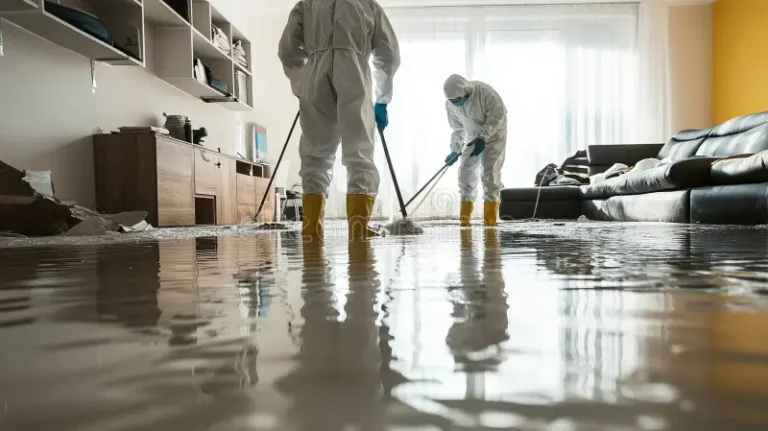
Flooding is one of the most destructive natural events that can affect homes, businesses, and entire communities within a very short time. Whether caused by heavy rainfall, river overflow, burst pipes, or drainage failure, floodwater can quickly compromise structural integrity, damage personal belongings, and create serious health hazards. The recovery process requires careful planning, safety awareness, and a systematic approach to restore affected spaces.
Understanding how water impacts different materials and environments is essential for effective recovery. Proper handling of flood damage cleanup use is critical because it ensures that contaminated water, moisture, and hidden structural issues are addressed before they lead to long-term deterioration or mold growth.
Understanding the Impact of Flooding
Floodwater is not just plain water; it often contains mud, bacteria, sewage, chemicals, and debris. When it enters a building, it spreads rapidly through floors, walls, furniture, and electrical systems. Even after visible water is removed, moisture can remain trapped inside materials, creating conditions for mold and mildew.
Different materials react differently to water exposure. Wood can swell and warp, drywall can weaken and crumble, and carpets can retain moisture for long periods. Electrical systems may short-circuit or become hazardous if exposed to water. Because of these risks, flood damage is considered both a structural and health-related emergency.
Immediate Steps After Flooding
The first few hours after flooding are extremely important. Safety should always be the top priority before entering any affected area. Electrical power should be shut off to prevent electrocution risks, and gas supplies should be checked for potential leaks.Once the area is safe, the removal of standing water should begin as quickly as possible. Pumps, wet vacuums, and drainage systems are commonly used for this purpose. The faster water is removed, the lower the chances of long-term structural damage.It is also important to document the damage through photographs and notes, especially for insurance claims. This helps ensure proper compensation and facilitates the restoration process.
Structural Assessment and Inspection
After water removal, a detailed inspection is necessary to evaluate the extent of the damage. This includes checking walls, flooring, ceilings, insulation, and foundation elements.Professionals often use moisture meters and thermal imaging tools to detect hidden dampness inside structures.In many cases, materials such as drywall and insulation may need to be removed if they are saturated beyond recovery. Wooden structures are carefully evaluated for warping, rot, or weakening. Electrical systems are also inspected to ensure they are safe for use.This stage is crucial because hidden moisture can lead to long-term issues such as mold growth, odor problems, and structural weakening if not properly addressed.
Cleaning and Sanitization Process
Once the structure has been assessed, thorough cleaning begins. Floodwater often leaves behind contaminants, so sanitization is essential to restore a safe living environment.Surfaces are cleaned using disinfectants designed to eliminate bacteria and pathogens. Floors, walls, and furniture are carefully scrubbed and treated. In cases where contamination is severe, certain items may need to be discarded.Air circulation is also improved using fans and dehumidifiers to help dry out the environment. This process helps prevent mold formation and speeds up the overall drying process.The importance of flood damage cleanup use becomes especially evident here, as proper techniques and cleaning methods ensure that contaminated environments are fully restored to safe conditions.
Drying and Dehumidification
Drying is one of the most critical stages of flood recovery. Even after visible water is removed, moisture can remain trapped inside walls, floors, and furniture. If not addressed properly, this hidden moisture can lead to mold growth within 24 to 48 hours.Industrial-grade dehumidifiers are used to extract moisture from the air and materials. High-powered fans are also placed strategically to improve airflow and speed up evaporation. In some cases, heating systems are used to assist the drying process.Continuous monitoring is required to ensure that moisture levels return to safe limits before reconstruction begins.
Mold Prevention and Remediation
Mold is one of the most serious consequences of flooding. It can begin growing quickly in damp environments and poses health risks such as allergies, respiratory issues, and skin irritation.Preventing mold starts with thorough drying and proper ventilation. Any materials that cannot be fully dried are removed to prevent contamination. Antimicrobial treatments are applied to affected surfaces to inhibit mold growth.If mold has already developed, specialized remediation techniques are required. This may include sealing off affected areas, removing contaminated materials, and using air filtration systems to eliminate spores.Proper handling of flood damage cleanup use ensures that mold risks are minimized through effective cleaning, drying, and treatment procedures.
Restoration and Repair Work
Once the area is clean and dry, the restoration phase begins. This involves repairing or replacing damaged structural elements such as flooring, drywall, insulation, and cabinetry.Electrical systems, plumbing, and HVAC systems are also checked and restored to ensure full functionality. In severe cases, reconstruction may be necessary to rebuild parts of the property that were heavily damaged.The goal of this phase is to return the property to its original condition or even improve its resilience against future flooding events.
Common Challenges in Flood Recovery
Flood recovery is often a complex and time-consuming process. One of the biggest challenges is dealing with hidden moisture that is not immediately visible. Without proper detection, this can lead to long-term damage even after repairs are completed.Another challenge is contamination. Floodwater often carries harmful substances that require careful handling and disposal. In addition, emotional stress can be significant for property owners dealing with loss and disruption.Time constraints also play a role, as delayed action increases the risk of mold growth and structural deterioration. Coordinating multiple stages of cleanup and repair requires careful planning and execution.
Health and Safety Considerations
Safety is a critical concern during flood recovery. Contaminated water can carry bacteria, viruses, and chemicals that pose serious health risks. Protective gear such as gloves, masks, and boots should always be used when handling flood-affected materials.Electrical hazards are another major concern, as water can damage wiring and appliances. Structural instability may also be present, especially in buildings exposed to prolonged flooding.Proper ventilation and air quality control are essential to reduce exposure to harmful particles and improve indoor conditions during the recovery process.
While it is not always possible to prevent flooding, several measures can reduce its impact. Installing proper drainage systems helps redirect water away from buildings. Waterproof barriers and sealants can also protect vulnerable areas.Elevating electrical systems and important equipment above ground level reduces the risk of damage. Regular maintenance of gutters, pipes, and drainage systems ensures that water flows efficiently during heavy rainfall.In flood-prone areas, early warning systems and emergency preparedness plans can significantly reduce damage and improve response times.
Role of Professional Services
Although minor water issues can sometimes be managed independently, major flooding requires professional expertise. Trained specialists have the tools, experience, and knowledge needed to handle large-scale cleanup safely and effectively.
Professionals use advanced equipment for water extraction, drying, and contamination control. They also follow strict safety protocols to ensure that all affected areas are properly restored.In many cases, structured approaches such as flood damage cleanup use are implemented to ensure systematic recovery and minimize long-term risks.
Environmental Considerations
Flood recovery efforts also have environmental implications. Proper disposal of contaminated materials is essential to prevent pollution. Cleaning agents used during restoration should be environmentally safe whenever possible.Water damage recovery also highlights the importance of sustainable building practices, such as using water-resistant materials and eco-friendly insulation. These measures help reduce environmental impact and improve resilience against future disasters.Flood damage cleanup can have significant emotional and financial effects on individuals and families. Loss of personal belongings, temporary displacement, and repair costs can create stress and uncertainty.Insurance coverage plays an important role in reducing financial burden, but claims processes can sometimes be complex. Proper documentation and timely reporting help ensure smoother claim approval.Support systems, both professional and community-based, are often necessary to help individuals recover fully from the experience.
Conclusion
Flood recovery is a multi-step process that requires careful attention, technical knowledge, and timely action. From initial water removal to final restoration, each stage plays a vital role in ensuring safety, structural integrity, and long-term protection.
Understanding proper techniques and following systematic procedures is essential for effective recovery. The importance of flood damage cleanup use lies in its structured approach to handling contaminated environments, preventing mold growth, and restoring safe living conditions.By combining professional expertise, preventive measures, and timely response, it is possible to minimize damage and rebuild stronger, safer spaces after flooding events.
