



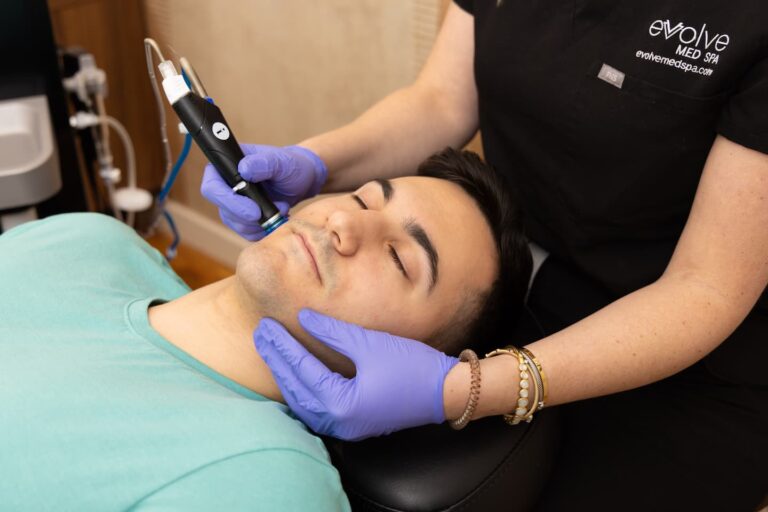
Introduction to Medical Skincare Treatments
Medical skincare treatments refer to clinically supervised procedures designed to improve skin health, address specific skin concerns, and enhance overall appearance using scientifically proven methods. Unlike over-the-counter products or basic cosmetic routines, these treatments are performed or prescribed by trained professionals and often involve advanced technology, medical-grade products, and targeted techniques.
These treatments are used to manage a wide range of skin conditions, including acne, pigmentation, aging signs, scarring, and uneven texture, while also promoting long-term skin health and regeneration. With the growing demand for effective and safe solutions, medical skincare has become an important part of both dermatology and aesthetic medicine.
Importance of Medical Skincare Treatments
Medical skincare treatments are important because they go beyond surface-level improvements and target underlying skin issues at a deeper level. Many skin concerns such as chronic acne, sun damage, and premature aging require professional intervention that cannot be effectively addressed with basic skincare products alone.
These treatments are tailored to individual skin types and conditions, ensuring more precise and effective results. In addition to improving appearance, they also contribute to better skin function, hydration, and protection against environmental damage.Another key benefit is prevention, as medical skincare treatments help slow down aging processes and reduce the risk of future skin problems.
Common Types of Medical Skincare Treatments
There are various types of medical skincare treatments available, each designed to address specific concerns and improve overall skin quality.
Chemical Peels
Chemical peels involve applying a specialized solution to exfoliate the outer layer of the skin, promoting cell turnover and revealing smoother, brighter skin underneath. They are commonly used for treating acne, pigmentation, and fine lines.
Laser Skin Treatments
Laser treatments use focused light energy to target specific skin concerns such as wrinkles, scars, and pigmentation. These treatments stimulate collagen production and improve skin texture.
Microneedling
Microneedling involves creating tiny micro-injuries in the skin using fine needles, which stimulates natural healing and collagen production. It is effective for reducing scars, fine lines, and uneven texture.
Dermal Fillers
Dermal fillers are injectable treatments used to restore volume, smooth wrinkles, and enhance facial contours, providing a more youthful appearance.
Botox Treatments
Botox is used to temporarily reduce the appearance of wrinkles by relaxing facial muscles, particularly in areas such as the forehead and around the eyes.
Hydrafacial Treatments
Hydrafacial is a multi-step treatment that cleanses, exfoliates, extracts impurities, and hydrates the skin, leaving it refreshed and glowing.
How Medical Skincare Treatments Work
Medical skincare treatments work by targeting specific layers of the skin using controlled techniques that stimulate regeneration, repair, and improvement. For example, chemical peels remove damaged outer layers, while laser treatments penetrate deeper layers to stimulate collagen production.Injectable treatments work by either adding volume or relaxing muscles to reduce the appearance of wrinkles. Each treatment is designed to address specific concerns while promoting overall skin health.Medical skincare treatments offer a wide range of benefits that go beyond cosmetic improvement.
They provide visible and long-lasting results compared to standard skincare products. Treatments can improve skin texture, reduce signs of aging, minimize scars, and even out skin tone.Another major benefit is customization, as treatments are tailored to individual needs, ensuring more effective outcomes. Additionally, these procedures are performed under professional supervision, which enhances safety and reliability.
Safety and Professional Supervision
Safety is a critical aspect of medical skincare treatments, as these procedures involve advanced techniques and medical-grade products. Treatments should always be performed by qualified professionals who understand skin anatomy and proper procedures.
Before any treatment, a consultation is typically conducted to assess skin condition, medical history, and treatment goals. This ensures that the chosen procedure is suitable and minimizes the risk of complications.Following professional guidelines and aftercare instructions is essential for achieving optimal results and avoiding side effects.
Possible Side Effects and Risks
While medical skincare treatments are generally safe, they may involve some temporary side effects depending on the procedure.Common side effects include redness, swelling, mild irritation, or sensitivity, which usually subside within a few days. More intensive treatments may require longer recovery periods.Rare complications can occur if procedures are performed incorrectly or without proper assessment, highlighting the importance of professional supervision.
The cost of medical skincare treatments varies depending on the type of procedure, complexity, location, and expertise of the provider.Basic treatments such as chemical peels may be more affordable, while advanced procedures like laser therapy or injectables can be more expensive. Multiple sessions may also be required to achieve desired results, which can increase overall cost.Although these treatments involve investment, many individuals consider them worthwhile due to their effectiveness and long-term benefits.
Maintenance and Aftercare
Aftercare is an essential part of medical skincare treatments, as it helps maintain results and prevent complications. Proper skincare routines, including cleansing, moisturizing, and sun protection, are necessary to support healing and protect the skin.Patients are often advised to avoid direct sunlight, harsh products, and excessive heat following certain treatments. Regular follow-up sessions may also be recommended to maintain results over time.The field of medical skincare is continuously evolving with new technologies and innovative treatments. Personalized skincare solutions based on skin analysis are becoming more common, allowing treatments to be tailored with greater precision.Non-invasive and minimally invasive procedures are gaining popularity due to shorter recovery times and natural-looking results. Additionally, combination therapies that use multiple techniques are being used to address complex skin concerns more effectively.
Medical skincare treatments can benefit individuals of all ages who are looking to improve skin health, address specific concerns, or maintain a youthful appearance.They are particularly beneficial for those dealing with persistent skin conditions such as acne, pigmentation, or aging signs that do not respond to basic skincare products.However, not all treatments are suitable for everyone, and professional consultation is necessary to determine the best approach based on individual needs.
Conclusion
Medical skincare treatments offer advanced solutions for improving skin health, appearance, and long-term condition through scientifically proven methods and professional care. By addressing underlying issues and promoting skin regeneration, these treatments provide more effective and lasting results compared to traditional skincare approaches.With proper guidance, safe procedures, and consistent aftercare, medical skincare treatments can significantly enhance confidence and overall well-being while maintaining healthy, radiant skin over time.
