



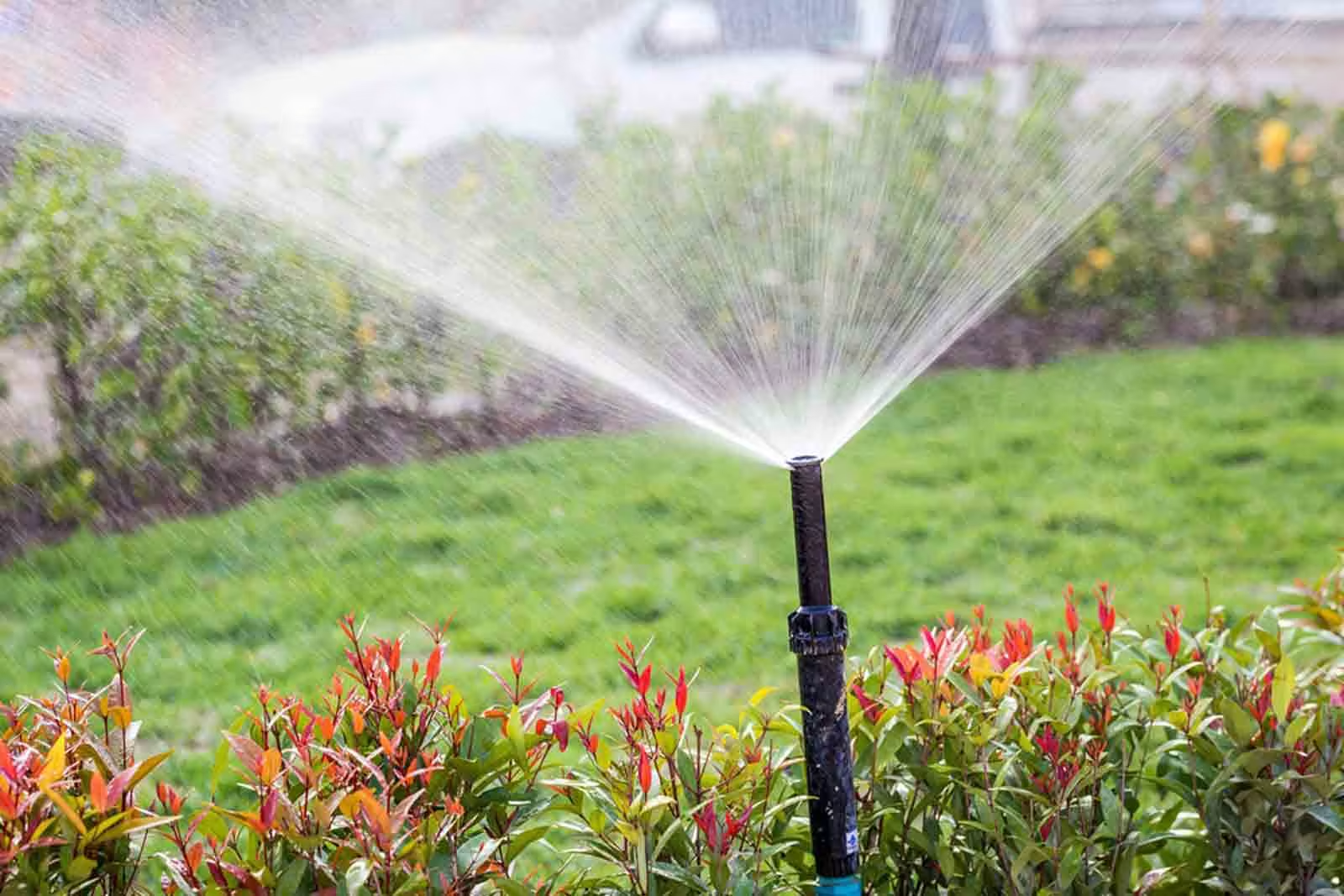
Irrigation systems play an essential role in maintaining healthy landscapes, gardens, and agricultural fields. However, just like any other system, irrigation systems are susceptible to wear and tear over time, which can lead to leaks, clogs, or malfunctioning components. When these issues arise, it’s crucial to address them promptly to prevent water waste and ensure the health of your plants. This guide offers insights into the causes of irrigation problems, how to detect issues early, and the steps for repairing them effectively.
Types of Irrigation System Issues
Irrigation systems are composed of various components, such as pipes, valves, sprinkler heads, and timers, all of which are essential for proper operation. Problems can arise in any of these parts, leading to a variety of issues. One of the most common problems is leaky pipes. Leaks can occur due to cracks in the pipes, damage from freezing temperatures, or general wear and tear. These leaks can result in water wastage and affect the overall efficiency of the system.
Another common issue is clogged sprinklers. Over time, sprinkler heads can become clogged with dirt, debris, or mineral buildup, which impedes the flow of water and causes uneven watering. This can lead to some areas of your garden or lawn receiving insufficient water while others are overwatered. Faulty valves are also a frequent cause of irrigation problems. If a valve is malfunctioning or stuck, it can cause improper water distribution, with some zones receiving too much water while others receive too little.
Malfunctioning timers and controllers can lead to issues as well. These components regulate the irrigation schedule and watering duration. If the timer or controller is not working correctly, the system may run at the wrong times, overwater, or fail to operate entirely. Lastly, misaligned or broken sprinkler heads can cause water to be distributed unevenly across your lawn or garden, wasting water and resulting in patchy growth.
Causes of Irrigation System Issues
Several factors contribute to the problems that occur in irrigation systems. One common cause is the age and wear of the system. Over time, the pipes, valves, and sprinklers may degrade due to constant exposure to the elements and pressure from the water flowing through them. As the system ages, it becomes more prone to leaks, clogs, and other issues. Freezing temperatures can also be a major culprit, especially in colder climates. When water inside the pipes freezes, it expands and can cause cracks or breaks in the pipes. Once the temperatures rise and the water thaws, the damage becomes apparent, resulting in leaks or complete system failure.
Improper installation of the irrigation system is another leading cause of issues. If pipes are not positioned correctly, sprinkler heads are misaligned, or valves are placed in hard-to-reach locations, it can result in inefficiency and malfunction. Inadequate installation can also lead to poor water distribution, causing certain areas to be overwatered while others remain dry. Clogs and debris from dirt, sand, and leaves can accumulate in the system over time, especially in the filters and nozzles. These blockages can reduce water flow, leading to uneven watering and inefficient irrigation. Additionally, mineral buildup from hard water can cause clogs in sprinkler heads and pipes, reducing the system’s overall efficiency.
Another significant issue is root intrusion. In areas where plants, trees, or shrubs are planted near the irrigation system, their roots can grow into the pipes, causing cracks, blockages, or leaks. Roots can slowly infiltrate the system, disrupting the flow of water and causing extensive damage over time. Finally, faulty sensors or timers can also result in problems with the irrigation system. If the sensors malfunction, they may fail to detect rainfall, leading to overwatering. Similarly, a broken timer can cause the system to run at the wrong times, wasting water and overwatering plants.
How to Detect Irrigation System Issues
Early detection of irrigation problems is key to preventing further damage and water waste. There are several signs that may indicate an issue with your irrigation system. Inconsistent watering patterns are one of the most common signs. If certain areas of your lawn or garden receive too much water while others remain dry, it could indicate a problem with the sprinkler heads, valves, or pipes. Low water pressure is another sign of a malfunction. If the water pressure seems weak or if the sprinkler heads are not spraying water as usual, it may indicate a blockage or leak in the system.
Pooling water or puddles in the garden or lawn can also signal a leak. Leaking pipes or valves can cause water to accumulate in areas where it should not be, leading to wastage and potential damage to plants. Additionally, if your irrigation system is not running at all, it may be due to a faulty controller, timer, or electrical issue. If you find that the system fails to start despite being scheduled to do so, it’s time to inspect the components to identify the cause. Visible damage is another clear indicator that something is wrong. Look for broken sprinkler heads, cracked pipes, or wet areas that seem out of place. These visible signs can help pinpoint the problem area.
Steps for Irrigation System Repair
Repairing an irrigation system involves several steps depending on the type of issue. The first thing to do is to turn off the water supply to prevent further damage and water wastage. Once the water is turned off, you can begin inspecting the system. Start by checking each component individually, including the pipes, sprinkler heads, valves, and timers.
If you discover a leaky pipe, the next step is to repair or replace the damaged section of the pipe. For small leaks, you may be able to use a pipe repair clamp or rubber sleeve to temporarily seal the leak. However, for more serious leaks, it’s best to replace the affected section of the pipe entirely. Clogged sprinkler heads can be cleaned with a small brush, compressed air, or by soaking the nozzles in vinegar to remove mineral buildup. If cleaning doesn’t resolve the issue, replacing the sprinkler head may be necessary.
Faulty valves can be repaired by cleaning or replacing them. To test if a valve is functioning correctly, manually operate it or check it through the controller. If the valve is stuck or broken, it will need to be replaced. Similarly, if the controller or timer is malfunctioning, it should be checked for electrical issues or replaced if necessary. Sometimes, simply resetting the timer can resolve the problem.
Once repairs are completed, the system should be tested. Turn the water supply back on and run the irrigation system zone by zone. Check for proper water flow, pressure, and coverage. Make sure that sprinklers are correctly aligned and functioning properly. If everything works as expected, the repair is complete.
Preventing Future Irrigation System Issues
While repairing irrigation system issues is important, it’s equally essential to take steps to prevent future problems. Regular maintenance can help ensure the system remains in good working order and avoids costly repairs. Start by performing routine inspections of your irrigation system. Look for leaks, cracks, or signs of damage in the pipes, valves, and sprinklers. Cleaning sprinkler heads and filters regularly will prevent clogs and ensure efficient water flow.
You should also check the watering schedule and adjust it according to seasonal weather changes. Timers and rain sensors should be calibrated to adjust watering based on rainfall. In colder climates, take precautions to prevent pipes from freezing during the winter by draining the system and insulating exposed pipes.
Finally, consider installing a pressure regulator to prevent high water pressure from damaging your pipes and sprinkler heads. Regularly monitor the water pressure to ensure it remains at optimal levels.
Conclusion
Irrigation system repair issues, if left unaddressed, can lead to water waste, plant damage, and costly repairs. By understanding the common causes of these problems, learning how to detect them early, and following the proper steps to repair the system, you can ensure your irrigation system operates efficiently. Regular maintenance and inspections are key to preventing future issues and keeping your lawn or garden healthy. If you are unsure about performing repairs on your irrigation system, it’s always best to contact a professional to ensure the job is done properly.
