



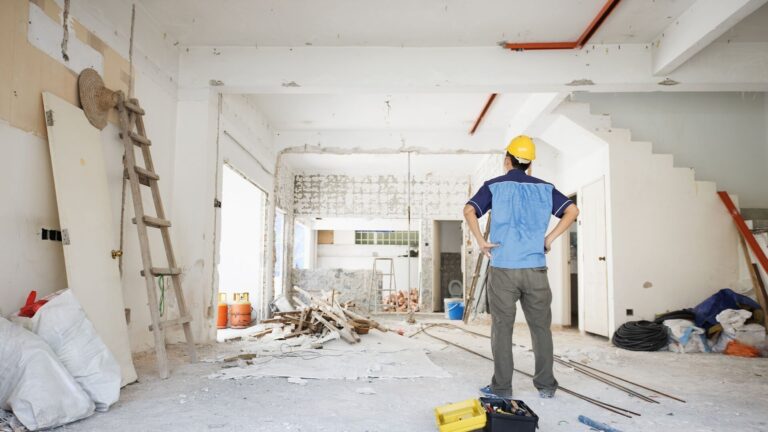
Home remodeling is the process of improving, updating, or completely transforming a residential property to enhance its functionality, appearance, and value. Unlike minor repairs or cosmetic updates, remodeling often involves structural changes, layout improvements, and system upgrades such as plumbing, electrical work, flooring, and roofing. Whether it is a single room renovation or a full-house transformation, home remodeling is a major investment that significantly impacts comfort, lifestyle, and property value.
Modern homeowners choose remodeling for many reasons, including outdated designs, lack of space, energy inefficiency, or simply the desire for a fresh and modern living environment. A well-planned remodeling project can turn an older house into a highly functional and visually appealing home.
Understanding the Purpose of Home Remodeling
The main purpose of home remodeling is to improve the usability and appearance of living spaces. Over time, homes naturally experience wear and tear, outdated designs, and changing family needs. Remodeling helps address these issues by updating layouts, upgrading materials, and improving overall functionality.
Many homeowners remodel to increase property value before selling. Others focus on improving comfort, adding more space, or modernizing interiors. In some cases, remodeling is necessary to fix structural problems or improve safety standards.A successful remodel balances aesthetics, practicality, and long-term durability.
Types of Home Remodeling Projects
Home remodeling can range from small upgrades to full-scale renovations depending on the scope of work.
Kitchen remodeling is one of the most popular projects, often involving new cabinets, countertops, flooring, lighting, and appliance upgrades. A modern kitchen improves both functionality and home value.Bathroom remodeling focuses on upgrading fixtures, tiles, plumbing, and ventilation systems. It enhances comfort, hygiene, and efficiency.Living room and bedroom remodeling often includes flooring changes, wall finishes, lighting improvements, and layout adjustments to create more comfortable spaces.Whole-house remodeling involves structural changes, room additions, and complete interior redesign. This type of project requires detailed planning and professional management.
Planning a Home Remodeling Project
Proper planning is the foundation of any successful remodeling project. It begins with identifying goals, such as improving space, upgrading design, or increasing energy efficiency.
Homeowners should create a clear budget that includes materials, labor, permits, and unexpected expenses. Planning also involves selecting design styles, choosing materials, and setting a realistic timeline.Working with professionals such as designers and contractors helps ensure that the project is practical and well-structured.Detailed planning reduces delays, avoids unnecessary costs, and ensures smooth execution.Design plays a crucial role in home remodeling. It determines how functional and visually appealing the final space will be.
Modern designs often focus on open layouts, natural lighting, and efficient use of space. Proper room flow and furniture placement are important for comfort and usability.Color schemes, materials, and lighting also influence the overall atmosphere of the home. Neutral tones are commonly used for a clean and modern look, while accent colors add personality and depth.Good design ensures that remodeled spaces are both attractive and practical.
Structural and Technical Work in Remodeling
Many home remodel projects involve structural changes such as removing or adding walls, expanding rooms, or modifying layouts. These changes require careful engineering and compliance with building codes.Electrical systems may need upgrades to support modern appliances and lighting systems. Plumbing systems are often updated to improve water efficiency and prevent leaks.
Flooring replacement, insulation improvements, and roofing updates are also common in remodeling projects.All structural and technical work must be completed safely and according to regulations to ensure long-term durability.
Materials Used in Home Remodeling
Material selection plays a major role in the quality and durability of remodeling work.Wood, tile, stone, laminate, and vinyl are commonly used for flooring. Each material offers different levels of durability, cost, and appearance.
Countertops may be made from granite, quartz, marble, or engineered materials depending on budget and design preferences.Wall finishes include paint, wallpaper, tiles, and decorative panels. Choosing high-quality materials ensures long-lasting performance and reduced maintenance.
Cost Factors in Home Remodeling
The cost of home remodeling varies depending on project size, materials, labor, and complexity.
Kitchen and bathroom remodels are typically more expensive due to plumbing and electrical work. Structural changes and room additions also increase overall costs.Material quality significantly affects budget, as premium materials are more expensive but offer better durability.Labor costs depend on contractor experience and project duration.Proper budgeting and planning help control costs and prevent unexpected financial stress.
Professional contractors play an important role in managing remodeling projects. They coordinate labor, materials, schedules, and technical work.A contractor ensures that all tasks are completed in the correct order and according to design plans. They also handle permits, inspections, and compliance with building codes.Hiring experienced professionals helps avoid mistakes, reduces delays, and improves overall quality.Contractors also provide valuable advice on materials, design improvements, and cost-saving solutions.
Common Challenges in Home Remodeling
Home remodeling projects can face several challenges if not properly managed. Budget overruns are common when unexpected issues arise during construction.Delays may occur due to material shortages, weather conditions, or scheduling conflicts.Hidden structural problems such as plumbing leaks or electrical issues can increase project complexity.Poor planning or lack of communication can also lead to design inconsistencies or unfinished work.Proper preparation and professional management help reduce these risks.
Home remodeling offers many long-term benefits. One of the biggest advantages is increased property value, which is especially important for homeowners planning to sell.
It also improves comfort and functionality by creating more efficient living spaces.Energy-efficient upgrades can reduce utility bills and improve environmental performance.Remodeling also allows homeowners to personalize their space according to their lifestyle and preferences.Overall, it enhances both quality of life and investment value.
Modern Trends in Home Remodeling
Modern remodeling trends focus on sustainability, technology, and open living spaces.Energy-efficient appliances, LED lighting, and eco-friendly materials are increasingly popular.home technology, including automated lighting, security systems, and climate control, is also widely used.Open floor plans continue to dominate modern design, creating spacious and connected living areas.Minimalist designs with clean lines and natural materials are also trending in contemporary homes.
Conclusion: The Value of Home Remodeling
Home remodeling is a powerful way to transform outdated or inefficient spaces into modern, functional, and visually appealing homes. It improves comfort, increases property value, and enhances overall quality of life.With proper planning, quality materials, and professional execution, remodeling projects can deliver long-lasting results that meet both practical and aesthetic needs.
Ultimately, home remodeling is not just about changing how a house looks—it is about improving how it works, feels, and supports everyday living.
