



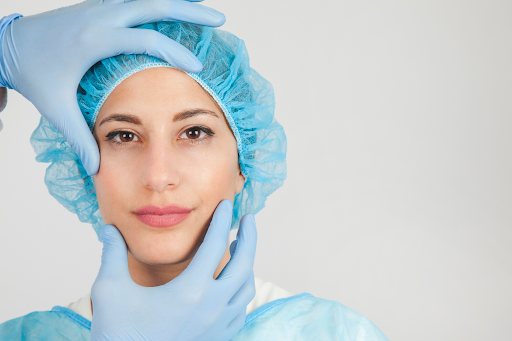
In the UK, the facial plastic surgery landscape is highly regulated, centered around prestigious areas like London’s Harley Street or private hospitals in Manchester and Birmingham. Unlike general cosmetic procedures, facial surgery requires a surgeon with an intricate understanding of delicate anatomy and the “golden ratios” of the face.
Whether you are considering a rhinoplasty, a facelift, or a blepharoplasty, your initial consultation is a high-stakes interview. Here is how to prepare for your first visit to a facial plastic surgeon in the UK to ensure your safety and aesthetic success.
1. Verify Specialist Credentials
In the UK, anyone with a basic medical degree can technically call themselves a “surgeon.” To ensure you are in the safest hands, you must verify their specialist status.
- The GMC Specialist Register: Visit the General Medical Council (GMC) website and search for your surgeon. They must be on the Specialist Register for Plastic Surgery.
- BAAPS & BAPRAS: Most reputable UK facial surgeons are members of the British Association of Aesthetic Plastic Surgeons (BAAPS) or the British Association of Plastic, Reconstructive and Aesthetic Surgeons (BAPRAS). Membership in these organisations indicates a commitment to ethical practice and ongoing surgical education.
- NHS Background: Many top-tier UK private surgeons also hold Consultant posts within the NHS. This is a strong “trust marker,” as these positions are incredibly competitive and require rigorous peer review.
2. Prepare Your “Aesthetic Folder”
A facial plastic surgeon needs to understand your subjective vision. Words like “natural” or “refining” mean different things to different people.
- The 10-Year Rule: Bring photos of yourself from 10 or 15 years ago. This helps the surgeon understand your underlying bone structure and how your face has aged, allowing them to restore your features rather than changing them entirely.
- Inspiration vs. Reality: You can bring “wish photos” of celebrities or specific features you admire, but use them as a starting point for discussion. A specialist will explain why certain shapes may or may not work with your unique facial harmony.
- The “Mirror Test”: Before your appointment, stand in a well-lit room and identify exactly what bothers you. Is it the volume in your cheeks, the “heaviness” of your eyelids, or the contour of your jawline? Being specific helps the surgeon tailor the surgical plan.
3. Understand the “Two-Stage” Consultation Rule
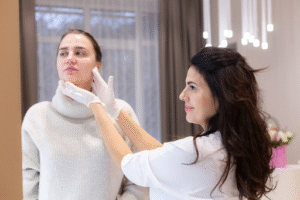
In the UK, professional guidelines (and often legal requirements) suggest or mandate a “cooling-off” period.
- Don’t Expect to Book Immediately: A reputable facial plastic surgeon in the UK will rarely allow you to book a surgery on the day of your first visit.
- The Cooling-Off Period: You should expect at least a two-week cooling-off period between your consultation and your surgery date. This ensures your decision is made without pressure and that you have fully digested the risks and benefits.
- The Second Consultation: Many surgeons suggest a second, shorter meeting (often included in the initial fee) to answer any “day-after” questions that arise once the initial excitement has settled.
4. Medical and Lifestyle Transparency
Because facial surgery often involves general anesthesia or deep sedation, your medical history is a non-negotiable part of the visit.
- The Smoking Ban: Nicotine is the enemy of facial surgery. It constricts blood vessels and can lead to skin necrosis (tissue death), especially in facelifts. UK surgeons will often refuse to operate unless you have been strictly nicotine-free for at least 6 weeks.
- Supplements and Meds: Bring a list of all medications. Supplements like Vitamin E, St. John’s Wort, and high-dose Fish Oil can increase bleeding and must be stopped well in advance.
- GP Support: While you don’t always need a referral to see a private surgeon, having the support of your GP is highly recommended. It ensures your medical records are accessible and that your post-operative care is coordinated.
5. Navigating UK Costs and Fees
Transparency in pricing is a hallmark of a professional UK practice.
- Consultation Fees: Expect to pay between £150 and £350 for your initial consultation. Be wary of “free” consultations that feel like high-pressure sales pitches.
- The “All-In” Quote: Your final quote should be broken down into three parts:
- The Surgeon’s Fee.
- The Anaesthetist’s Fee.
- The Hospital/Facility Fee (which includes your overnight stay if required).
- VAT: In the UK, purely cosmetic surgery is subject to 20% VAT. However, if the surgery is performed for reconstructive or psychological reasons (which a GP or psychologist can support), it may be VAT-exempt. Your surgeon will clarify this during the visit.
6. Questions You Must Ask

To vet your specialist effectively, use these UK-specific questions:
- “How often do you perform this specific facial procedure each month?”
- “Which private hospital will my surgery take place in, and is it CQC (Care Quality Commission) registered?”
- “What is your specific protocol if I experience a complication once I am back home?”
- “Can I speak with a previous patient who has had this exact procedure with you?”
Final Thoughts
The decision to undergo facial surgery is a journey of both the mind and the body. By choosing a facial plastic surgeon in the UK who is GMC-registered and BAAPS-affiliated, you are prioritising safety over shortcuts. Arriving at your first visit with a clear history, a realistic set of goals, and a list of targeted questions will turn a nervous appointment into an empowering step toward your refreshed appearance
