



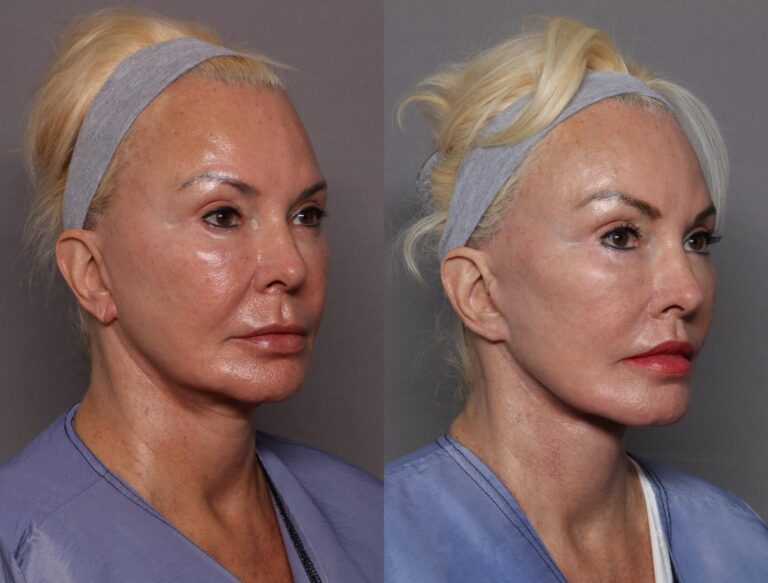
If you’re thinking about getting a facelift, one of the first questions that likely crosses your mind is: “Will people be able to tell I had surgery?” Scarring is one of the most common concerns patients bring up during consultations — and it’s a completely understandable one. The thought of trading sagging skin for visible scars doesn’t exactly sound like a great deal. The reassuring truth, though, is that modern facelift techniques have come a long way. With the right surgeon, the right approach, and proper aftercare, facelift scars are typically so discreet that even people close to you won’t notice them. Here’s everything you need to know.
Yes, Facelifts Do Leave Scars — But Here’s the Full Picture
Let’s be straightforward with you: any surgical procedure that involves an incision will leave some degree of scarring. A facelift is no exception. However, the real question isn’t whether scarring occurs — it’s whether those scars will be visible, and the answer to that is almost always no, when the surgery is performed correctly.
Experienced facelift surgeons are highly skilled at placing incisions in locations that are naturally hidden. The most common incision sites include the area just in front of and behind the ear, along the natural crease of the earlobe, and sometimes within the hairline at the temple. These positions take advantage of your anatomy’s natural folds, shadows, and hair coverage to keep scars out of plain sight.
What you’ll find is that the majority of patients — even those with shorter hair — are pleasantly surprised by how undetectable their scars become within six to twelve months of surgery. In many cases, even close inspection doesn’t reveal any trace of an incision. The goal of every skilled facelift surgeon is not just to turn back the clock on your appearance, but to do so in a way that looks completely natural and undetectable.
Where Are Facelift Incisions Typically Placed?
Understanding the anatomy of a facelift incision goes a long way in helping you visualise what to expect. The exact placement depends on the type of facelift you’re having and your individual anatomy, but here are the most common locations:
In Front of the Ear (Preauricular Region): This is the primary incision site for most facelift techniques. The incision follows the natural contour just in front of the ear, often tracing along the tragus (the small raised cartilage flap at the front of the ear canal). When placed here skillfully, the scar blends seamlessly into the natural crease and becomes virtually invisible once healed.
Behind the Ear (Postauricular Region): The incision continues around and behind the ear, tucked into the groove where the ear meets the scalp. This area heals extremely well due to good blood supply and the natural shadow created by the ear.
Into the Hairline: For patients who need more extensive lifting of the temples or forehead, incisions may extend slightly into the hairline. A surgeon with strong technical skills will angle these incisions to follow the natural direction of hair growth, ensuring that new hair grows through the scar and conceals it effectively.
Under the Chin: If the procedure includes neck contouring or a platysmaplasty (tightening of the neck muscle), a small incision may be made beneath the chin. This area is naturally hidden and typically heals very well.
The key takeaway here is that none of these incision points are placed in open, visible areas of the face. They are all strategically positioned to use your own anatomy as camouflage.
What Factors Influence How Facelift Scars Heal?
Not all scars are created equal, and a number of factors — some within your control and some not — influence how discreetly your facelift scars will heal. Being aware of these can help you set realistic expectations and take an active role in your own recovery.
Surgeon Skill and Technique: This is the single most influential factor. A highly experienced facelift surgeon understands how to close incisions with minimal tension, align skin edges precisely, and use layered suturing techniques that reduce the risk of wide or raised scars. Choosing your surgeon carefully is the most important decision you’ll make in this entire process.
Your Skin Type: People with lighter skin tones tend to develop less visible scars, while those with darker skin tones may be more prone to hyperpigmentation along the scar line. Similarly, individuals prone to keloid or hypertrophic scarring should discuss this history openly with their surgeon before proceeding.
Age: As you age, your skin produces less collagen and heals more slowly — but it also tends to form flatter, less raised scars. Older patients often find that their facelift scars are actually quite subtle compared to younger patients whose skin may produce more active healing responses.
Smoking: Smoking is one of the most significant factors that impairs wound healing. Nicotine restricts blood flow to the skin, which can lead to delayed healing, wound separation, and more prominent scarring. Most surgeons require patients to stop smoking for a minimum of four to six weeks before and after surgery.
Sun Exposure: UV radiation can darken healing scar tissue, making scars more visible long-term. Protecting your incision sites from direct sun exposure — using hats, scarves, or SPF — during the first year of healing is essential.
Aftercare Compliance: How diligently you follow your surgeon’s post-operative instructions plays a major role in how your scars mature. Keeping wounds clean, avoiding picking or scratching, applying recommended topical treatments such as silicone gel, and attending all follow-up appointments all contribute to better outcomes.
How Scars Evolve Over Time: The Healing Journey
One of the most important things to understand about facelift scars is that they go through predictable stages of healing — and the final result looks very different from what you see in the first few weeks. Here’s what you can generally expect:
Weeks 1–2: The incision sites are fresh and may appear pink, slightly raised, or firm. Some bruising and swelling around the incisions is entirely normal. This is the most intense phase of healing, and it’s important not to judge your final result during this window.
Weeks 3–6: As swelling subsides, scars begin to flatten. They may still appear pink or slightly reddish, which is a sign of active collagen remodelling — a natural and healthy part of the process.
Months 2–6: Scars continue to fade and soften. For many patients, this is the phase where they begin to notice just how discreet the scars are becoming. The redness gradually transitions to a pinkish tone and then to a colour that closely matches the surrounding skin.
Months 6–18: This is when scars reach their final, mature state. In most cases, they are pale, flat, and effectively invisible — especially when considering the strategic placement along natural creases and hairlines. Many patients look back at their concern about scarring with relief, realising it wasn’t something to worry about after all.
Tips to Minimise and Care for Facelift Scars
While your surgeon’s skill sets the foundation, your aftercare efforts make a real difference in how well your scars heal. Here are some of the most effective, evidence-based strategies:
Silicone Gel or Sheets: Silicone-based products are among the most well-researched scar treatments available. They help hydrate the scar tissue, regulate collagen production, and flatten raised scars. Many surgeons recommend starting silicone gel applications once the incisions are fully closed (typically around two weeks post-op) and continuing for three to six months.
Gentle Massage: Once your surgeon gives you the green light — usually around four to six weeks post-op — gentle massage of the scar tissue can help break down any firmness and improve the texture and appearance of the scar over time. Use a light touch with a nourishing oil such as rosehip or vitamin E.
Sun Protection: Apply a broad-spectrum SPF 30 or higher to any exposed scar areas whenever you’re outdoors. Do this consistently for at least 12 months post-surgery. Consider wearing hats or using scarves to provide additional coverage.
Stay Hydrated and Eat Well: Healing from the inside out matters just as much as what you do topically. A diet rich in protein, vitamin C, and zinc supports collagen synthesis and tissue repair. Staying well hydrated keeps your skin supple and aids recovery.
Avoid Tension on the Incisions: In the early weeks, avoid movements or activities that stretch the skin around the incision sites. This includes intense exercise, heavy lifting, or anything that significantly raises your blood pressure or causes facial straining.
Consider Professional Treatments: If you find that a particular area of scarring is more prominent than expected, there are excellent non-surgical options available. Treatments such as laser therapy, microneedling, or steroid injections can significantly improve the appearance of stubborn scar tissue. Discuss these options with your surgeon at follow-up appointments.
Why More Patients Are Turning to Turkey for Facelift Surgery
Turkey has become one of the world’s most popular destinations for facelift surgery — and for good reason. The country is home to a large number of highly trained, internationally accredited plastic surgeons who specialise in facial rejuvenation procedures, many of whom have trained in Europe and North America.
What makes Turkey particularly attractive is the combination of exceptional medical quality, modern hospital facilities, and significantly more accessible pricing compared to the UK, US, or Western Europe — often at a fraction of the cost without any compromise on care. Many patients who have travelled to Turkey for their facelift report outstanding experiences and results. Reading facelift in Turkey reviews from real patients can give you valuable insight into what the process looks like from start to finish, helping you feel more confident and informed as you explore your options.
If you’re considering making the journey, it’s worth taking the time to thoroughly research clinics and surgeons, ask to see before-and-after portfolios, and ensure that any facility you choose meets international standards for patient safety and surgical care.
Final Thoughts
So, does a facelift leave a scar? Technically, yes — but in practice, for most patients, the scars are so well-hidden and so well-healed that they become a non-issue. The combination of strategic incision placement, advanced surgical techniques, and diligent aftercare means that the vast majority of facelift patients enjoy beautiful, natural-looking results without any visible signs of surgery.
If scarring is a concern that’s been holding you back from exploring your options, know that you’re not alone — and know that modern facelift surgery has been refined to address exactly that concern. The best next step is to consult with a qualified, experienced facelift surgeon who can walk you through the approach, show you real patient outcomes, and help you understand what to expect for your unique anatomy. Whether you’re considering surgery at home or abroad, reading facelift in turkey reviews is a great starting point for getting a realistic and well-rounded perspective on the journey ahead.
