



Do Electric Cars Actually Need Servicing
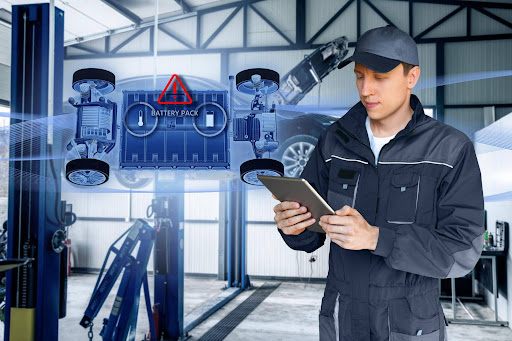
Electric cars do need servicing, but the nature of that servicing is different from petrol or diesel vehicles. Instead of focusing on engine related maintenance, electric vehicles shift attention toward electrical systems, battery health, tyres, brakes, and onboard software. For structured servicing and professional vehicle maintenance , you can explore a detailed service breakdown in this blog.
They are often described as lower maintenance, but that does not mean maintenance free. Regular servicing, including booking your MOT test in Guildford, is still important to ensure safety, performance, and long term reliability.
Key reasons electric cars still require servicing
- Safety critical components still need inspection
Even without an engine, an electric car relies on essential systems such as brakes, suspension, steering, and tyres. These components experience wear and must be checked regularly to keep the vehicle safe on the road. - Battery performance and health checks
The battery pack is the core of an electric vehicle. Over time, its efficiency can change depending on usage, charging habits, and environmental conditions. Routine diagnostics help monitor its condition and ensure consistent performance. - Brake system maintenance still matters
Electric cars use regenerative braking, which reduces strain on brake pads. However, brake fluid, discs, and calipers still require inspection to prevent corrosion or reduced effectiveness over time. - Tyres often wear faster
Because electric vehicles are heavier due to their battery systems, tyre wear can be more noticeable. Regular alignment checks, pressure monitoring, and rotation help extend tyre life and improve efficiency. - Software updates and system diagnostics
Modern electric cars rely heavily on software for performance management, safety systems, and energy efficiency. Servicing often includes updates and electronic diagnostics to keep systems running correctly.
Simple comparison view
Electric cars reduce the need for traditional engine servicing, but they still require structured maintenance focused on electrical systems and wear components.
Why Electric Cars Are Different from Petrol Cars
Electric cars and petrol cars both serve the same purpose, which is transportation, but the way they achieve it is fundamentally different. This difference is the reason their servicing needs are not the same.
Electric vehicles rely on electricity stored in a battery and delivered through an electric motor. Petrol cars depend on internal combustion, where fuel is burned to create power. This single difference changes almost every aspect of maintenance.
1. Fewer moving parts, fewer mechanical issues
Electric cars have significantly fewer moving components compared to petrol engines. There are no pistons, timing belts, fuel injectors, or exhaust systems that require regular engine related servicing. This reduces the frequency of breakdown related maintenance.
2. Different wear patterns across components
Instead of engine wear, electric cars experience wear in areas such as:
- Tyres due to vehicle weight
- Brake systems due to regenerative braking usage patterns
- Suspension components from torque delivery characteristics
This shifts maintenance focus away from the engine bay to the chassis and electronic systems.
3. Energy delivery is instant and consistent
Electric motors deliver power instantly, without gear shifting in most cases. This creates smoother acceleration but also places different stress patterns on tyres and drivetrain components compared to petrol vehicles.
4. Cooling systems still exist but function differently
Electric cars still require cooling systems, but they are used to regulate battery temperature and electronic components instead of engine heat. These systems still need inspection and occasional servicing to prevent overheating or efficiency loss.
5. Software plays a major role in performance
Unlike petrol cars, electric vehicles rely heavily on software for:
- Energy management
- Safety features
- Driving modes
- Efficiency optimization
This means servicing often includes diagnostic scans and system updates rather than physical engine adjustments.
Quick comparison table
| Aspect | Petrol Cars | Electric Cars |
| Engine maintenance | Regular oil and filter changes | Not required |
| Moving parts | High | Low |
| Cooling system | Engine cooling | Battery and electronics cooling |
| Energy system | Fuel based | Battery based |
| Software dependency | Low | High |
What Parts of an Electric Car Require Servicing
Even though electric cars do not rely on a traditional engine, they still contain several systems that need regular attention. The key difference is that servicing is more focused on electrical health, safety components, and wear based parts rather than combustion related systems.
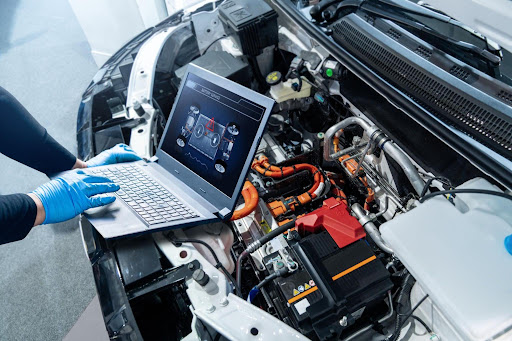 Below is a clear breakdown of what actually requires servicing in an electric vehicle.
1. Battery system and thermal management
The battery is the most critical component in an electric car. It powers the entire vehicle and directly affects range, performance, and efficiency.
Servicing focus includes:
- Battery health diagnostics
- Charging efficiency checks
- Thermal management system inspection
- Connection and insulation safety checks
A well maintained battery system helps ensure stable performance over time and reduces the risk of efficiency loss.
2. Brake system and regenerative braking components
Electric cars use regenerative braking, which reduces wear on traditional brake pads by converting motion into energy. However, the mechanical brake system is still present and must be serviced.
Key servicing tasks:
- Brake fluid replacement when required
- Caliper inspection and cleaning
- Disc condition checks
- Corrosion prevention due to lower usage
Even with reduced wear, brakes still remain a safety critical system.
3. Tyres and wheel alignment
Because electric vehicles are generally heavier due to battery packs, tyres often experience more stress compared to petrol cars.
Servicing includes:
- Tyre pressure monitoring
- Wheel alignment checks
- Tyre rotation for even wear
- Tread depth inspection
Proper tyre maintenance directly impacts range efficiency and road safety.
4. Suspension and steering components
Electric vehicles deliver instant torque, which can place different stress patterns on suspension systems.
Regular servicing checks:
- Shock absorbers and struts
- Steering alignment
- Suspension joint wear
- Handling stability under load
These checks help maintain driving comfort and control.
5. Cooling and climate control systems
Electric cars do not have engine cooling systems, but they still rely on thermal regulation for batteries and electronics.
Servicing areas include:
- Coolant levels for battery cooling systems
- Pump and hose condition
- Air conditioning system performance
- Heat regulation efficiency
Maintaining temperature control is essential for battery longevity.
6. Software and electronic systems
Modern electric vehicles depend heavily on software for performance, safety, and energy management.
Servicing often includes:
- System diagnostics
- Firmware updates
- Sensor calibration
- Error code scanning
These updates help improve efficiency and ensure all systems work correctly.
Simple overview table
| Component | Why it needs servicing |
| Battery system | Maintains performance and range |
| Brakes | Safety and corrosion prevention |
| Tyres | Weight related wear and efficiency |
| Suspension | Stability and ride comfort |
| Cooling system | Protects battery and electronics |
| Software systems | Performance and safety updates |
What Electric Cars Do Not Need Compared to Petrol Cars
One of the biggest advantages of electric cars is the reduction in traditional maintenance tasks that petrol and diesel vehicles require regularly. This does not mean zero servicing, but it does remove several routine and costly engine based procedures.
Understanding what is not needed helps drivers clearly see where the real difference in ownership lies.
1. No engine oil changes
Electric cars do not have internal combustion engines, which means there is no engine oil, no oil filters, and no oil change intervals. This removes one of the most frequent servicing requirements in petrol vehicles.
Petrol cars rely on oil to lubricate moving engine parts, but electric motors do not operate in the same way, so this process is not required at all.
2. No exhaust system maintenance
Since electric vehicles produce no exhaust emissions, there is no exhaust system to repair, replace, or maintain. This eliminates issues such as exhaust leaks, catalytic converter failures, and emission system faults.
3. No fuel system servicing
Electric cars do not require fuel pumps, fuel filters, or injectors. This removes another major category of maintenance found in petrol vehicles. There is no fuel combustion process, so there are no related deposits or blockages to clean or maintain.
4. No clutch or traditional gearbox servicing
Most electric vehicles use a single speed transmission system, which eliminates the need for clutch replacements, gearbox oil changes, and gear shifting component repairs. This significantly reduces mechanical wear over time.
5. Reduced brake wear due to regenerative braking
Electric cars use regenerative braking, which slows the vehicle while recovering energy back into the battery. This reduces reliance on traditional brake pads and discs.
However, brake systems still exist and require periodic inspection to prevent corrosion from low usage.
6. Fewer engine related breakdowns
Because there is no combustion engine, electric cars avoid common engine problems such as timing belt failure, spark plug issues, engine overheating, and fuel combustion faults. This results in fewer mechanical breakdown scenarios overall.
Comparison table: What EVs eliminate vs petrol cars
| Maintenance area | Petrol cars | Electric cars |
| Engine oil changes | Required | Not required |
| Fuel system checks | Required | Not required |
| Exhaust system | Required | Not required |
| Clutch and gearbox | Required | Mostly not required |
| Engine repairs | Frequent over time | Not applicable |
Key insight
Electric cars simplify ownership by removing many engine related servicing tasks, but they replace them with electrical, battery, and system focused maintenance.
This shift is why many drivers perceive EVs as easier to maintain, even though they are not completely maintenance free.
For more insights on how modern vehicles are evolving in efficiency and maintenance trends, you can explore this guide on the most fuel efficient cars.
Electric Car vs Petrol Car Maintenance Comparison
When comparing electric cars and petrol cars, the biggest difference is not just how they are powered, but how they are maintained over time. Petrol vehicles rely heavily on engine based servicing, while electric vehicles shift focus toward electrical systems and wear related components.
This section breaks down the key differences in a simple and practical way so drivers can clearly understand what changes in real ownership.
1. Core maintenance structure
Petrol cars require regular engine servicing because combustion creates heat, friction, and wear. This leads to frequent oil changes, filter replacements, and engine inspections.
Electric cars do not have combustion engines, so they avoid most engine related servicing. Instead, maintenance is focused on battery systems, brakes, tyres, and software updates.
2. Routine servicing needs
- Petrol cars typically require:
- Oil and filter changes
- Spark plug replacement
- Fuel system cleaning
- Exhaust system checks
- Engine cooling maintenance
- Electric cars typically require:
- Battery health diagnostics
- Brake system inspection
- Tyre rotation and alignment
- Software updates
- Cooling system checks for battery and electronics
3. Wear and tear differences
Electric vehicles and petrol vehicles wear differently due to how power is delivered.
- Petrol cars experience engine wear over time due to internal combustion
- Electric cars experience more tyre and suspension wear due to instant torque and battery weight
4. Maintenance frequency overview
| Component | Petrol Cars | Electric Cars |
| Engine servicing | Frequent | Not required |
| Brake wear | Moderate | Lower but still present |
| Tyre wear | Standard | Often higher |
| Software updates | Minimal | Regular |
| Cooling system | Engine focused | Battery focused |
5. Long term ownership impact
Electric cars often feel simpler to maintain because they reduce the number of mechanical parts that can fail. However, they still require structured servicing to maintain efficiency and safety.
Petrol cars require more frequent servicing, but their systems are widely understood and mechanically straightforward for traditional repairs.
6. Real world understanding
In real ownership, the difference is not about whether servicing exists, but about where it is focused. Electric cars shift responsibility from engine maintenance to system health monitoring.
For drivers in Guildford, where mixed driving conditions include short urban trips and longer motorway travel, both vehicle types require consistent maintenance planning to ensure reliability and safety.
How Often Should an Electric Car Be Serviced
Electric cars do not follow the same strict servicing rhythm as petrol vehicles, but they still require regular maintenance to stay safe, efficient, and reliable. The servicing schedule depends on manufacturer guidelines, driving habits, and usage conditions.
Unlike petrol cars, where engine wear dictates frequent intervals, electric vehicles are mainly maintained based on system checks and component condition.
1. General servicing timeline
Most electric cars are typically serviced:
- Once every 12 months
- Or every 10,000 to 15,000 miles, depending on usage
This interval may vary depending on the model and driving conditions, but annual servicing is the most common standard.
2. What is checked during regular EV servicing
During a scheduled service, technicians usually inspect:
- Battery health and charging performance
- Brake system condition and fluid levels
- Tyre wear, pressure, and alignment
- Suspension and steering components
- Cooling systems for battery and electronics
- Software updates and diagnostic scans
Each of these checks ensures the vehicle remains efficient and safe for daily driving.
3. Factors that can affect servicing frequency
- Driving style
Frequent acceleration, high speed driving, or heavy braking can increase wear on tyres and brakes. - Climate conditions
Extreme heat or cold can affect battery performance and cooling system workload. - Daily usage patterns
Short urban trips vs long motorway journeys can impact battery cycles differently. - Charging habits
Frequent fast charging may require closer battery monitoring over time.
4. Electric car servicing rhythm vs petrol cars
| Aspect | Petrol Cars | Electric Cars |
| Routine service frequency | More frequent | Generally annual |
| Engine related checks | Required every service | Not applicable |
| Battery health checks | Not applicable | Required regularly |
| Brake wear monitoring | Moderate | Lower but still needed |
| Software updates | Rare | Regular |
5. Simple ownership insight
Electric cars reduce the need for frequent mechanical servicing, but they still rely on structured annual checks to ensure all systems are performing correctly.
Skipping servicing can lead to unnoticed issues such as reduced battery efficiency, uneven tyre wear, or software related performance problems.
For a clearer understanding of how electric vehicles fit into modern automotive trends and efficiency focused driving, you can explore this guide.
- Practical takeaway for drivers
For drivers in Guildford and surrounding areas, where a mix of city and motorway driving is common, following a consistent annual service routine helps maintain smooth performance, especially during seasonal changes that affect battery efficiency and tyre condition.
Common Myths About Electric Car Servicing
Electric cars are still relatively new for many drivers, which has led to several misunderstandings about how they actually need to be maintained. While they are simpler in many ways, they are not maintenance free. Clearing up these myths helps set realistic expectations for ownership.
1. Electric cars do not need any servicing
This is one of the most common misconceptions. Electric cars still require regular servicing, just not in the same way as petrol vehicles.
They need inspections for:
- Brakes
- Tyres
- Suspension
- Battery health
- Cooling systems
- Software updates
Skipping servicing can still lead to safety and performance issues over time.
2. EVs never break down
Electric cars have fewer moving parts, but they are still machines. Components like tyres, suspension parts, and electronic systems can still develop faults.
The difference is that breakdown causes a shift from engine related issues to electrical or wear based issues.
3. Brake maintenance is not needed
Because of regenerative braking, many assume brakes do not need attention. While brake wear is reduced, brake fluid still needs replacement and components can still corrode due to less frequent use.
Regular inspection is still essential for safety.
4. Battery never needs checking
The battery is often assumed to be “fit and forget.” In reality, it is one of the most important components to monitor.
Battery health checks help identify:
- Efficiency loss
- Charging irregularities
- Temperature related stress
- Long term degradation patterns
5. Servicing costs are always negligible
While routine servicing is generally lower compared to petrol cars, costs can still vary depending on diagnostics, tyres, and system checks.
Electric cars save on engine related servicing, but other components still require professional attention.
| Myth | Reality |
| EVs need no servicing | They still require regular maintenance |
| Brakes do not wear | They still need inspection and fluid checks |
| Battery never needs care | Regular diagnostics are important |
| EVs never break down | They still have mechanical and electronic issues |
Real World Ownership Insights
When looking beyond specifications and technical comparisons, the real experience of owning an electric car becomes much clearer. Most drivers notice that maintenance feels simpler, but it is still structured and important.
One of the biggest real world changes is how often you think about servicing. With petrol cars, routine engine related maintenance creates frequent workshop visits. With electric cars, those visits become less frequent, but more focused on system checks and diagnostics.
1. What drivers notice after switching to electric
- Fewer unexpected engine related issues
Since there is no combustion engine, drivers do not deal with problems like oil leaks, timing belt wear, or engine overheating. - More predictable maintenance schedule
Servicing becomes more calendar based rather than problem driven. This helps drivers plan ahead more easily. - Increased focus on tyres and brakes
Many drivers are surprised that tyres wear slightly faster due to vehicle weight, while brakes often last longer due to regenerative braking.
2. What still requires attention in daily use
Even outside formal servicing, electric car owners still need to monitor key areas:
- Tyre pressure and tread condition
- Charging habits and battery levels
- Brake responsiveness during low speed driving
- Warning messages from onboard systems
These small checks help prevent issues before they develop into bigger problems.
3. Long term ownership perspective
Over time, electric cars shift maintenance responsibility from mechanical repair to preventative care. Instead of fixing engine faults, drivers focus more on maintaining system health and efficiency.
This makes ownership feel smoother, but it also requires awareness. Ignoring battery health or tyre condition can still impact performance and safety.
Final thoughts
Electric cars do need servicing, but the structure is fundamentally different from petrol vehicles. They remove many traditional engine based maintenance tasks, yet still rely on regular checks for safety critical and performance related systems.
The key takeaway is simple: electric cars reduce complexity, not responsibility. They replace frequent mechanical servicing with less frequent but more focused system based maintenance.
For drivers, especially those considering the switch, understanding this balance is important. It helps set realistic expectations, improves long term ownership confidence, and ensures the vehicle remains efficient, safe, and reliable throughout its lifespan.
Frequently Asked Questions
To complete a clear understanding of electric car servicing, here are the most commonly asked questions from drivers, answered in a simple and practical way.
1. Do electric cars need regular servicing?
Yes, electric cars still need regular servicing. However, it is less frequent compared to petrol cars and focuses more on electrical systems, tyres, brakes, and battery health rather than engine maintenance.
2. What is included in electric car servicing?
A typical service usually includes:
- Battery health and performance checks
- Brake system inspection and fluid checks
- Tyre condition, pressure, and alignment
- Suspension and steering checks
- Cooling system inspection
- Software and diagnostic updates
3. Are electric cars cheaper to maintain?
In general, electric cars can be cheaper to maintain because they do not require oil changes, engine servicing, or exhaust system repairs. However, costs can still arise from tyres, brakes, and battery related diagnostics.
4. How often should an electric car be serviced?
Most electric cars are serviced once a year or every 10,000 to 15,000 miles, depending on manufacturer recommendations and driving conditions.
5. Do electric cars need oil changes?
No, electric cars do not use engine oil because they do not have internal combustion engines.
6. What parts wear out the most in electric cars?
The most commonly worn components include:
- Tyres due to vehicle weight
- Brake components (though slower wear due to regenerative braking)
- Suspension parts over time
- Wiper blades and minor consumables
7. Do electric cars last longer than petrol cars?
Electric cars can last a long time if properly maintained, especially due to fewer moving parts. However, battery health and usage habits play a major role in long term durability.
8. Is electric car servicing complicated?
No, it is generally simpler than petrol car servicing. The complexity shifts from mechanical engine work to diagnostics and electronic system checks.
