



Have you ever wondered why the story of a baby born in a simple place is still loved all around the world? That story is called Nativität, and even in 2026, it still touches hearts in a very special way.
Nativität is not just about a birth. It is about hope, love, and a fresh start. It is the story of Jesus Christ being born, and for many people, it is the reason why Christmas is celebrated every year. But even if someone is not very religious, the message of Nativität still feels warm and meaningful.
In this article, we will talk about everything in a simple and clear way. We will explain what Nativität means, tell the story in easy words, and explore why it is still so important today. Let’s start from the beginning.
What Is Nativität? (Simple Meaning Explained)
The word Nativität means “birth.” It comes from an old Latin word, nativitas, which also means birth. But when people use the word today, they are usually talking about one special birth — the birth of Jesus Christ.
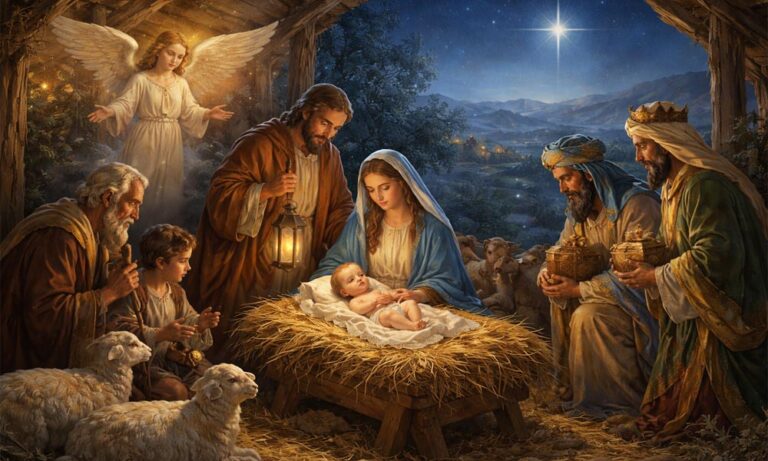
So, when we say Nativität, we are talking about the moment Jesus came into the world. This is the heart of Christmas. That is why you see nativity scenes, hear songs about a baby in a manger, and watch plays about Mary and Joseph.
Even today, the meaning of Nativität is very powerful. It reminds people that something great can begin in a very simple way. It also shows that love and hope can come into the world when we need it the most.
The Story of Nativität in Easy Words
Let’s tell the story of Nativität in a very simple way.
A long time ago, a young woman named Mary was told by an angel that she would give birth to a very special child. This child would be Jesus. Mary and her husband, Joseph, had to travel to a town called Bethlehem.
When they reached Bethlehem, the town was full. There was no place for them to stay. So, they found a small stable where animals were kept. It was not a rich or comfortable place. But that is where Jesus was born.
Mary wrapped baby Jesus in cloth and placed him in a manger, which is a feeding box for animals. Think about that for a moment. The most important birth in history happened in a quiet, simple place. That is one of the most beautiful parts of the Nativität story.
Nativität in the Bible: Matthew and Luke
The story of Nativität comes from the Bible, mainly from two books: Matthew and Luke. Both tell the same story, but in slightly different ways.
The Gospel of Matthew focuses more on Joseph. It tells how Joseph was worried at first but then an angel came to him in a dream and explained everything. Matthew also talks about the wise men, also called the Magi, who followed a star to find Jesus.
The Gospel of Luke gives more details about Mary and the birth itself. It tells us about the journey to Bethlehem, the stable, and how angels shared the good news with shepherds. Luke’s version feels very peaceful and full of joy.
Together, these two accounts help us understand the full picture of Nativität in a clear and meaningful way.
The Special People in the Nativität Story
The story of Nativität is simple, but it includes many important people. Each one plays a special role.
First, there is Mary. She is the mother of Jesus. She shows great faith and courage. Even when things were not easy, she trusted God’s plan. Then there is Joseph, who supports and protects Mary. He also shows strong faith.
Then we have baby Jesus, the center of the story. His birth is what makes Nativität so important. There are also shepherds, who were simple workers in the fields. Angels appeared to them and told them about the birth. This shows that the message was for everyone, not just rich or powerful people.
Finally, there are the wise men. They traveled from far away, following a bright star. They brought gifts of gold, frankincense, and myrrh. These gifts had deep meanings, showing that Jesus was special in many ways.
The Meaning Behind Nativität (Why It Matters)
So, why does Nativität matter so much?
For many people, it is the moment when God came into the world as a human. This is called the Incarnation. It means that God chose to live like us, to understand us, and to help us.
The Nativität is also seen as the fulfillment of old promises. For many years, people believed that a savior would come. The birth of Jesus was seen as that promise coming true.
Even if we look at it in a simple way, the message is clear. Nativität tells us that love, hope, and kindness can change the world. It reminds us that even in dark times, something good can begin.
Why Nativität Teaches Humility and Love
One of the most powerful parts of Nativität is how simple everything is.
Jesus was not born in a big palace. He was not surrounded by wealth or luxury. Instead, he was born in a stable, a place meant for animals. This shows us something very important. Great things do not always come from rich or powerful places.
This part of the Nativität story teaches humility. It tells us that being kind, simple, and caring is more important than being rich or famous. It also reminds us to treat everyone with respect, no matter who they are.
When you think about it, this message still fits perfectly in today’s world. In 2026, people are still looking for kindness, honesty, and real connection. And that is exactly what Nativität teaches us.
Nativität as a Symbol of Hope and Peace
Another beautiful part of Nativität is its message of hope and peace.
When Jesus was born, the world was not perfect. There were struggles, fear, and many problems. But the birth of Jesus brought a message that things could get better. Angels said, “peace on earth,” and that message is still remembered today.
Think about your own life. Have you ever had a moment when things felt difficult, but then something small gave you hope? That is what Nativität represents. It is like a light shining in the dark.
This is why people still connect with Nativität so deeply. It is not just an old story. It is a reminder that peace, love, and hope are always possible.
Nativität Scenes (Krippe) and Their Meaning
Have you ever seen a small setup with baby Jesus, Mary, Joseph, and animals? That is called a nativity scene, or Krippe in German. It is one of the most loved ways to show the story of Nativität in real life.
This tradition started many years ago. In 1223, Saint Francis of Assisi created the first nativity scene using real people and animals. His idea was simple. He wanted people to see the story, not just hear it. This made the story of Nativität easy for everyone to understand.
Today, people all around the world set up nativity scenes in their homes, churches, and even in public places. These scenes remind us of the simple birth of Jesus. When you look at a Krippe, it feels like the story comes alive again.
How Different Countries Celebrate Nativität
The story of Nativität is the same everywhere, but the way people celebrate it can be very different. Each country adds its own style and culture.
In Germany, the Krippe is a big part of Christmas. Christmas markets are full of beautiful nativity displays. Families also set up their own scenes at home. It creates a warm and festive feeling.
In Mexico, people celebrate with Las Posadas. This is a special event where people act out Mary and Joseph looking for a place to stay. It happens over several nights and ends with a joyful celebration. It teaches kindness and welcoming others.
In places like Italy and Spain, nativity scenes are often very detailed. They include not just the main figures, but also everyday people like farmers and villagers. In the Philippines, people join Simbang Gabi, a series of night prayers before Christmas. These traditions show how Nativität brings people together in many beautiful ways.
Nativität in Today’s World (Modern Meaning)
In 2026, Nativität is still an important part of life for many people. It is remembered in churches, but also in homes and communities.
Many families set up nativity scenes, decorate their homes, and gather together during Christmas. Schools and communities often hold small plays that show the story of Jesus’ birth. These activities make the message of Nativität feel alive and real.
Even people who are not very religious still connect with the story. Why? Because it talks about love, family, and kindness. These are things everyone understands. Nativität has become both a spiritual and cultural tradition.
The Problem of Commercial Christmas vs Nativität
Today, Christmas is often linked with shopping, gifts, and big sales. Stores are full, and people spend a lot of money. Sometimes, the real meaning of the season can get lost.
This is where Nativität becomes very important. It reminds us that the story is not about expensive things. It is about a simple birth, love, and hope.
Think about it. Jesus was born in a stable, not a fancy place. That simple beginning teaches us that we do not need much to find joy. When we remember Nativität, we can bring the focus back to what truly matters.
Life Lessons We Learn from Nativität
The story of Nativität is not just about the past. It also teaches us how to live today.
First, it teaches us to stay humble. Great things can start in small ways. You do not need to be rich or powerful to make a difference. This is a strong message we can use in our daily lives.
Second, it teaches us to have faith. Mary and Joseph trusted even when things were not easy. Life can be hard sometimes, but trust and hope can guide us forward. It also teaches kindness, sharing, and caring for others.
Why Nativität Still Matters Today
You might ask, why does Nativität still matter in 2026? The answer is simple. Its message is timeless.
People today still face stress, problems, and busy lives. The story of Nativität gives a moment to pause. It reminds us to slow down and think about what really matters.
It also connects people across the world. No matter where you live, the message of peace, love, and hope feels the same. That is why Nativität continues to be meaningful for so many people.
Conclusion
At its heart, Nativität is a simple but powerful story. It is about a baby born in a humble place, bringing a message of love and peace to the world.
This story has lasted for thousands of years, and it is still just as important today. It teaches us to be kind, to stay hopeful, and to value the simple things in life.
As you think about Nativität, ask yourself a simple question. How can I bring more love and peace into my own life? That is the true message of this beautiful story.
(FAQs)
What does Nativität mean in simple words?
Nativität means “birth,” but it is mostly used for the birth of Jesus Christ. It comes from the Latin word nativitas. Today, it is strongly linked with Christmas and the story of Jesus’ arrival in the world.
Why is Nativität so important in Christianity?
Nativität is important because it marks the birth of Jesus, who Christians believe is the Son of God. This moment is seen as the start of salvation and hope for humanity. It is one of the most meaningful events in Christian belief.
Where did the Nativität story happen?
The story of Nativität took place in Bethlehem. Mary and Joseph traveled there, and Jesus was born in a simple stable because there was no room in the inn. This humble place is a key part of the story.
Who are the main people in the Nativität story?
The main people include Mary (the mother), Joseph (her husband), and baby Jesus. Other important figures are the shepherds, angels, and the wise men who brought special gifts.
What do the gifts in the Nativität story mean?
The wise men gave gold, frankincense, and myrrh. Gold stands for kingship, frankincense represents divinity, and myrrh points to sacrifice. These gifts show that Jesus was special in many ways.
What is a nativity scene (Krippe)?
A nativity scene, also called Krippe, is a display that shows the birth of Jesus. It includes figures like Mary, Joseph, baby Jesus, animals, and sometimes shepherds and wise men. People set it up during Christmas.
Who started the tradition of nativity scenes?
Saint Francis of Assisi started the first nativity scene in 1223. He used real people and animals to help others understand the story of Nativität in a simple and visual way.
How is Nativität celebrated today?
People celebrate Nativität through Christmas traditions. This includes church services, nativity scenes, Christmas carols, gift-giving, and family gatherings. Different countries also have their own unique traditions.
Why is Nativität still important in modern times?
Even in 2026, Nativität still matters because it teaches love, peace, and hope. It reminds people to slow down, care for others, and focus on what truly matters in life.
What life lessons can we learn from Nativität?
Nativität teaches us to be humble, kind, and faithful. It shows that great things can start in simple ways. It also reminds us to spread love, help others, and stay hopeful even in hard times.
You may also read: Lewis Center Ohio Champion Trees: Hidden Giants You Need to See
