



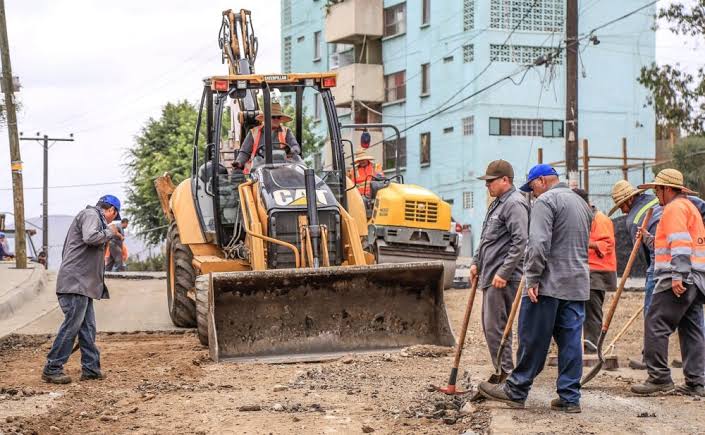
Drive through almost any part of Houston right now and you’ll see cranes. New apartment complexes, mixed-use developments, warehouses, and single-family subdivisions are going up faster than at almost any point in the city’s recent history. For property owners, developers, and real estate professionals, that growth is good news. It means demand, opportunity, and a stronger local market.
But there’s a side effect that doesn’t get talked about as much: job site safety hasn’t kept pace with the pace of construction itself. As more projects break ground and timelines get tighter, the risk of accidents on and around these sites is climbing too. That matters not just for the workers swinging hammers, but for property owners, general contractors, and anyone managing a site where multiple companies are working at once.
A City Building Faster Than It Can Staff
Houston’s growth has pulled in construction crews from across the region, and many projects now rely heavily on subcontracted labor to hit deadlines. That’s not unusual in the industry, but it does create a specific kind of pressure. Crews are often working on unfamiliar sites, under different supervisors, with different safety protocols than they’re used to.
When a project moves quickly, safety briefings can get shortened. Equipment gets shared between crews who aren’t trained on the same machines. Scaffolding and fall protection sometimes get installed under time pressure rather than careful inspection. None of this is intentional negligence in most cases. It’s simply what happens when volume outpaces oversight.
Why More Projects Mean More Risk
It seems obvious that more construction activity leads to more opportunities for accidents, but the relationship isn’t just about volume. Rapid growth changes the composition of job sites themselves. A single development might involve a general contractor, several subcontractors, an electrical crew, a plumbing team, and independent equipment operators, all moving through the same physical space on different schedules.
Falls remain one of the most common injuries on active construction sites, along with being struck by equipment or falling materials, and injuries tied to trenching or excavation work. When a site has more moving parts and more people who don’t normally work together, communication gaps widen. A worker might not know that a crane is operating overhead, or a delivery driver might walk through an area that hasn’t been cleared.
The Multi-Contractor Liability Problem
This is where things get complicated for anyone connected to a construction site, whether they own the property, manage it, or simply lease space nearby. When an accident happens on a site with several contractors present, figuring out who is legally responsible is rarely straightforward.
Who Was Actually in Control of the Area?
Responsibility often comes down to which company had control over the specific area where the injury occurred at the time it happened. A general contractor might oversee the overall site, but a subcontractor could have exclusive responsibility for a fenced-off section, a piece of equipment, or a temporary structure. That distinction matters a great deal when a claim gets filed.
Was It a Worker or a Third Party?
An injured construction worker typically has a different legal path than a delivery driver, inspector, or passerby who gets hurt on or near an active site. Workers’ compensation rules cover many on-site employees, but that coverage doesn’t always extend to independent contractors or visitors, which is part of why premises liability questions come up so often on active job sites.
For property owners and managers trying to understand how liability gets assigned when someone outside the direct construction crew is injured, this guide to premises liability responsibilities for Houston property owners breaks down what courts typically look at, including maintenance history, prior complaints, and whether hazards were reasonably addressed.
What This Means for Property Owners and Managers
If you own or manage property that’s under development or sits near active construction, you likely have more exposure than you realize. Even if you’ve hired reputable contractors and assume the work is being handled correctly, liability doesn’t always stop at the contractor’s door. Courts often look at whether a property owner knew, or reasonably should have known, about hazardous conditions and failed to act.
A few habits can meaningfully reduce that exposure. Requiring proof of insurance and safety certification from every contractor and subcontractor on a project is a basic first step. Regular site walkthroughs, even brief ones, help catch problems like unmarked hazards or blocked emergency exits before they turn into incidents. Documenting these walkthroughs also matters, since a written record can make a real difference if a dispute ever arises.
It also helps to have a clear chain of communication so everyone on site, from the general contractor down to individual crew leads, knows who to notify if something looks unsafe. Vague reporting structures are one of the most common gaps found after an accident investigation.
Common Injuries as Development Accelerates
Not every construction injury makes headlines, but the pattern of what causes them tends to repeat across fast-growing markets like Houston. Falls from ladders, scaffolding, or unfinished floors are consistently among the most frequent. Overexertion and repetitive strain injuries also climb when crews are working longer hours to keep up with demand.
Equipment-related injuries, including being struck by vehicles or machinery on a busy site, tend to rise as more equipment operators share the same limited space. Trench collapses and excavation accidents, while less common, are often among the most severe when they do occur, largely because proper shoring and inspection can get skipped under time pressure.
Understanding how these cases typically get evaluated, from documenting the scene to identifying every party that may share responsibility, is covered in more detail in this overview of how construction accident injury claims are handled in Houston, which is a useful reference for anyone trying to understand the process from either side of a claim.
The Mental Health Cost of Working at This Pace
Physical injuries get most of the attention, but the same pressures driving Houston’s construction boom are also taking a toll on workers’ mental health. Long hours, compressed deadlines, and constant schedule changes create chronic stress, and chronic stress is one of the biggest hidden contributors to job site accidents in the first place. A fatigued or anxious worker is simply more likely to miss a hazard, misjudge a step, or rush a task that needed more care.
This isn’t just a wellness issue for the crews involved. Employers and property owners can carry legal exposure when workplace stress goes unaddressed and contributes to an incident, and this resource on employer liability tied to workplace mental health risk outlines the duties employers have, the legal risks involved, and practical steps for reducing that exposure.
For general contractors and property managers juggling multiple crews at once, building basic mental health awareness into a safety program isn’t an added expense so much as a preventive one. A crew that’s given reasonable hours, clear expectations, and room to raise concerns without fear of falling behind schedule tends to make fewer costly mistakes, on top of simply being a healthier place to work.
Balancing Growth With Responsibility
None of this means Houston’s growth is a bad thing. New development brings housing, jobs, and long-term value to neighborhoods across the city. The challenge is making sure safety planning grows at the same rate as the projects themselves, rather than being treated as something to catch up on later.
For real estate professionals, property managers, and developers, that means building safety oversight into project timelines from the start rather than treating it as a compliance checkbox. Small investments in inspection, training, and clear communication tend to cost far less than the disruption and liability that follow a serious on-site accident.
Final Thoughts
Houston’s construction boom isn’t slowing down anytime soon, and that’s mostly a good sign for the city’s economy. But growth at this pace puts more pressure on the systems meant to keep job sites safe, and property owners and managers are often more exposed than they expect when something goes wrong. Staying informed about how liability actually works on multi-contractor sites is one of the simplest ways to stay ahead of the risk rather than reacting to it after the fact.
