



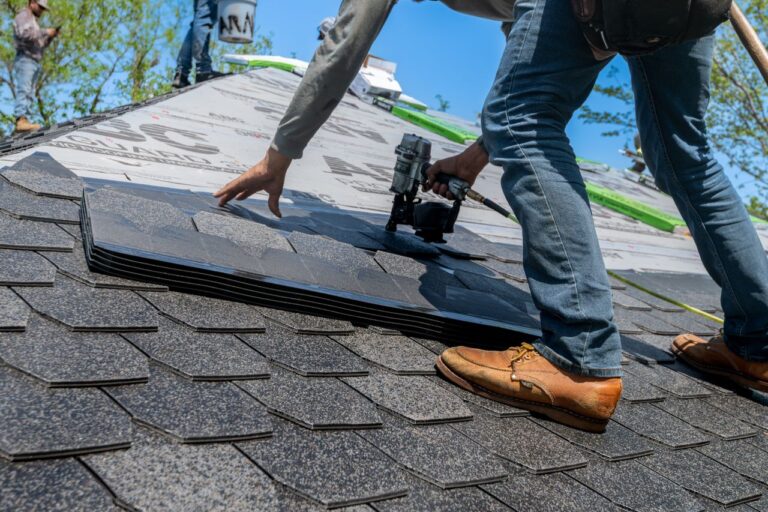
When homeowners receive a roof replacement estimate, the price can vary dramatically from one contractor to another. Understanding what drives these costs helps you make informed decisions and avoid overpaying for necessary work. A roof replacement represents one of the largest home improvement expenses you may face, so knowing the factors that influence pricing is essential for budgeting effectively.
1. Roofing Material Selection
The type of material you choose for your new roof is often the single largest cost driver in any replacement project. Asphalt shingles represent the most affordable option and remain the most common choice for residential homes across North America. More durable materials like metal roofing, wood shakes, or slate tiles carry significantly higher price tags but offer extended lifespans that can justify the initial investment over decades.
The quality grade within each material category also affects pricing substantially. For example, architectural shingles cost more than basic three-tab asphalt shingles but provide better aesthetics and longer warranties. Premium materials such as copper or clay tiles can add tens of thousands of dollars to a project compared to standard asphalt alternatives. When evaluating material costs, consider both the upfront expense and how long the material will last before requiring replacement again.
2. Roof Size and Complexity
The square footage of your roof directly correlates with labor and material expenses, making roof size a primary cost factor. A larger roof requires more materials and more hours of labor, driving up the total project cost proportionally. However, roof complexity matters just as much as total size. A roof with multiple peaks, valleys, dormers, and skylights demands more skilled labor and creates greater installation challenges than a simple rectangular roof design.
Steep roof pitches also increase costs because they require special safety equipment and slower installation methods. Workers must use additional fall protection gear on steeper angles, and the physical demands of working on an inclined surface reduce productivity. A contractor may need to spend twice as long installing materials on a steeply pitched roof compared to a gently sloping one. If your home has architectural features that complicate the roof design, expect to pay more for the expertise required to properly install the new system.
3. Roof Condition and Underlying Damage
Before a new roof can be installed, contractors must often address damage to the underlying roof structure. If your home has wood rot, water damage, or structural deterioration beneath the existing roof, those repairs add substantial costs to your replacement project. Some homeowners discover during removal that rafters, decking, or trusses require replacement, which extends the project timeline and increases labor expenses.
The condition of your home’s ventilation system may also need assessment and repair before the new roof is installed. Improper ventilation can lead to premature roof failure and shorten the lifespan of your new installation. Contractors sometimes recommend installing additional ventilation systems or moisture barriers to ensure optimal performance. These preventive measures increase the upfront cost but protect your investment by reducing the risk of future problems.
4. Geographic Location and Local Labor Rates
Where you live significantly influences roof replacement pricing, as labor costs and material availability vary by region. Urban areas typically have higher labor rates than rural communities, reflecting differences in cost of living and contractor demand. Regions that experience severe weather conditions, such as coastal areas prone to hurricanes or northern climates with heavy snow loads, may have stricter building codes that increase installation requirements and costs.
Some geographic areas have limited availability of certain roofing materials, which can drive prices up due to transportation costs and reduced supplier competition. Contractors in regions with short construction seasons may charge more due to compressed scheduling and high demand during optimal weather windows. Local permit requirements and inspection fees also vary by location and municipality. When comparing contractor quotes, account for these geographic variables to understand whether price differences reflect regional economics or contractor variance.
5. Removal and Disposal of the Old Roof
The cost of removing and disposing of your existing roof is a significant line item that many homeowners overlook when budgeting. Single-layer roof removal is relatively straightforward, but homes with multiple layers of old roofing require significantly more labor and disposal expenses. Each additional layer that must be torn off adds hours to the project and increases hauling fees for the roofing waste.
Disposal costs vary based on local landfill fees and whether the roofing contractor can recycle certain materials like metal flashing. Some jurisdictions have implemented recycling programs for asphalt shingles, which can affect disposal pricing in your area. Homeowners who need to budget accurately for the full scope of their project often rely on Roofing replacement professionals to provide transparent cost breakdowns that include disposal and recycling fees. Additional charges may apply if asbestos is discovered in older roofing materials, as specialized removal procedures and certified contractors become necessary. Understanding your local disposal options helps you anticipate these costs and evaluate contractor bids more accurately.
Conclusion
Roof replacement costs depend on a combination of factors working together, rather than any single element determining the final price. Material selection, roof size and complexity, underlying structural condition, geographic location, and removal expenses collectively shape what you will pay for your new roof. By understanding each of these factors, you can ask informed questions when obtaining contractor estimates and recognize whether quoted prices align with industry standards in your area. Taking time to evaluate all cost factors before committing to a project ensures you receive fair pricing and make choices that best suit your home’s needs and your budget constraints.
