



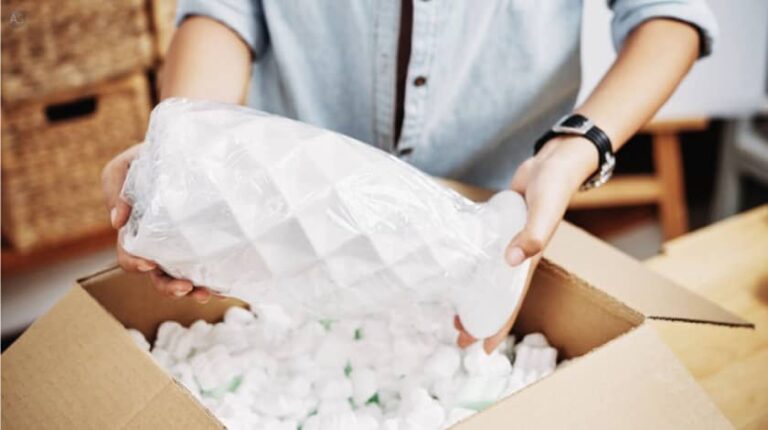
Moving fragile items requires careful planning, proper packing techniques, and responsible handling to ensure valuable belongings arrive safely at their destination. Unlike ordinary household items, fragile possessions can easily break, crack, or become damaged if they are not packed and transported correctly. Items such as glassware, artwork, antiques, electronics, mirrors, collectibles, musical instruments, and delicate furniture require special attention throughout the entire moving process.
Many people underestimate the challenges involved in transporting fragile belongings. A small mistake during packing or loading can result in expensive damage or the permanent loss of sentimental items. Whether you are relocating your home, moving an office, transporting valuable collections, or preparing items for storage, understanding the correct methods for protecting fragile possessions is essential.
Professional moving techniques focus on reducing risks through careful preparation, high-quality packing materials, and experienced handling. With the right approach, fragile items can be transported efficiently while maintaining their original condition. Proper planning not only protects your belongings but also reduces stress during the moving process.
Understanding the Challenges of Fragile Item Moving
Fragile items require a different approach compared to regular household goods because they are more vulnerable to impact, pressure, vibration, and environmental changes. While sturdy furniture can often handle minor bumps during transportation, delicate belongings may suffer immediate damage from even small accidents.
One of the biggest challenges is identifying which items require special protection. Some objects may appear durable but contain sensitive components that can break easily. For example, electronic devices may have delicate internal parts, while decorative items may have weak joints or fragile surfaces.Another challenge is ensuring that fragile items remain secure throughout the entire journey. Items can shift inside boxes during transportation, creating pressure points that lead to cracks or breakage. Proper packing methods help prevent movement and provide cushioning against unexpected impacts.
Why Professional Fragile Item Moving Services Are Important
Professional movers understand the risks associated with transporting delicate possessions. They have experience handling different types of fragile items and know the best methods for packing, loading, and transporting them safely.One major advantage of hiring experienced professionals is access to specialized materials and equipment. Professional movers use high-quality packing supplies such as protective padding, custom boxes, wrapping materials, and secure containers designed to protect valuable belongings.
Expert movers also understand weight distribution and placement strategies. Fragile boxes should not simply be stacked randomly inside a moving vehicle. Proper positioning helps prevent crushing, shifting, and accidental damage during transportation.Preparation plays a major role in protecting delicate belongings. Before packing begins, it is important to organize items based on their material, size, and level of sensitivity. This allows each item to receive the appropriate protection.
A detailed inventory can be helpful, especially when moving valuable collections or large numbers of fragile objects. Recording items and their condition before the move provides better organization and makes it easier to identify any issues after transportation.Cleaning fragile items before packing can also be beneficial. Removing dust and debris prevents scratches during wrapping and ensures that items are stored in proper condition.
Choosing the Right Packing Materials
The quality of packing materials has a significant impact on the safety of fragile items. Using old newspapers or thin materials may not provide enough protection for valuable belongings. Strong, reliable materials are necessary to absorb shocks and prevent movement.Bubble wrap is commonly used for protecting glass, ceramics, electronics, and decorative objects. It creates a cushioning layer that reduces the impact of bumps during transportation. Packing paper is also useful for wrapping smaller items and filling empty spaces inside boxes.
Strong cardboard boxes, specialty containers, foam inserts, and protective covers provide additional security. For extremely valuable or unusual items, custom packing solutions may be the best option.Correct packing methods are essential for preventing damage. Each fragile item should be wrapped individually to avoid contact between objects. When multiple items are placed together without protection, they may collide and break during movement.
Boxes should be filled carefully, leaving no large empty spaces where items can shift. However, they should not be overfilled because excessive pressure can damage delicate objects.Heavier fragile items should generally be placed at the bottom of boxes, while lighter items should remain on top. Clear labeling helps movers identify boxes that require extra care and prevents accidental mishandling.
Moving Different Types of Fragile Items
Different fragile belongings require different handling methods. Glass items such as mirrors, dishes, and decorative pieces need strong wrapping and secure placement to prevent cracks and scratches.
Artwork and antiques require additional protection because their value often comes from both their condition and uniqueness. These items may require specialized wrapping, temperature considerations, and careful transportation methods.Electronics also require attention because they contain sensitive internal components. Original packaging is often ideal, but professional packing methods can provide protection when original boxes are unavailable.
Musical instruments require special handling because their structure and performance can be affected by movement. Instruments such as pianos, guitars, and other delicate equipment need appropriate support and protection.Loading is one of the most important stages of fragile item transportation. Even properly packed items can become damaged if they are loaded incorrectly.
Fragile boxes should be placed strategically inside the moving vehicle. They should not be positioned where heavy items can fall onto them or where excessive movement may occur.Professional movers use secure placement techniques to keep boxes stable during transportation. Straps, padding, and careful arrangement help prevent shifting while the vehicle is moving.Communication between movers is also essential during loading. Team members should clearly identify fragile items and handle them with appropriate care.
Protecting Fragile Items During Transportation
The journey itself can create several risks for delicate belongings. Road vibrations, sudden stops, and uneven surfaces can cause items to move or experience pressure.
A properly prepared moving vehicle should provide enough space for secure placement and protection. Items should be positioned to minimize movement and prevent contact with hard surfaces.
Weather conditions can also affect fragile belongings. Extreme temperatures, moisture, and humidity may damage certain materials. Professional movers consider these factors when planning transportation.One common mistake is using insufficient packing materials. Saving money on packing supplies can lead to expensive damage if items are not properly protected.Another mistake is placing too many fragile items in one box. Overpacking creates pressure and increases the chance of breakage. Using appropriately sized boxes helps provide better protection.
Many people also forget to label fragile boxes clearly. Without proper identification, boxes may be handled incorrectly during loading and unloading.Attempting to move highly valuable or extremely delicate items without professional assistance can also create unnecessary risks. Experience and proper equipment make a significant difference when protecting sensitive belongings.
Benefits of Hiring Professional Fragile Item Movers
Professional fragile item movers provide expertise that can make the entire moving process safer and more efficient. Their experience allows them to identify risks and apply suitable protection methods.
Hiring professionals also saves time. Packing fragile items correctly can be a lengthy process, especially when dealing with large collections or valuable possessions. Experienced movers can complete the task efficiently while maintaining high safety standards.Another benefit is reduced stress. Knowing that delicate belongings are being handled by trained professionals provides peace of mind throughout the relocation process.
Choosing the right moving company requires careful research. Experience with fragile belongings should be one of the most important factors considered. A company that regularly handles delicate items is more likely to understand proper protection methods.Customer reviews and recommendations can provide valuable information about service quality. Positive feedback from previous clients can help identify reliable professionals.
Insurance coverage is also important. A responsible moving company should have appropriate protection measures in place to provide confidence when transporting valuable belongings.Clear communication is another sign of professionalism. A trustworthy company should explain the moving process, answer questions, and provide guidance about preparation and packing.
Conclusion
Once fragile items arrive at their destination, they should be inspected carefully. Checking belongings immediately helps identify any damage that may have occurred during transportation.Items should be unpacked slowly and carefully. Removing wrapping materials too quickly can accidentally damage delicate surfaces.
Keeping an inventory list makes it easier to confirm that all fragile belongings have arrived safely. For valuable items, photographs taken before and after the move can provide useful documentation.Fragile item moving requires attention, preparation, and specialized care. Delicate belongings cannot be treated like ordinary household items because they require additional protection against impacts, pressure, and movement.
From selecting proper packing materials to using safe transportation methods, every step contributes to successful relocation. Professional movers provide the experience, equipment, and knowledge needed to protect valuable possessions throughout the moving process.
Whether you are relocating a home, office, or personal collection, careful planning ensures that fragile belongings arrive safely. By using proper techniques and choosing experienced professionals, you can protect your valuable items and enjoy a smoother, more secure moving experience.
