



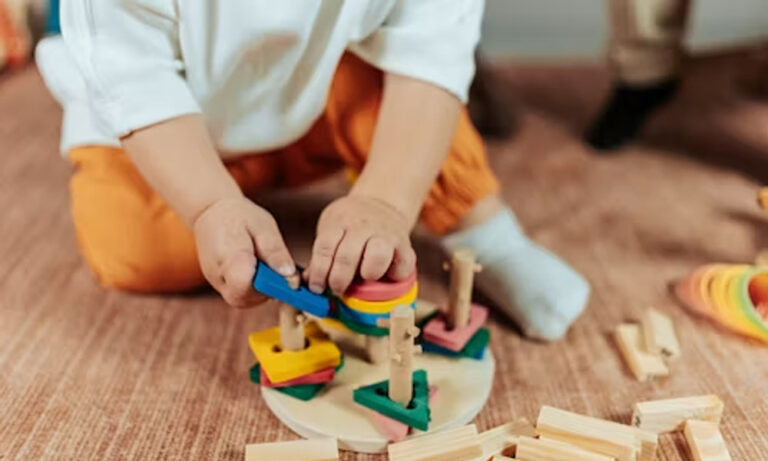
Play is the natural language of childhood. For children with autism spectrum disorder (ASD), it can also be one of the most powerful tools for growth, connection, and healing.
Play-based therapy meets children exactly where they are, turning everyday fun into meaningful progress.
What Is Play-Based Therapy?
“Play-based therapy is a structured yet flexible approach that uses play activities to help children develop social, emotional, and communication skills,” says Helping Hands Family, a healthcare organization providing ABA therapy services in Maryland.
Therapists trained in this method create a safe and engaging environment where children can explore, express, and learn without the pressure of traditional instruction.
It is not just free playtime. Sessions are intentionally designed around each child’s unique needs and goals. A therapist might use toys, games, storytelling, or movement to guide a child toward specific developmental milestones in a way that feels natural and enjoyable.
Why It Works So Well for Autistic Children
Children with autism often face challenges with communication, social interaction, and sensory processing. Traditional talk-based therapies can feel overwhelming or confusing for many of them. Play removes that barrier entirely.
When a child is engaged in something they enjoy, their brain is more open to learning. Play lowers anxiety, builds trust between the child and therapist, and creates repeated opportunities to practice new skills in a low-pressure setting. Over time, these small moments of practice add up to real, lasting change.
Research consistently supports this. Studies show that play-based interventions improve social communication, reduce challenging behaviors, and boost overall quality of life for autistic children. Parents and caregivers often notice the difference too, both in therapy sessions and at home.
Common Types of Play-Based Therapy
There are several approaches that fall under the umbrella of play-based therapy, each with its own style and focus.
Floortime (DIR/Floortime)
This is a child-led model developed by Dr. Stanley Greenspan. The therapist or parent follows the child’s lead during play, then gently challenges them to grow emotionally and intellectually. It is especially effective for building emotional connections and two-way communication.
Play Therapy
This involves a licensed therapist guiding the child through structured or unstructured play to work through emotional challenges. It helps children process feelings they may not be able to express in words.
Integrated Play Groups (IPG)
This brings autistic children together with neurotypical peers in guided play settings. A trained guide supports meaningful interactions between the children, helping autistic kids practice social skills in a real, natural way.
Naturalistic Developmental Behavioral Interventions (NDBIs)
Like JASPER and ESDM combine play-based strategies with behavioral science. They focus on joint attention, social engagement, and language development through child-friendly activities.
What a Typical Session Looks Like
Every session looks different depending on the child, the therapist, and the goals in place. However, most sessions share a similar flow.
The therapist begins by observing how the child naturally engages with the environment. They take note of what captures the child’s attention, what brings them joy, and where they may feel frustrated or withdrawn.
From there, the therapist uses those interests as entry points. If a child loves trains, the session might involve building tracks, sorting colors, or pretending to be a conductor. Each activity is quietly layered with opportunities to practice eye contact, turn-taking, or verbal communication.
Sessions typically last between 30 and 60 minutes. Consistency matters a great deal here. Regular sessions over weeks and months allow children to build on previous progress and develop a trusting relationship with their therapist.
The Role of Parents and Caregivers
Parents are not just spectators in play-based therapy. They are essential partners in the process. Many therapists actively involve parents during sessions or coach them afterward on how to continue similar play at home.
This is where the real magic happens. When caregivers learn to engage with their child using play-based techniques, the therapy extends far beyond the clinic walls. Everyday moments like bath time, car rides, and mealtimes become opportunities for connection and skill-building.
Therapists often provide parents with simple strategies to try at home:
- Follow your child’s lead during play instead of directing the activity
- Narrate actions out loud to encourage language development
- Celebrate small wins like making eye contact or sharing a toy
- Use your child’s favorite characters or games as learning tools
- Create predictable routines around play to reduce anxiety
- Limit distractions during focused play time
- Addressing Common Concerns
Some parents worry that play-based therapy is too informal or that their child will not take it seriously. This is understandable, but it is worth remembering that seriousness and effectiveness do not always look the same in children.
A child who appears to be simply playing is often working incredibly hard. They are processing sensory input, interpreting social cues, regulating emotions, and practicing communication, all at once. The playful setting makes it possible for them to do this without shutting down from stress.
Another common concern is cost and access. Quality therapy can be expensive, and not every family has easy access to trained professionals. If this is a challenge for your family, it is worth speaking with your child’s pediatrician or school about available resources, insurance coverage, or community-based programs that offer these services.
Signs That Play-Based Therapy Is Making a Difference
Progress in autism therapy is rarely dramatic or sudden. It tends to show up in quiet, meaningful ways. Parents might notice:
Their child begins initiating play with a sibling instead of playing alone. They start using more words, even simple ones, to express what they want. Meltdowns become less frequent or shorter in duration. Their child holds eye contact for a moment longer than before.
These may seem like small steps, but for a child with autism, they represent enormous leaps. Every bit of progress deserves recognition.
A Final Word
Play-based therapy is not a cure for autism, nor does it need to be. It is a compassionate, evidence-based approach that respects who autistic children are while helping them build the skills to navigate the world more confidently.
When we honor a child’s natural way of engaging with the world and meet them there with warmth and intention, incredible things begin to happen. Play has always been how children learn best. For autistic children, it may also be how they grow most freely.
