



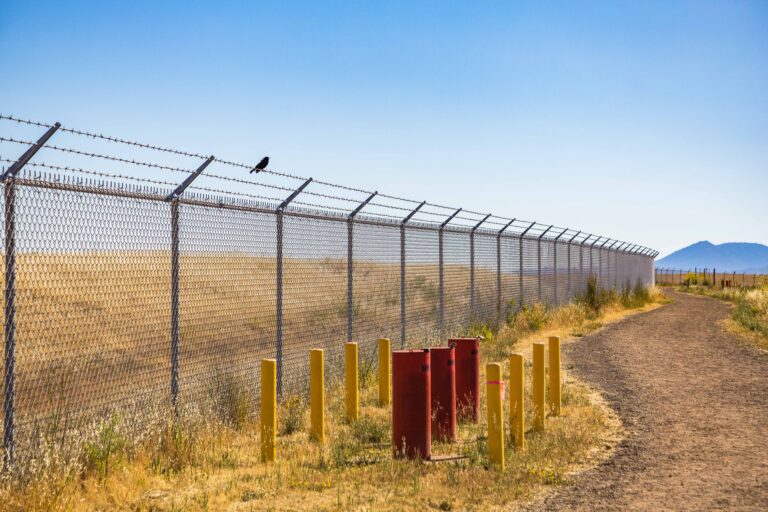
Security has become a major concern for both residential and commercial property owners, especially in environments where protecting assets, ensuring privacy, and controlling access are essential. One of the most effective and widely used solutions for physical protection is a well-planned fencing system. A properly designed and installed security fence does far more than mark boundaries; it creates a strong physical barrier that discourages unauthorized access, enhances safety, and adds structure to a property’s perimeter. Understanding how security fencing works, what options are available, and how professional installation is carried out can help property owners make informed decisions that improve long-term protection and value.
Security fencing is not a one-size-fits-all solution. It is a carefully designed system that depends on the purpose of the property, level of risk, environmental conditions, and budget considerations. Some properties require high-level perimeter security with reinforced materials and surveillance integration, while others may only need moderate protection combined with visual deterrence and controlled entry points. Regardless of the application, the goal remains the same: to establish a reliable boundary that enhances safety while maintaining functionality and durability.
Understanding the Purpose of Security Fencing
A security fence serves multiple roles depending on the environment in which it is installed. At its core, it acts as a physical barrier designed to prevent unauthorized entry and define property limits clearly. However, modern fencing systems also provide psychological deterrence, making it less likely for intruders to attempt access when they see a strong and well-maintained perimeter.
In residential settings, fencing helps protect families, children, and pets while also providing privacy from surrounding areas. In commercial or industrial environments, security fencing plays a more critical role by safeguarding equipment, inventory, and sensitive areas from theft or vandalism. Government facilities, utility sites, and restricted zones often use advanced fencing systems integrated with surveillance and access control technologies to maintain strict security protocols.
Beyond protection, fencing also helps organize property layout, control movement, and establish clear entry and exit points. This level of control is essential for managing visitors, employees, deliveries, and emergency access.
Types of Security Fencing Systems
There are several types of fencing systems available, each offering different levels of security, durability, and appearance. The selection depends on the intended use, environmental exposure, and required level of protection.
Chain-link fencing is one of the most commonly used security options due to its affordability, durability, and visibility. It provides a strong physical barrier while allowing clear sightlines, which can be beneficial for surveillance purposes. When enhanced with barbed wire or privacy slats, its security level increases significantly.
Wrought iron fencing is often chosen for properties that require both security and aesthetic appeal. Its strong metal construction makes it difficult to breach, while its decorative designs allow property owners to maintain visual elegance without compromising protection.
Steel panel fencing offers a higher level of security due to its solid construction and resistance to cutting or climbing. These systems are commonly used in industrial and high-risk environments where stronger barriers are necessary.
Wooden security fencing provides privacy and a natural appearance, though it typically requires additional reinforcement to achieve higher security levels. When properly treated and maintained, it can serve as a reliable barrier for residential properties.Electric fencing and advanced integrated systems are used in high-security environments. These systems may include alarms, motion sensors, and surveillance cameras that work together to detect and deter unauthorized access.
Planning a Security Fence Installation
Proper planning is essential before beginning any fencing project. The first step involves assessing the property layout and identifying vulnerable areas that require protection. This includes entry points, blind spots, perimeter boundaries, and areas where additional reinforcement may be needed.
Property owners must also consider the purpose of the fence. A residential fence designed for privacy will differ significantly from a commercial security perimeter designed to prevent intrusion. Understanding the intended function helps determine the appropriate materials, height, design, and additional security features.
Local regulations and zoning requirements must also be reviewed before installation. Many areas have specific guidelines regarding fence height, placement, and materials. Compliance with these rules ensures that the installation is legally approved and avoids future complications.
Budget planning is another important aspect of preparation. Costs vary depending on material type, fence length, terrain conditions, and additional security features such as gates or surveillance integration.
The Installation Process
The installation of a security fence involves several structured steps that ensure durability, alignment, and long-term performance. The process typically begins with site preparation, which includes clearing vegetation, leveling the ground, and marking the fence line accurately.
Once the layout is established, posts are installed at regular intervals. These posts serve as the foundation of the fence and must be anchored securely into the ground using concrete or other stabilizing materials. Proper alignment is critical at this stage to ensure the fence remains straight and stable.
After the posts are set, the fencing material is attached. Depending on the type of fence, this may involve securing chain-link mesh, fastening metal panels, or assembling wooden sections. Each component must be installed with precision to prevent gaps or weak points that could compromise security.
Gates are then installed at designated entry points. These gates often include locking mechanisms, access controls, or automated systems depending on the level of security required.Finally, a thorough inspection is conducted to ensure structural integrity, alignment, and overall functionality. Any adjustments are made before the project is considered complete.
Enhancing Security with Additional Features
Modern fencing systems often incorporate additional features to enhance protection and monitoring capabilities. Surveillance cameras are commonly installed along fence lines to provide continuous monitoring of the perimeter. These systems can be integrated with alarms that trigger alerts when movement is detected near restricted areas.
Motion sensors and lighting systems are also effective in improving visibility and deterrence. Well-lit perimeters reduce hiding spots and make unauthorized access more difficult.Barbed wire or razor wire is sometimes added to increase physical deterrence, particularly in industrial or high-security environments. These additions significantly reduce the likelihood of climbing attempts.
Access control systems, such as keypads, card readers, or biometric scanners, are often used at entry points to regulate who can enter and exit the property.
Maintenance and Long-Term Performance
Like any structural system, security fencing requires regular maintenance to ensure long-term performance. Routine inspections help identify issues such as rust, loose components, damaged panels, or weakened posts. Addressing these problems early prevents more significant structural failures.
Metal fences may require protective coatings to prevent corrosion, especially in environments exposed to moisture or extreme weather conditions. Wooden fences need periodic treatment to protect against rot, insects, and weather damage.Vegetation should be kept clear from fence lines to prevent obstruction and reduce potential weak points. Gates and locking mechanisms should also be checked regularly to ensure smooth operation.Proper maintenance not only extends the lifespan of the fence but also ensures that security levels remain consistent over time.
While some property owners may consider DIY fencing, professional installation offers significant advantages in terms of quality, safety, and reliability. Experienced installers understand how to assess terrain conditions, select appropriate materials, and ensure proper alignment and stability.Professional teams also have access to specialized tools and equipment that improve installation accuracy and efficiency. This results in a stronger, more durable fence that performs better over time.
Conclusion
Security fencing plays a vital role in protecting properties, controlling access, and enhancing overall safety. Whether used in residential, commercial, or industrial environments, a properly designed system provides a strong physical and visual barrier against unauthorized entry. The effectiveness of a fence depends not only on the materials used but also on careful planning, precise installation, and ongoing maintenance.
A professionally executed security fence installation ensures durability, functionality, and long-term protection. By selecting the right fencing type, incorporating additional security features, and maintaining the system regularly, property owners can significantly improve the safety and value of their premises while creating a secure and well-defined perimeter.
Additionally, professionals are familiar with local regulations and ensure that installations comply with legal requirements. This reduces the risk of future modifications or penalties.A well-installed security fence provides long-term peace of mind, knowing that the property is protected by a properly engineered system.
