



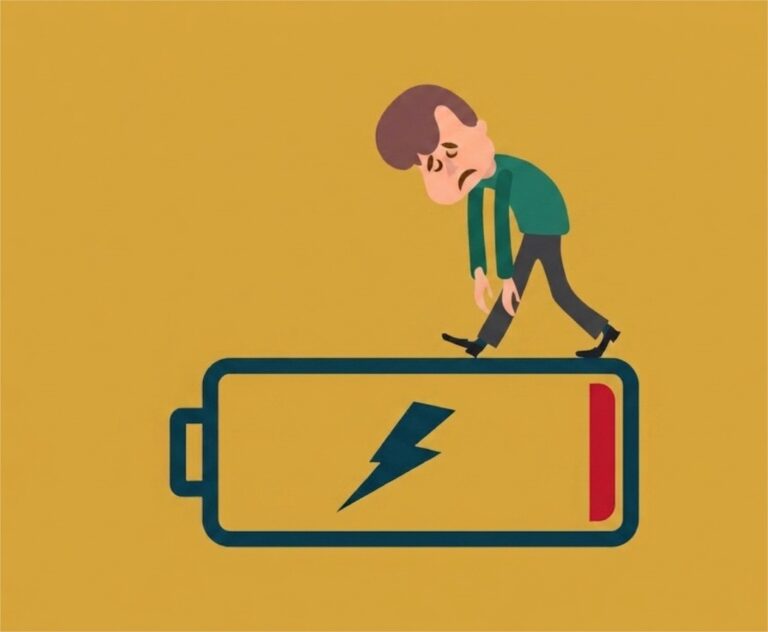
Feeling exhausted after a stressful week is something almost everyone experiences from time to time. Long work hours, emotional stress, poor eating habits, and lack of proper rest can all leave you feeling drained. However, there is a major difference between ordinary tiredness and a deeper energy imbalance that slowly affects both the body and mind. When your energy reserves remain low for extended periods, your body begins sending signals that should never be ignored.
These warning signs may appear gradually at first. You might notice difficulty concentrating, increased irritability, or a constant desire for caffeine just to get through the day. Over time, these symptoms can grow stronger and interfere with your productivity, emotional health, and physical recovery. Learning how to recognize these patterns early can help you restore balance before chronic exhaustion takes over your daily life.
Struggling to Wake Up Feeling Refreshed
One of the earliest signs of low energy is waking up tired even after spending enough hours in bed. Many people assume that sleeping longer automatically means better recovery, but that is not always true. Your body needs quality sleep, not just quantity. If your sleep cycle becomes disrupted, your body may fail to enter a proper deep sleep state, which is essential for physical restoration and mental recovery.
Simple Physical Tasks Leave You Completely Drained
Low energy levels often become obvious during physical activity. Everyday tasks like climbing stairs, carrying groceries, or completing a short workout may suddenly feel far more exhausting than usual. Instead of recovering quickly, you might remain sore or fatigued for an unusually long time afterward.
This prolonged recovery may indicate that your cells are struggling to produce enough energy efficiently. Poor nutrition, chronic stress, inflammation, and lack of quality sleep can all reduce your body’s ability to recover properly. Many people try pushing harder through exhaustion, but excessive physical strain can worsen the problem instead of fixing it.
During periods of low energy, gentle movement often works better than intense exercise. Activities like stretching, yoga, or walking can support circulation and recovery without placing excessive stress on the nervous system. Listening to your body instead of ignoring it is one of the most important steps toward rebuilding sustainable energy.
Brain Fog and Poor Focus Throughout the Day
The brain uses a massive amount of the body’s energy every single day. When your energy reserves become depleted, mental performance is often one of the first things affected. Brain fog may show up as forgetfulness, difficulty concentrating, slower thinking, or trouble finding the right words during conversations.
This mental sluggishness can feel incredibly frustrating because even simple tasks begin requiring more effort than usual. Chronic stress, dehydration, poor diet, and sleep disruption can all contribute to cognitive fatigue. Nutrient deficiencies involving iron, magnesium, or omega-3 fatty acids may also reduce mental clarity and focus.
Staying hydrated and consuming nutrient-rich foods can help improve brain function naturally. Foods like salmon, walnuts, spinach, eggs, and berries provide nutrients that support cognitive health and steady energy production. Prioritizing proper sleep and stress management also plays a major role in reducing brain fog over time.
Constant Cravings for Sugar and Coffee
If you constantly rely on sugary snacks or multiple cups of coffee just to stay awake, your body may already be running on low energy reserves. When energy levels drop, the brain naturally searches for fast fuel sources that can deliver quick stimulation. Unfortunately, these temporary fixes often create a cycle of energy spikes followed by even stronger crashes.
Sugary foods and caffeine may provide short bursts of alertness, but they rarely solve the underlying issue. Blood sugar fluctuations can increase fatigue, irritability, and cravings later in the day. This creates a frustrating pattern where the body becomes increasingly dependent on stimulants to function normally.
Balanced meals containing protein, healthy fats, and complex carbohydrates help stabilize energy more effectively. Instead of processed snacks, choosing foods like nuts, fruit, oats, or yogurt can provide more sustained fuel throughout the day. Small dietary changes often make a surprisingly big difference in overall energy stability.
Increased Irritability and Emotional Sensitivity
When your body becomes exhausted, emotional resilience often decreases as well. You may find yourself reacting more strongly to small inconveniences or feeling overwhelmed by situations that normally would not bother you. Mood swings, frustration, anxiety, and emotional exhaustion are all common signs that your nervous system may be under excessive strain.
Chronic stress keeps the body in a heightened state of alertness, which can interfere with emotional balance. Elevated cortisol levels affect not only physical energy but also mood regulation and mental well-being. Over time, even small stressors can begin feeling emotionally draining.
Simple relaxation techniques can help calm the nervous system and improve emotional stability. Deep breathing exercises, mindfulness practices, and short periods of quiet reflection can reduce stress hormone activity and help restore mental balance. Protecting emotional health is just as important as supporting physical recovery.
Getting Sick More Often Than Usual
A weakened immune system is another strong indicator that your body’s energy reserves are too low. Fighting infections, healing tissues, and controlling inflammation all require significant amounts of energy. When the body becomes chronically depleted, immune defenses may weaken, making it easier to catch colds or struggle with prolonged recovery from illnesses.
Poor sleep, high stress levels, and nutritional deficiencies can all suppress immune function over time. This is why individuals experiencing chronic fatigue often notice that they become sick more frequently than before. Their bodies simply lack the resources needed to maintain strong immune protection.
Eating a diet rich in vegetables, fruits, vitamins, and minerals can help support immune health naturally. Nutrients like vitamin C, zinc, and vitamin D play important roles in immune regulation and energy production. Staying hydrated and prioritizing sleep are equally important for long-term recovery and resilience.
Everyday Responsibilities Feel Overwhelming
Perhaps the clearest sign of severe energy depletion is when ordinary tasks start feeling impossible. Cooking dinner, replying to emails, cleaning the house, or handling daily responsibilities may suddenly feel mentally and physically exhausting. This overwhelming heaviness often goes far beyond simple laziness or lack of motivation.
At this stage, the body and nervous system may be struggling under excessive stress and metabolic imbalance. Chronic exhaustion can affect both physical stamina and mental capacity, making even small tasks feel emotionally draining. Ignoring these symptoms for too long can eventually lead to deeper burnout and reduced quality of life.
Breaking tasks into smaller steps can help reduce feelings of overwhelm. Instead of focusing on finishing everything at once, completing one small action at a time makes responsibilities feel more manageable. For people experiencing severe and ongoing fatigue, seeking professional support may also become necessary. Exploring options such as chronic fatigue treatment in Albuquerque can help identify underlying causes like hormonal imbalance, post-viral fatigue, or chronic inflammation while creating a more personalized recovery plan.
