



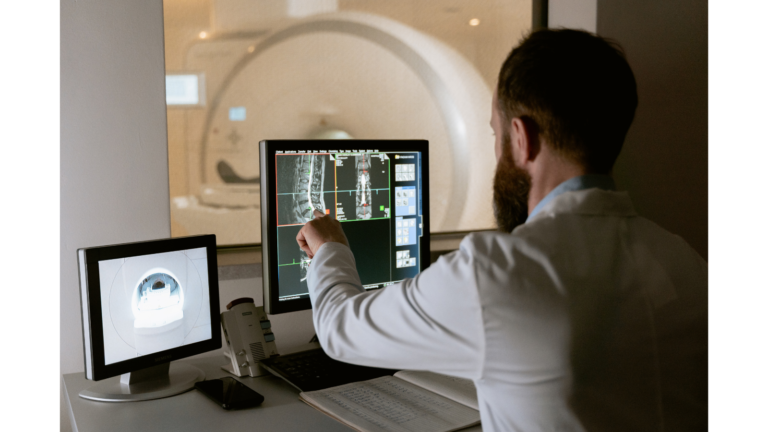
Coronary artery disease remains one of the leading causes of serious health complications worldwide, yet it often develops silently for years before symptoms appear. According to Dr. Barbara L Robinson, advances in artificial intelligence are transforming how physicians detect coronary artery disease by identifying subtle warning signs much earlier than many traditional testing methods. These innovations are helping healthcare providers uncover hidden risks before they become life-threatening problems.
Understanding Coronary Artery Disease
Coronary artery disease happens when plaque builds up in the vessels that supply blood to the heart, narrowing or blocking them. This process can occur slowly over a long period without showing any clear signs. A lot of people don’t know they have it until they have chest pain, shortness of breath, or even a heart attack.
One of the challenges in managing coronary artery disease is that damage often progresses long before symptoms emerge. When the first warning signs appear, there may already be significant narrowing. Because of this, one of the most important goals in cardiovascular medicine is to find problems early.
For decades, doctors have used traditional screening methods to find people who are at risk for heart disease. However, these methods don’t always work well for finding small changes in the early stages of a disease. This is where AI-powered image tools are starting to make a real difference.
How Traditional Tests Evaluate Heart Health
Stress tests, electrocardiograms, blood pressure readings, cholesterol checks, and imaging studies are all common types of conventional heart testing. These tools provide useful information about how your heart works and your risk of heart disease. They are still important parts of regular heart care.
For example, stress testing assesses how well the heart works during physical activity or when it is supposed to be active. Even though it works in many cases, problems might not appear until the blood flow restriction worsens. Mild plaque growth isn’t always easy to spot.
Similarly, regular checks tend to focus on detecting diseases that are already present rather than on changes occurring at the microscopic level within artery walls. Because of this, some people may look pretty healthy even though they have early-stage coronary artery disease. The goal of AI-enhanced images is to close this gap.
What Makes AI-Powered Imaging Different
Artificial intelligence excels at analyzing large amounts of medical data and identifying patterns that may be difficult for humans to recognize. In cardiac imaging, AI programs analyze tens of thousands of image features simultaneously. These tools can find small problems that people might miss otherwise.
Advanced imaging technologies combined with machine learning allow physicians to evaluate coronary arteries with extraordinary precision. AI can highlight areas of concern, measure plaque characteristics, and assess risk factors with remarkable consistency. This kind of in-depth research often helps people learn more about heart health.
AI systems can quickly compare imaging results against large databases of previously studied cases, unlike traditional interpretation methods that rely solely on human review. This feature helps find early signs of disease before they become symptoms or cause major problems.
Detecting Plaque Before It Becomes Dangerous
AI-powered imaging can find plaque earlier, which is one of its best features. Different kinds of plaque pose different risks. Some deposits remain in place for years, but others are more likely to break off and cause serious heart problems.
Artificial intelligence can analyze plaque composition and characteristics in ways that exceed traditional visual assessment. AI helps doctors distinguish between lower- and higher-risk findings by analyzing patterns in imaging scans. This lets treatment plans be more tailored to each person.
Early identification provides patients with valuable time to make changes that may reduce future complications. Lifestyle modifications, medication adjustments, and ongoing monitoring can often be implemented before severe symptoms appear. When a sickness is found early, preventive care works much better.
Improving Accuracy and Consistency
Medical imaging interpretation takes a lot of knowledge and experience. Even highly skilled experts may not always agree on how to handle complicated cases. AI adds another level of consistency by using the same set of criteria to analyze each picture.
This standardization helps reduce variation and makes ratings more reliable. Doctors get new information that can help them be more confident in their diagnoses. AI is not meant to replace human knowledge; instead, it is a complex tool that helps people make decisions.
The technology also makes it easier to handle a lot of data quickly. Cardiac scans generate enormous amounts of data that can take considerable time to review manually. AI helps by quickly identifying areas that need more attention, so experts can focus their efforts where they’re most needed.
The Role of Coronary CT Imaging
CT (computed tomography) imaging of the heart has become one of the most important places where AI is making a difference. These scans provide very clear images of the heart arteries and can show plaque buildup long before symptoms appear. AI-enhanced CT imaging can measure plaque volume, assess narrowing, and detect small structural changes. Most of the time, this thorough evaluation shows details that more common testing methods might not fully reveal. The result is a fuller view of heart disease risk.
Coronary CT imaging is a useful way to look for heart problems without surgery because it is noninvasive. When paired with artificial intelligence, it can perform even more diagnostic work. This mix helps doctors and nurses make better decisions about how to care for patients.
Personalized Risk Assessment Through AI
Each patient has their own unique heart disease risk factors. It depends on your age, family background, how you live your life, your cholesterol levels, and any medical conditions you may have. These factors can be combined with imaging results by AI systems to make more accurate risk ratings for each person. AI helps doctors consider each person’s unique situation rather than relying solely on group averages. This personalized method could lead to more effective ways to stop crime. Patients receive suggestions that are better aligned with their risk profile.
According to Barbara Robinson MD, personalized medicine represents one of the most promising applications of artificial intelligence in healthcare. When doctors combine imaging data with other health information, they can make better and more proactive choices about treatment and prevention.
Earlier Detection Can Lead to Better Outcomes
Detecting coronary artery disease before symptoms develop creates opportunities for intervention that may not exist later. When doctors diagnose a disease earlier, they can suggest treatments that will slow its development. Patients often do better when they have more choices.
Taking preventative steps early on, like making changes to your food, getting more exercise, quitting smoking, and managing your medications, can have a big effect. These things might help lower the risk of heart attacks and other major heart problems.
The goal is not just to find the sickness, but also to change how it spreads. Imagine that AI provides doctors with knowledge that can help them act faster and possibly improve long-term outcomes. Technology is likely to play a larger role in preventive cardiology as it continues to improve.
Conclusion
Artificial intelligence is reshaping cardiovascular care by helping physicians identify coronary artery disease earlier than many traditional testing methods. As Dr. Barbara L Robinson explains, AI-powered imaging tools can detect subtle plaque changes, improve diagnostic accuracy, and support more personalized risk assessment long before symptoms appear. These advancements are creating new opportunities for earlier intervention, better prevention strategies, and improved long-term heart health.
