



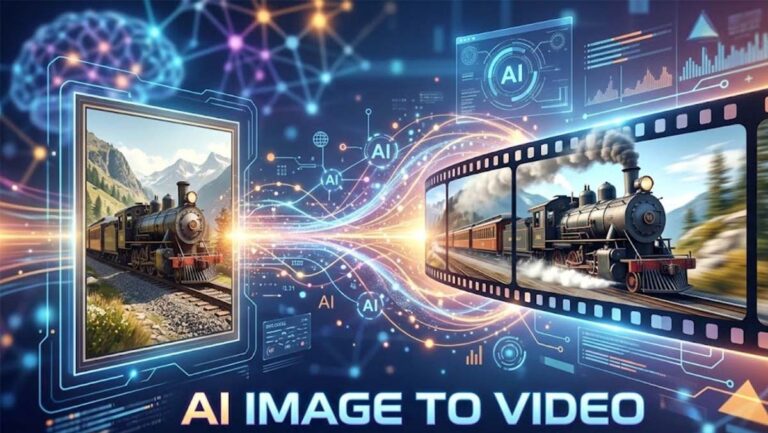
The rise of artificial intelligence has completely changed the way digital videos are produced. What once required expensive cameras, professional editors, and large production crews can now be accomplished using AI-powered software in a fraction of the time. Modern creators are using AI video tools for social media content, brand storytelling, cinematic trailers, educational videos, and creative experiments.
One reason these tools are growing so quickly is their ability to simplify complex production workflows. Many creators now combine text prompts, automated editing, and Ai image to video generation to produce cinematic scenes with minimal technical effort. This flexibility allows users to create high-quality visual content much faster than traditional methods.
1. Prioritize Emotional Storytelling
The most successful AI videos focus on emotion rather than technical detail alone. Instead of simply describing locations or objects, creators should focus on the mood they want viewers to experience.
Prompts that communicate feelings such as mystery, excitement, loneliness, or suspense often produce stronger cinematic results. Emotional direction helps AI better understand the tone of the scene and generate visuals that feel more immersive.
Strong storytelling remains one of the biggest factors separating average AI videos from truly engaging content.
2. Improve Visual Quality Through Lighting
Lighting plays a major role in professional filmmaking, and AI-generated videos are no exception. Scenes with intentional lighting instructions often appear significantly more cinematic and realistic.
Warm sunset lighting creates softness and emotion, while dark contrast lighting builds tension. Neon lighting can create futuristic energy, and soft natural lighting improves realism.
Adding weather effects such as rain, fog, or smoke can further enhance atmosphere and visual depth within AI-generated scenes.
3. Generate Videos in Short Segments
Long AI-generated sequences can sometimes lose consistency. Motion may become unnatural, characters may shift appearance, and pacing may feel unstable.
Professional creators often solve this problem by generating short cinematic segments separately. Each scene focuses on one specific action or emotional moment. Later, these clips are combined during editing to create smoother storytelling.
This modular workflow provides much better control over pacing, visual quality, and scene transitions.
4. Blend AI With Traditional Editing
AI video tools work best when combined with traditional editing techniques. Many high-quality AI videos still rely heavily on human creativity during post-production.
Creators often enhance generated footage using music, sound design, subtitles, transitions, color grading, and voiceovers. These additions improve emotional impact while helping the final video feel more polished and professional.
The strongest productions are usually hybrid projects that combine AI efficiency with human creative direction.
5. Use AI as a Creative Testing Tool
AI is not only useful for producing final videos. Many creators now use it during brainstorming and pre-production stages to test ideas quickly.
Filmmakers and marketers can generate concept visuals, storyboard ideas, trailer previews, and different artistic styles before beginning full production. This saves time and reduces creative uncertainty.
AI has become a valuable creative laboratory where creators can explore ideas rapidly without spending large budgets on experimentation.
Conclusion
AI video generation is creating entirely new opportunities for digital creators. However, producing strong AI-generated videos requires strategy and creative understanding rather than simple automation.
Creators who focus on storytelling, cinematic lighting, modular scene generation, hybrid editing, and rapid experimentation are consistently producing more engaging results. As artificial intelligence continues advancing, these creative workflows will become increasingly important for the future of video production.
