



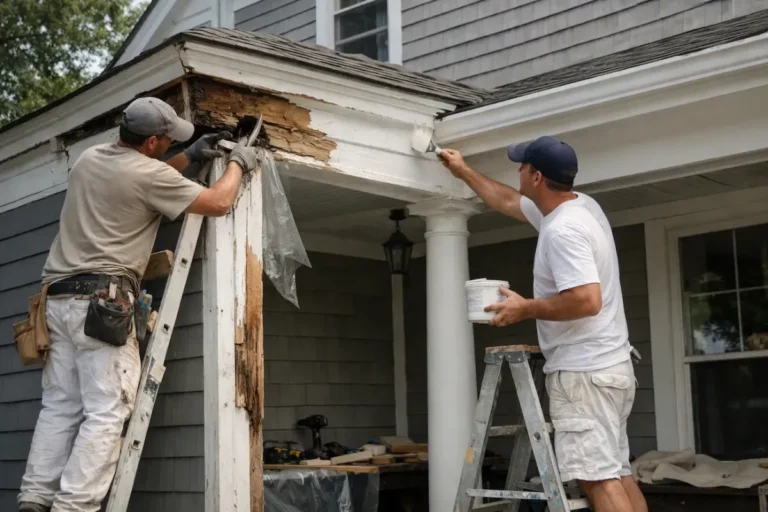
Introduction to Exterior Painting
The exterior of a home is the first thing people notice, and it plays a major role in shaping overall impressions. Beyond appearance, the outer surfaces of a house act as a protective barrier against weather, moisture, and environmental damage. This is where exterior painting becomes essential.
A high-quality exterior paint job does more than add color; it preserves structural integrity, prevents deterioration, and extends the lifespan of building materials. Whether you are refreshing an aging surface or completely transforming your home’s look, understanding the process and importance of exterior painting can help you achieve long-lasting results.
Why Exterior Painting Is Essential
Exterior surfaces are constantly exposed to harsh conditions such as sunlight, rain, wind, dust, and temperature fluctuations. Over time, these elements can cause fading, cracking, and peeling.Exterior painting acts as a protective shield. It seals surfaces, prevents moisture from penetrating walls, and reduces the risk of damage such as mold, mildew, and rot. In addition, a well-maintained exterior enhances curb appeal and can significantly increase property value.Neglecting exterior paint can lead to costly repairs in the future, making regular maintenance an important investment rather than an optional upgrade.
Before starting any painting project, it is important to understand the type of surface being painted. Different materials require different preparation methods and paint types.Wood surfaces, for example, need proper sealing and protection against moisture. Brick and masonry require breathable paints that allow moisture to escape. Metal surfaces must be treated to prevent rust and corrosion.Each surface has unique characteristics, and choosing the right products ensures better adhesion and durability. Proper surface identification is the foundation of a successful exterior painting project.
Surface Preparation: The Key to Long-Lasting Results
Preparation is one of the most critical steps in exterior painting. Without it, even the best paint will fail prematurely.The process usually begins with cleaning the surface to remove dirt, dust, and mildew. Pressure washing is often used to achieve a clean base. After cleaning, any cracks, holes, or damaged areas must be repaired.
Old, peeling paint should be scraped off, and rough areas should be sanded to create a smooth surface. Priming is then applied to improve paint adhesion and ensure even coverage.Skipping or rushing preparation can lead to uneven finishes and reduced paint lifespan, making it essential to invest time and effort in this stage.
Selecting the right paint is crucial for achieving both durability and visual appeal. Exterior paints are specially formulated to withstand environmental stress and provide long-lasting protection.There are different types of finishes available, including flat, satin, and gloss. Flat finishes hide imperfections but may be less durable, while satin and gloss finishes offer better resistance to moisture and are easier to clean.Color selection is also important. Light colors reflect heat and help keep the home cooler, while darker shades provide a bold and dramatic appearance. The right combination of color and finish can enhance architectural features and improve overall aesthetics.Professional exterior painting involves the use of various tools and techniques to achieve a smooth and even finish. Brushes are used for detailed work, rollers for larger surfaces, and sprayers for uniform coverage on expansive areas.Spray painting is often preferred for exteriors because it provides a consistent finish, but it requires proper masking to protect windows, doors, and surrounding areas.Ladders, scaffolding, and safety equipment are also essential when working on multi-story homes. Proper technique and equipment ensure efficiency, safety, and high-quality results.
Weather Conditions and Timing
Weather plays a significant role in the success of exterior painting. Ideal conditions include moderate temperatures, low humidity, and minimal wind.Painting in extreme heat can cause paint to dry too quickly, leading to uneven application. On the other hand, high humidity or rain can prevent proper drying and adhesion.Planning the project during suitable weather conditions ensures better results and reduces the risk of paint failure. Timing is just as important as technique when it comes to exterior painting.While some homeowners attempt exterior painting as a DIY project, hiring professionals offers several advantages. Experienced painters understand surface preparation, paint selection, and application techniques that ensure a durable and flawless finish.Professionals also have access to specialized tools and safety equipment, allowing them to handle complex projects efficiently. Their expertise reduces the risk of mistakes and ensures that the job is completed on time.
In the long run, professional exterior painting often provides better value due to its durability and high-quality appearance.
Cost Factors in Exterior Painting
The cost of an exterior painting project depends on several factors, including the size of the home, surface condition, paint quality, and labor requirements.Preparation work, such as repairs and cleaning, can increase costs but is necessary for long-lasting results. High-quality paints may also have a higher upfront cost but offer better durability and protection.While it may be tempting to choose cheaper options, investing in quality materials and skilled labor can save money in the long term by reducing the need for frequent repainting.
Common Mistakes to Avoid
There are several common mistakes that can affect the outcome of an exterior painting project. Skipping surface preparation is one of the most frequent errors, leading to poor adhesion and peeling paint.Using the wrong type of paint for a specific surface can also cause problems. In addition, applying paint in unsuitable weather conditions can result in uneven finishes and reduced durability.Rushing the process or applying insufficient coats can compromise the final appearance. Taking the time to follow proper procedures helps avoid these issues and ensures better results.Once the painting is complete, regular maintenance helps preserve the finish and extend its lifespan. Periodic cleaning removes dirt and prevents buildup that can damage the paint.Inspecting the exterior for cracks, peeling, or damage allows for early repairs, preventing more serious issues. Touch-ups can be done as needed to maintain a fresh and polished appearance.With proper care, a high-quality exterior paint job can last for many years while continuing to protect and enhance the home.
Environmental Considerations
Modern exterior painting increasingly focuses on sustainability and environmental responsibility. Low-VOC and eco-friendly paints are now widely available, reducing harmful emissions and improving air quality.These paints are safer for both homeowners and the environment while still providing excellent performance. Choosing environmentally friendly options is a smart step toward responsible home improvement.A well-executed exterior painting project can significantly improve a home’s curb appeal. Fresh paint creates a clean and updated look, making the property more attractive to visitors and potential buyers.Color choices, trim details, and overall finish all contribute to the visual impact. A professionally painted exterior can make a home stand out and increase its market value.This makes exterior painting not only a maintenance task but also a strategic investment in property enhancement.
Conclusion: A Smart Investment for Every Home
Exterior painting is an essential aspect of home maintenance that combines protection, aesthetics, and value. It shields the structure from environmental damage while enhancing its visual appeal.From proper surface preparation to selecting the right materials and applying expert techniques, every step plays a role in achieving a durable and attractive finish.Whether you choose to hire professionals or take on the project yourself, understanding the process ensures better results. In the end, exterior painting is more than just a visual upgrade; it is a long-term investment in the strength and beauty of your home.
