



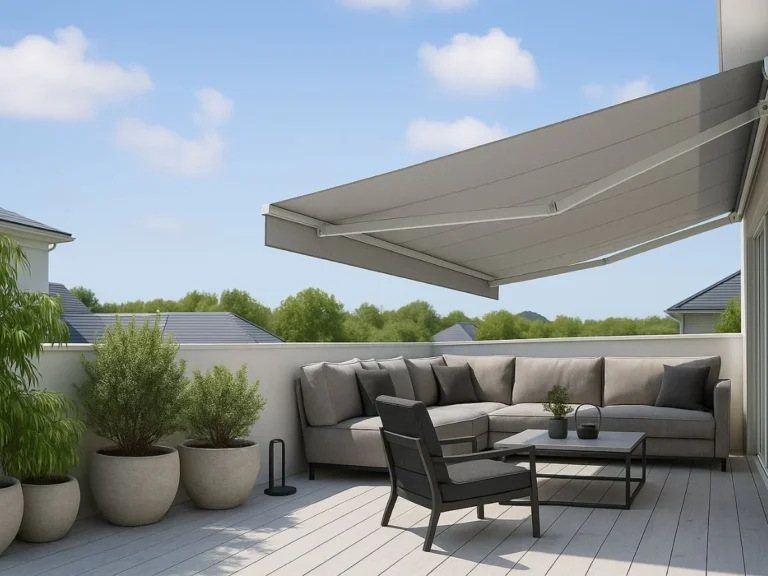
Retractable awnings have become an increasingly popular solution for homeowners and business owners who want flexible outdoor shade, better comfort, and improved energy efficiency without committing to permanent structural changes. These systems are designed to extend when shade is needed and retract when open sunlight is desired, offering a perfect balance between protection and openness. Whether used in residential patios, commercial storefronts, or outdoor seating areas, retractable awnings provide both functional and aesthetic advantages that make outdoor spaces more usable throughout the year.
Understanding how retractable awnings work, what types are available, and how they contribute to comfort and energy savings can help users make informed decisions when choosing the right system.
Understanding How Retractable Awnings Work and What Makes Them So Practical
Retractable awnings are designed with a flexible fabric canopy supported by a frame that can extend or retract based on user preference. The movement is typically controlled either manually using a crank system or automatically using a motorized mechanism. In motorized versions, sensors can even detect sunlight or wind and adjust the awning accordingly.
The core idea behind retractable awnings is adaptability. When extended, they provide shade and protection from direct sunlight, reducing heat buildup in outdoor and indoor spaces. When retracted, they allow full sunlight exposure and preserve the natural brightness of the environment. This flexibility makes them suitable for changing weather conditions and different times of the day.The materials used in these systems are usually weather-resistant fabrics supported by durable metal frames, ensuring long-term performance and stability even under varying environmental conditions.
Key Benefits
One of the most significant benefits of retractable awnings is improved outdoor comfort. By blocking direct sunlight, they create a cooler and more pleasant environment for outdoor activities such as dining, relaxing, or entertaining guests. This makes patios, balconies, and gardens more functional spaces throughout the year.
Energy efficiency is another important advantage. By reducing the amount of direct sunlight entering windows, retractable awnings help lower indoor temperatures naturally. This reduces the need for air conditioning, leading to lower energy consumption and reduced electricity costs over time.In addition to comfort and efficiency, retractable awnings also enhance the aesthetic appeal of a property. They are available in a wide range of colors, patterns, and designs, allowing users to match them with their exterior décor. This can significantly improve the overall visual appeal of a home or business.commercial spaces, retractable awnings can also serve as branding tools. Businesses often customize awnings with logos or colors to attract customers and create a recognizable storefront appearance.
Different Types
Retractable awnings come in several types, each designed to meet specific needs and preferences. Manual awnings are operated using a hand crank and are generally more affordable. They are suitable for smaller spaces where frequent adjustment is not required.Motorized awnings, on the other hand, offer greater convenience. They can be controlled with a remote or wall switch, and some advanced models include smart sensors that automatically adjust based on weather conditions. These are ideal for larger installations or users who prefer automated operation.There are also cassette-style awnings where the fabric and mechanism are fully enclosed when retracted, offering better protection from dust and weather damage. Semi-cassette and open-frame designs are also available depending on budget and exposure requirements.Choosing the right type depends on factors such as space size, usage frequency, budget, and desired level of convenience.
Materials Used in Retractable Awnings
The performance of retractable awnings largely depends on the quality of materials used. The fabric is typically made from acrylic or polyester materials that are treated to resist UV rays, water, and fading. High-quality fabrics ensure long-lasting color and protection against harsh sunlight.The frame is usually constructed from aluminum or steel, providing strength and resistance against rust and corrosion. Aluminum is more commonly used due to its lightweight nature and durability.Hardware components such as joints, springs, and motors also play an important role in overall performance. Well-designed systems use high-grade components to ensure smooth operation and long service life.Investing in quality materials ensures that the awning remains functional and visually appealing for many years with minimal maintenance.
Installation Process
The installation of retractable awnings requires careful planning to ensure proper alignment, stability, and safe operation. The process typically begins with selecting the appropriate mounting location, usually above doors, windows, or outdoor seating areas.Accurate measurements are essential to ensure proper coverage and fit. Once the location is finalized, mounting brackets are securely attached to the wall or structure. The awning frame is then installed onto these brackets, followed by testing the extension and retraction mechanism.Motorized systems may require electrical connections, which should always be handled by professionals to ensure safety and compliance with standards.
Proper installation is crucial because incorrect mounting can lead to structural instability or operational issues over time.
Maintenance Tips to Extend the Lifespan of Retractable Awnings
Although retractable awnings are designed for durability, regular maintenance helps ensure long-term performance and appearance. Cleaning the fabric periodically helps remove dust, dirt, and environmental debris. Mild soap and water are usually sufficient for cleaning without damaging the material.It is also important to retract the awning during strong winds, heavy rain, or storms to prevent damage. Even weather-resistant systems have limits, and protecting them during extreme conditions helps extend their lifespan.Inspecting the frame, joints, and mechanical components regularly can help identify early signs of wear or loosening. Addressing small issues early prevents larger problems in the future.Proper maintenance ensures smooth operation and preserves both functionality and appearance over time.
Common Problems
Like any mechanical system, retractable awnings may experience issues over time. Fabric wear, motor malfunction, or frame misalignment are some of the common problems users may encounter.If the awning becomes difficult to extend or retract, it may indicate mechanical issues or debris buildup in the system. Motorized systems may also face electrical faults or sensor errors that require professional attention.In such cases, timely repair is important to prevent further damage. Ignoring minor issues can lead to more expensive repairs or complete system failure.Professional inspection and repair ensure that the system continues to function safely and efficiently.
Energy Efficiency
Retractable awnings contribute significantly to energy savings by reducing indoor heat gain. When installed over windows and glass doors, they block direct sunlight, helping maintain cooler indoor temperatures naturally.This reduces reliance on air conditioning systems, which in turn lowers electricity consumption and environmental impact. Over time, this can lead to noticeable cost savings while also supporting sustainable living practices.By providing natural shade and reducing energy demand, retractable awnings serve as an environmentally friendly addition to modern buildings.Beyond immediate comfort and visual appeal, retractable awnings offer long-term value through energy savings, property enhancement, and increased usability of outdoor spaces. They allow users to enjoy outdoor environments without being affected by harsh sunlight or heat.
Final Thoughts
Their flexibility, durability, and aesthetic versatility make them a practical investment for both residential and commercial properties. With proper care and maintenance, they can last for many years while continuing to deliver consistent performance.Retractable awnings provide a simple yet highly effective solution for improving outdoor comfort, reducing energy costs, and enhancing property appearance. Their ability to adapt to changing weather conditions makes them one of the most practical shading solutions available today.
By choosing the right type, ensuring proper installation, and maintaining the system regularly, users can maximize both performance and lifespan. Whether for a home or business, retractable awnings offer a balance of functionality, efficiency, and style that adds lasting value to any space.
