



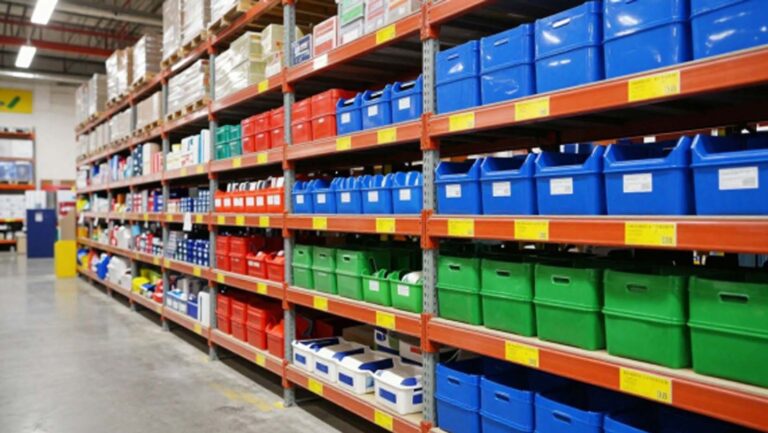
Leveraging Human Color Perception for Efficiency
Our eyes are naturally wired to pick up on colors. Think about it – spotting a bright red object in a sea of gray is way easier than reading a tiny serial number from across the room. This is the core idea behind using color coding in warehouses. It taps into how our brains already work, making things faster and less of a headache.
This isn’t just about making things look pretty. It’s about cutting down the time workers spend searching. Instead of squinting at labels, they can quickly scan for a specific color. This visual cue helps streamline tasks, especially when you have a lot of items to manage. The goal is to make finding things almost automatic.
The quicker someone can identify a location, the faster they can put away or grab an item. This simple shift from reading text to recognizing color can make a big difference in daily operations. It’s a smart way to use our natural abilities to boost productivity.
Reducing Search Time with Intuitive Color Cues
Imagine a warehouse worker needing to find a specific bin on a high shelf. Without color coding, they might have to read multiple labels, compare numbers, and maybe even get a ladder. It’s a slow process, and mistakes can happen easily. But with a color-coded system, that same worker can spot the correct color from a distance, saving precious minutes.
This intuitive approach means less mental effort for the staff. They don’t need to memorize complex location codes. Instead, a color can represent a zone, a product type, or even a specific shelf level. This makes the entire process feel more natural and less prone to errors. It’s like having a visual map that’s incredibly easy to follow.
Color coding acts as a visual shortcut, cutting down on the time spent searching and verifying. It simplifies complex layouts into easily recognizable visual cues.
Streamlining Picking and Replenishment Processes
When it comes to picking orders or replenishing stock, speed and accuracy are key. Color-coded labels can significantly speed up these processes. For example, if all items for a certain customer order are marked with blue labels, the picker can quickly gather them without needing to double-check every single item’s destination.
Similarly, during replenishment, a worker can easily identify where a particular type of product belongs by matching it to the corresponding color on the racking. This reduces the chance of putting items in the wrong place, which can cause major headaches down the line. The visual nature of color coding makes these routine tasks much more efficient.
- Faster identification:Workers can spot the correct location instantly.
- Fewer errors:Reduced chance of misplacing items.
- Quicker task completion:Both picking and stocking become more rapid.
This system helps everyone involved, from new hires to seasoned employees, perform their duties more effectively. The visual advantage of color coding is clear: it makes warehouse operations smoother and more reliable.
Enhancing Warehouse Organization and Safety
Differentiating Storage Areas and Inventory Types
Color coding is a simple yet powerful tool for making sense of a busy warehouse. Think about it: instead of reading tiny print on a label, a quick glance at a color can tell you what kind of item is stored there. This visual cue helps staff quickly sort and place inventory, cutting down on confusion. It’s like having a visual map for your stock. This method really helps when you have lots of different products.
Designating Safe Zones and Restricted Access
Beyond just organization, color coding plays a big role in safety. Certain colors can be used to mark areas that require special attention, like where heavy machinery operates or where specific safety gear is needed. This visual warning system helps prevent accidents before they happen. It’s a clear way to communicate hazards and keep people out of harm’s way. Safety first is the goal here.
Minimizing Misplacement and Improving Accuracy
When everything has its place, and that place is clearly marked with color, misplacing items becomes much less likely. This accuracy boost is huge for inventory management. It means fewer errors in picking orders and less time spent searching for lost stock. A well-organized system, aided by color, makes the whole operation run smoother and keeps customers happier because they get the right stuff on time.
Implementing Effective Racking Labels
Choosing a Logical and Intuitive Color Scheme
When setting up your warehouse, picking the right color scheme for your racking labels is a big deal. You want something that makes sense to everyone working there. Think about how colors can help people find things faster. A good system uses colors to group similar items or highlight different zones. This visual cue can cut down on search time significantly. It’s not just about looking pretty; it’s about making the warehouse run smoother.
Selecting Durable Materials for Longevity
Warehouse environments can be tough on labels. You need materials that can handle a lot of wear and tear. Things like dust, moisture, and constant handling can ruin flimsy labels quickly. Choosing durable materials means your racking labels will last longer and stay readable. This saves money in the long run because you won’t have to replace them as often. Think about polyester or synthetic stocks for areas with heavy traffic or potential exposure to chemicals. The right material makes a big difference in how effective your labeling system remains over time.
Strategic Placement for Maximum Visibility
Where you put your racking labels matters a lot. They need to be easily seen by both people and scanners. Labels should be placed at eye level or where they are most likely to be encountered during picking or put-away. Consider the height of your racks and the typical viewing angle. Arrows on the labels can also help direct people, especially in complex racking systems. Proper placement ensures that the information on the label is accessible when it’s needed most. This simple step can prevent a lot of confusion and errors on the warehouse floor.
Integrating Color Coding with Technology
Linking Color Codes with Warehouse Management Systems
Color coding isn’t just about paint on metal anymore. When you link your color-coded racking system with a Warehouse Management System (WMS), you create a powerful digital twin of your physical warehouse. This means the colors you see on the racks have a direct digital counterpart. The WMS can then use these color associations to guide put-away, picking, and replenishment tasks. It makes tracking inventory much simpler because the system knows exactly where things should be, visually and digitally. This integration helps maintain consistency between physical and digital inventories, reducing errors.
Combining Color with Barcode Scanning for Precision
Think of color coding as the first quick visual check and barcode scanning as the detailed confirmation. A worker might see a blue rack section for ‘Electronics’ and head over. Once there, they scan the barcode on the product or shelf location. This combination provides a robust inventory management solution. Workers can use color for quick identification and barcodes for detailed product information. It’s a layered approach that significantly cuts down on mispicks and improves overall accuracy. This dual system is especially useful for high-volume operations.
Digital Mapping of Color-Coded Storage Zones
Many modern WMS platforms offer features to digitally map your color-coded storage zones. This means you can see a visual representation of your entire warehouse layout on a screen, with each zone clearly marked by its assigned color. This digital map makes inventory tracking easier and provides a clear overview for management. It’s also incredibly helpful for training new staff, as they can learn the layout visually before ever stepping onto the warehouse floor. This digital mapping of color-coded storage zones is a smart move for any forward-thinking warehouse.
Industry-Specific Applications of Color Coding
Retail: Segregating Diverse Product Categories
Retail warehouses deal with a huge mix of items. Think clothing, electronics, home goods, and groceries – all under one roof. Color coding helps sort these out fast. Assigning a specific color to each department, like blue for apparel and green for home goods, makes it simple for staff to know where things belong. This visual cue cuts down on confusion and speeds up both putting stock away and finding it for orders. It’s all about making that inventory easier to manage.
Food and Beverage: Ensuring Safety and Compliance
In the food and beverage world, safety and following rules are super important. Cross-contamination is a big worry. Color-coded racking can keep different types of items separate. For instance, one color for dry goods, another for refrigerated items, and a third for cleaning supplies. This prevents accidental mix-ups that could lead to spoiled food or unsafe products. This clear separation is key to maintaining high standards.
Manufacturing: Tracking Raw Materials and Finished Goods
For manufacturers, keeping track of what’s what is vital. Color coding can clearly distinguish between raw materials waiting to be used, items currently in production, and finished products ready to ship. This visual system helps production managers monitor workflow and inventory levels at a glance. It simplifies the process of pulling the right components for assembly and ensures finished goods are moved out efficiently.
Pharmaceuticals: Managing Temperature-Sensitive Items
When dealing with medicines and health products, precision is non-negotiable. Pharmaceutical warehouses often need to manage items that require specific temperatures. Color-coded racking can highlight these sensitive areas. For example, a distinct color might indicate a refrigerated zone, while another color could mark items needing protection from light. This visual system helps prevent costly errors and ensures product integrity.
Best Practices for Color-Coded Racking Systems
Involving Stakeholders in System Design
Getting everyone on board from the start makes a big difference. Warehouse staff, supervisors, and safety officers know the day-to-day operations best. Their input can point out potential problems before they happen and help create a color coding system that actually works for the people using it. This collaboration helps make sure the system is practical and easy to follow.
When designing your color-coded racking system, remember that the people who work with it every day are your best resource for practical insights.
Providing Thorough Staff Training and Refresher Courses
Once the system is in place, training is key. Everyone needs to know what each color means and how it applies to their job. Don’t just do it once; regular refresher courses are important. This keeps the information fresh and helps new employees get up to speed quickly. Good training means fewer mistakes and a smoother workflow.
Regularly Reviewing and Updating the System
Warehouses change. Products come and go, layouts get adjusted, and processes evolve. It’s important to periodically review the color coding system to make sure it still fits. An annual review is a good idea, or whenever there’s a significant change. Keeping the system current prevents it from becoming outdated and losing its effectiveness. This ensures the color-coded racking remains a useful tool for organization and efficiency.
Wrapping It Up
So, when you get down to it, using colors and clear labels on your storage racks isn’t just about making things look neat. It really makes a difference in how quickly and accurately people can find what they need. Think about it – spotting a bright red label from across the room is way faster than squinting at a small number. This simple visual trick cuts down on mistakes and saves a bunch of time, which adds up fast in a busy warehouse. Whether you’re dealing with a small stockroom or a massive distribution center, getting your labeling right, maybe even with some color coding, can seriously smooth out your operations and make everyone’s job a little easier.
