



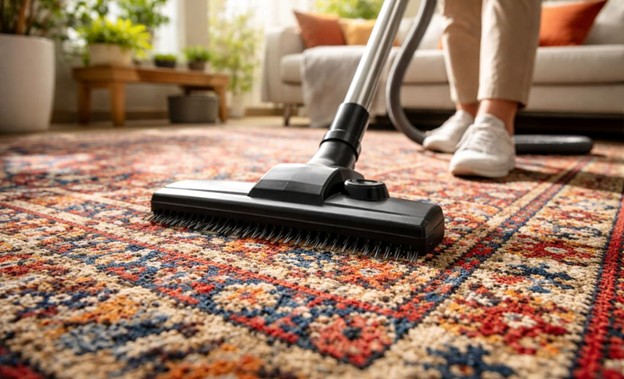
Oriental rugs are more than just decorative pieces; they often carry history, craftsmanship, and significant value. Whether handwoven from wool or crafted with delicate natural dyes, these rugs deserve thoughtful care. Yet many people unknowingly damage them by using harsh chemical cleaners that do more harm than good.
If you’ve been searching for a safer, more natural way to maintain your rug, you’re in the right place. This guide will walk you through how to clean oriental rugs without harmful chemicals, using simple methods that protect both your rug and your home environment.
Trusted Experts in Oriental Rug Cleaning
The Steam Team operates from two Austin locations to better serve homeowners based on their needs. The North Austin location focuses on water damage restoration, mold remediation, and emergency services, while the Central Austin location specializes in professional cleaning services, including carpet cleaning, oriental rug cleaning, air duct cleaning, and area rug cleaning.
With years of experience caring for delicate, hand-woven rugs, our team uses safe, chemical-free methods to preserve the beauty and longevity of your oriental rugs. Whether you need routine maintenance or specialized stain removal, we provide professional guidance to keep your rugs in pristine condition.
Why Chemical Cleaners Are a Risk
It’s easy to assume that strong cleaning products deliver better results. In reality, oriental rugs react very differently compared to synthetic carpets. Most are made from natural fibers like wool or silk, and these materials are highly sensitive to chemical exposure.
Harsh cleaners can strip away the natural oils in wool, leaving fibers dry and brittle. Colors can fade or bleed into each other, and over time, the rug’s structure may weaken. Even worse, chemical residues can linger in the fibers, which is not ideal if you have children or pets at home.
This is why many experts in oriental rug cleaning recommend sticking to gentle, natural solutions whenever possible. These methods protect both the rug’s beauty and your home environment while still providing effective cleaning.
Understanding Your Rug Before Cleaning
Before you start cleaning, it’s important to understand what makes oriental rugs unique. Unlike machine-made carpets, these rugs are often hand-knotted and dyed using traditional techniques. The fibers—especially wool—contain natural oils that help repel dirt and maintain durability.
However, these same qualities also mean the rug can be damaged if handled incorrectly. Excess water, heat, or aggressive scrubbing can strip away these oils and cause irreversible damage.
Why Wool Requires Special Care
Wool fibers are both resilient and delicate. When handled correctly, wool rugs can last for decades, maintaining their softness and color vibrancy. Improper cleaning, however, can lead to permanent damage such as shrinkage, matting, or color bleeding. This is why proper wool rug cleaning is essential for preserving your rug’s quality.
The Role of Dyes and Fibers
Many oriental rugs are dyed with natural plant-based dyes that can react to water or cleaning agents. Understanding the type of fiber and dye used in your rug helps you avoid mistakes such as color bleeding or fiber weakening during cleaning.
A Gentle Approach Works Best
Cleaning an oriental rug is not about force; it’s about patience and technique. Instead of attempting aggressive “deep cleaning,” the goal should be to remove dirt gradually while preserving the integrity of the fibers.
Dry Cleaning Comes First
The safest approach begins with dry cleaning methods. Regular vacuuming, done gently and without a rotating brush, helps remove surface dust before it settles deeper into the rug. Taking the rug outside and gently shaking it can also release trapped particles. This step is essential because it prevents dirt from turning into mud during wet cleaning.
Preparing for Wet Cleaning
Once the loose dirt is gone, it’s time to move on to light cleaning using natural solutions. Before applying any moisture, make sure the rug is laid flat and secure to avoid stretching or distortion.
Choosing Safe, Natural Cleaning Ingredients
One of the biggest advantages of natural cleaning is simplicity. You don’t need specialized products or expensive solutions—some of the most effective ingredients are already in your kitchen.
Vinegar Solution
A mixture of white vinegar and cold water is one of the safest and most reliable options. Vinegar helps neutralize odors and break down light stains without damaging fibers. When diluted properly, it is gentle enough for most oriental rugs.
Mild Soap
Mild liquid soap can be used in small amounts to lift dirt and grime. Avoid anything strongly scented or harsh, as residues may remain trapped in the fibers.
Baking Soda
Baking soda is especially helpful for removing odors, particularly from pet accidents or damp areas. Sprinkle it lightly, let it absorb, then vacuum thoroughly.
These ingredients form the foundation of safe, effective oriental rug cleaning and are also ideal for cleaning delicate wool rugs.
Step-by-Step Cleaning Process
Cleaning your rug should feel controlled and careful rather than rushed. Follow these steps for the best results:
Spot Testing
Before applying any solution, test it on a small, hidden area. Check for color bleeding or fiber damage. Skipping this step can lead to costly mistakes, especially with antique or hand-dyed rugs.
Gently Applying the Cleaning Solution
Lightly dampen a soft cloth or sponge with your vinegar or soap solution. Gently blot the surface instead of scrubbing. Work in small sections to maintain control and prevent the rug from becoming overly wet.
Controlling Moisture
Moisture is the most common cause of damage. Excess water can seep into the rug’s foundation, potentially leading to mold, odors, or structural issues. After cleaning each section, use a dry towel to absorb excess moisture.
Drying Properly
Place the rug in a well-ventilated area and allow it to air dry naturally. Avoid direct sunlight, which can fade colors, and never use heat-based drying tools. Depending on the rug’s thickness and humidity levels, drying may take one to two days.
Handling Common Stains
Life happens, and spills are inevitable. Quick and correct action ensures stains don’t become permanent.
Liquid Spills (Coffee, Juice, Tea)
Blot immediately with a clean cloth to absorb the liquid. Avoid rubbing, as this pushes the stain deeper. Apply a mild cleaning solution and continue blotting gently.
Pet Stains
In addition to removing the visible stain, neutralize odors with a diluted vinegar solution. Once dry, lightly sprinkle baking soda and vacuum to ensure complete odor removal.
Oil and Grease Stains
Apply a small amount of baking soda to absorb oil. Let it sit for a few hours, then vacuum and gently clean the area with a mild solution. Avoid scrubbing, as friction can damage the fibers.
These methods provide safe and effective oriental rug cleaning without risking damage to delicate fibers.
Common Mistakes That Can Ruin Your Rug
Even with good intentions, mistakes can happen. Avoid the following:
- Excess Water: Over-wetting can weaken the rug’s foundation.
- Hot Water: Heat can cause dyes to bleed and fibers to shrink.
- Aggressive Scrubbing: Can distort the texture and cause fraying.
- Harsh Chemicals: Even “safe” carpet cleaners often contain ingredients that are too harsh for delicate rugs.
How Often Should You Clean Your Rug?
Consistency is key. Light cleaning, like vacuuming, should be done weekly to prevent dirt buildup. Deep cleaning should occur once or twice a year, depending on foot traffic. Over-cleaning can be as harmful as neglect, so balance is essential.
When to Call a Professional
While natural methods work well for routine maintenance, some rugs require expert attention. Antique, heavily soiled, or delicate rugs may benefit from professional oriental rug cleaning. Experts have the tools and knowledge to safely handle challenging stains, color issues, and structural concerns.
Long-Term Care Tips
Caring for your rug goes beyond cleaning:
- Rotate Regularly: Prevent uneven wear.
- Use Rug Pads: They add support and reduce friction.
- Avoid Direct Sunlight: Preserves color.
- Address Spills Immediately: Prevents permanent stains.
Simple habits like these significantly extend your rug’s lifespan and maintain its beauty.
Final Thoughts
Cleaning oriental rugs without harmful chemicals may seem challenging at first, but it becomes easy once you understand the right approach. Using natural ingredients, controlling moisture, and handling your rug carefully preserves its texture, color, and structure for years to come.
These methods are effective for both oriental and wool rugs, making them suitable for most homes. A well-cared-for rug is not just clean—it is preserved, maintaining its value, character, and elegance for generations.
FAQ Section
Q1: Can I clean an oriental rug with vinegar?
A: Yes, a diluted vinegar solution is safe for most oriental rugs. It helps neutralize odors and remove light stains without harming delicate fibers. Always test a small hidden area first.
Q2: How often should I clean my wool rug?
A: Light vacuuming weekly is recommended, while deep cleaning should be done 1–2 times per year, depending on foot traffic. Over-cleaning can damage fibers.
Q3: Can I use commercial carpet cleaners on oriental rugs?
A: No. Most commercial cleaners contain harsh chemicals that can fade dyes and weaken fibers. Stick to mild soap, vinegar, or professional rug cleaning.
Q4: What is the safest way to remove pet stains?
A: Blot the stain immediately, use a diluted vinegar solution to neutralize odors, and sprinkle baking soda after drying. Avoid scrubbing, which can damage the fibers.
Q5: How should I dry my rug after cleaning?
A: Air-dry in a well-ventilated area, away from direct sunlight. Avoid heat-based drying, which can shrink or damage fibers.
