



Some plants stay useful for hundreds or even thousands of years. That is what makes foenegriek so interesting. It is not just an old herb from the past. In 2026, many people still use it in food, tea, home care, and simple wellness habits. That alone makes it worth learning about.
You may have seen foenegriek in a spice shop, in a health store, or inside a recipe from India or the Middle East. Some people know it by another name: fenugreek. But no matter what name you use, this herb has built a strong place in daily life. It has a strong smell, a special taste, and a long story behind it.
In this article, we will look at everything in a clear and simple way. We will talk about what foenegriek is, why it is still popular, where it came from, what it tastes like, what nutrients it has, and how it may help health. We will also look at how people use it in meals, beauty care, and daily routines. Let’s start with the basics.
What Is Foenegriek?
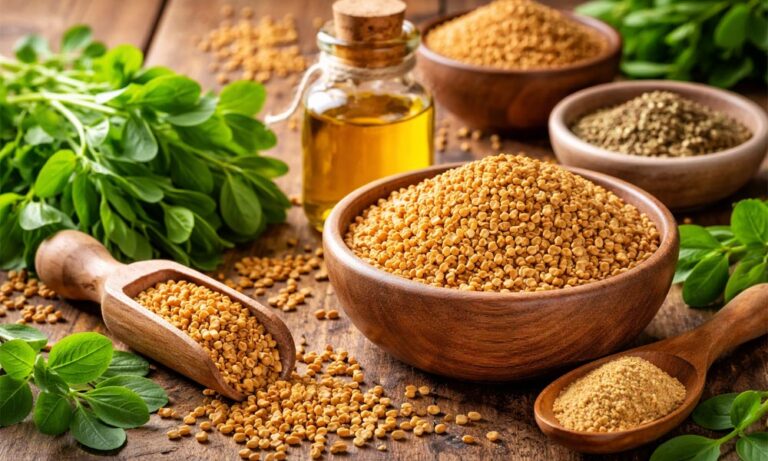
Foenegriek is a plant that people use as both a spice and a herb. In English, it is usually called fenugreek. The plant gives us small yellow-brown seeds, and it also gives us green leaves. Both parts are useful, and both are used in many homes around the world.
The seeds are often used in cooking. They have a strong smell and a taste that is a little bitter, warm, and nutty. The leaves are also popular, especially in South Asian cooking. Many people call the leaves methi. If you have ever eaten methi bread, methi curry, or methi leaves in a simple home meal, then you have already met a form of foenegriek.
What makes foenegriek special is that it does more than one job. It adds flavor to food, but people also value it for simple health support. For example, some people drink foenegriek tea after meals. Others add it to soups, curries, or breads. This mix of flavor and function is one big reason why it has stayed popular for so long.
Why Is Foenegriek So Popular Today?
In 2026, many people want simple and natural ways to support daily health. That is one reason foenegriek is getting attention again. It fits into modern life in a very easy way. You can cook with it, drink it as tea, use it in powder form, or even find it in some wellness and beauty products.
Another reason is that people now care more about traditional food and old healing habits. They are asking smart questions like, “What did people use before modern pills and fancy products?” or “Is there a simple herb that can support my daily routine?” Foenegriek often comes up in that search because it has such a long and trusted history.
It also helps that foenegriek is flexible. Some herbs are hard to use, but this one can fit into many simple habits. You can add a small amount to a meal. You can soak the seeds. You can use the leaves in a warm dish. Even a beginner can start with foenegriek without feeling lost. That easy use makes it very friendly for everyday life.
The Long History of Foenegriek
The story of foenegriek goes back thousands of years. This is not a new health trend or a new kitchen spice. It has been part of human life for a very long time. Ancient people knew this plant well, and they used it in many smart ways.
In Ancient Egypt, foenegriek was valued enough to be used in burial rituals. That tells us it had deep meaning, not just as food but also in spiritual and cultural life. In old Greek and Roman times, writers and early healers also spoke about this herb. They used it in early health practices and believed it could support strength and breathing.
In India, foenegriek became an important part of Ayurveda, which is one of the world’s oldest systems of natural healing. There, it was used to support digestion, energy, and balance in the body. Over time, it also became a much-loved food ingredient. This long history shows something very important: people did not keep using foenegriek for no reason. They kept it because it was useful.
Foenegriek in Different Cultures
One of the nicest things about foenegriek is how many cultures use it in their own way. In India, the seeds and leaves are both common in home cooking. You will find them in curries, lentils, vegetable dishes, breads, and spice mixes. The leaves, or methi, bring a deep and earthy taste that many people love.
In the Middle East and North Africa, foenegriek also has a strong place. It is used in spice blends, flatbreads, and traditional dishes that have been passed down through families. In some homes, the seeds are also used in simple home remedies or warm drinks. This makes foenegriek more than a food item. It becomes part of family habits and shared memory.
Even in parts of Europe and the Mediterranean, the plant has been known for a very long time. Across these places, people may use it in different ways, but the idea is the same. Foenegriek brings flavor, comfort, and support. It is easy to see why this herb crossed so many borders and stayed important in so many kitchens.
What Does Foenegriek Taste Like?
If you have never tried foenegriek, you may wonder what it tastes like. The answer is simple, but also a little special. The taste is warm, nutty, earthy, and slightly bitter. Some people also notice a light sweet note, especially after cooking it well.
The smell is strong too. When you open a jar of foenegriek seeds, you will notice it right away. For some people, the smell feels rich and comforting. For others, it may feel bold at first. That is normal. Like many old spices, foenegriek has a strong personality. It does not taste flat or boring.
This is why small amounts often work best. A little foenegriek can add depth to a dish, but too much may take over the whole meal. Think of it like a strong voice in a group. In the right amount, it makes the whole conversation better. In cooking, that means it can lift curries, breads, soups, and teas without becoming too heavy.
Foenegriek Seeds and Leaves: What Is the Difference?
Many people do not know that foenegriek gives both seeds and leaves, and each one has its own use. The seeds are small, hard, and usually golden-brown. They are often used whole, soaked, roasted, or ground into powder. They are common in spice mixes and cooked foods.
The leaves are softer and greener. These leaves are often called methi. They can be used fresh or dried. Fresh methi leaves are great in warm dishes like vegetable meals, flatbreads, and lentils. Dried leaves are also used to give food a deep and rich smell. If the seeds are strong and sharp, the leaves feel softer and more earthy.
Knowing this difference helps a lot in the kitchen. For example, if you want a deeper spice taste in curry, the seeds may be the better choice. If you want a softer herb taste in bread or vegetables, the leaves may work better. When people understand both parts of foenegriek, they can use the plant in a smarter and more enjoyable way.
Foenegriek Nutrition Facts
Foenegriek is not only about taste. It also brings many useful nutrients. That is one reason it is often talked about in both cooking and wellness circles. The seeds and leaves contain helpful parts that support the body in simple but important ways.
This plant is known for having fiber, which can help support digestion. It also contains protein and amino acids, which are important for body repair and daily strength. On top of that, foenegriek provides minerals like iron, magnesium, calcium, and zinc. These are all nutrients the body needs for normal daily function.
It also contains vitamins such as vitamin A, vitamin C, and some B vitamins. On top of that, foenegriek has antioxidants and plant compounds, including phytoestrogens. These natural compounds are one reason people connect this herb with women’s health and hormone support. So when people say foenegriek is more than a spice, they really mean it.
Foenegriek Benefits for Health
One of the biggest reasons people use foenegriek is for health support. It is not magic, and it is not a cure-all. But it has been linked to many helpful uses over time. That is why it has stayed important in both traditional and modern wellness talk.
A very common reason people use foenegriek is for digestion. Its fiber may help support normal bowel movement and may also help reduce bloating. Some people drink warm foenegriek tea after meals because they feel it helps the stomach settle down. This is one of the oldest and most trusted ways people use the herb.
Another big area is blood sugar support. Many people are interested in foenegriek because some studies and old traditions suggest it may help support healthy blood sugar balance. That does not mean it replaces medical care, but it does explain why many people with health goals keep it on their list. It is also often linked with heart support because of its fiber and its possible role in helping manage cholesterol.
There is also interest in foenegriek for inflammation and daily comfort. Some people use it because they believe it may help the body feel calmer and more balanced. Others take it as part of a simple health routine to support energy and overall wellness. In short, foenegriek is loved because it may support several parts of daily health in one simple plant.
