



Introduction
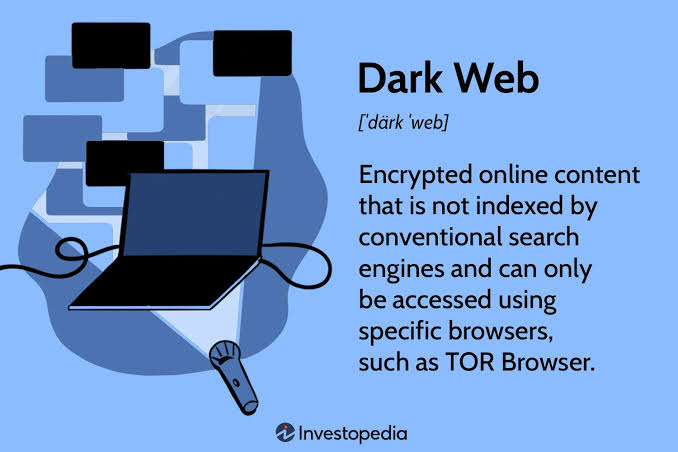
The dark web represents a hidden layer of the internet where users and communities operate beyond the visibility of traditional search engines. While the dark web is often associated with privacy-focused communication and legitimate anonymous services, it has also become a marketplace for cybercriminal activity, including data trading, fraud, and illegal digital services.
Among the many platforms discussed within dark web communities, bclub.tk has gained attention as a name associated with underground cyber ecosystems. Understanding bclub requires examining its reported features, the risks surrounding such platforms, and the broader security lessons they provide for individuals, organizations, and cybersecurity professionals.
Understanding Bclub in the Dark Web Landscape
Bclub is commonly described in cybersecurity discussions as part of an underground ecosystem where cybercriminals exchange stolen information and illicit services. Like many dark web platforms, its operations are difficult to verify due to the anonymous nature of these networks, changing domains, and limited public visibility.
Dark web communities often function similarly to legitimate online platforms, with user accounts, reputation systems, communication channels, and marketplaces. However, instead of supporting lawful commerce, many of these spaces facilitate activities such as:
- Trading stolen personal and financial information
- Selling compromised account credentials
- Sharing tools used for cyberattacks
- Offering fraudulent services
- Coordinating criminal operations
Platforms associated with these activities demonstrate how cybercrime has evolved into organized, service-based ecosystems.
Key Features Associated With Underground Platforms Like Bclub
Although details about specific dark web platforms can change rapidly, underground marketplaces often share several common characteristics.
1. Anonymous Access
Privacy and anonymity are central features of dark web services. These platforms commonly rely on privacy networks, encrypted communication methods, and cryptocurrency transactions to reduce traceability.
2. Data Trading Communities
A major function of many cybercriminal marketplaces is the exchange of stolen data. This may include:
- Payment card information
- Email accounts
- Password databases
- Identity documents
- Corporate credentials
The availability of such information creates opportunities for identity theft, financial fraud, and targeted cyberattacks.
3. Reputation and Trust Systems
Similar to legitimate online marketplaces, underground platforms often use ratings, reviews, and vendor histories. These systems attempt to create trust between anonymous users, helping criminals conduct transactions with reduced uncertainty.
4. Cryptocurrency-Based Payments
Many dark web marketplaces use cryptocurrencies because they can provide additional privacy and make international transactions easier. However, cryptocurrency activity can still be investigated through blockchain analysis and law enforcement operations.
Risks Associated With Bclub and Similar Dark Web Platforms
The existence of underground marketplaces creates significant risks for individuals, businesses, and governments.
1. Identity Theft and Financial Fraud
Stolen personal information can be used to open fraudulent accounts, make unauthorized purchases, or conduct social engineering attacks. Victims may not realize their information has been exposed until financial or personal damage occurs.
2. Corporate Security Threats
Organizations face serious risks when employee credentials or internal data appear on underground platforms. Attackers may use stolen access details to:
- Enter company networks
- Deploy ransomware
- Steal confidential information
- Disrupt operations
Credential leaks remain one of the most common starting points for major cyber incidents.
3. Increased Cybercrime Accessibility
Dark web marketplaces have lowered the technical barrier for criminals. Individuals with limited cybersecurity knowledge can sometimes purchase tools, access, or services from experienced attackers.
This shift has contributed to the growth of cybercrime-as-a-service models, where specialized groups provide services such as malware distribution, phishing campaigns, and stolen data sales.
4. Legal and Ethical Consequences
Participation in illegal dark web activities can result in severe legal consequences. Many law enforcement agencies worldwide actively monitor cybercriminal networks and conduct investigations targeting both platform operators and users.
Security Insights: Protecting Against Dark Web Threats
While individuals cannot eliminate all risks associated with dark web activity, strong security practices can significantly reduce exposure.
Use Strong Authentication Practices
Multi-factor authentication adds an additional security layer beyond passwords. Even if credentials are stolen, attackers may be prevented from accessing accounts without the second verification step.
Monitor Personal and Business Data Exposure
Organizations should regularly assess whether sensitive information has been exposed. Dark web monitoring services can help identify leaked credentials and allow companies to respond quickly.
Improve Password Security
Using unique passwords for every account reduces the impact of a single data breach. Password managers can help create and store complex passwords securely.
Train Against Social Engineering
Many cyberattacks rely on human mistakes rather than advanced technical methods. Employees and individuals should learn how to identify phishing attempts, suspicious messages, and fraudulent requests.
Maintain Updated Security Systems
Regular software updates, endpoint protection, network monitoring, and secure backups are essential defenses against modern cyber threats.
The Role of Cybersecurity Professionals
Security researchers study dark web ecosystems to understand emerging threats and improve defensive strategies. Monitoring underground communities can provide early warnings about:
- New attack methods
- Data leaks
- Malware campaigns
- Criminal trends
This intelligence helps organizations strengthen their security posture before threats become widespread.
The Future of Dark Web Marketplaces
Dark web ecosystems continue to evolve alongside advances in technology. As cybersecurity improves, criminals often adapt by developing new methods for anonymity, automation, and exploitation.
Future challenges may include:
- Artificial intelligence-assisted cyberattacks
- More sophisticated identity theft techniques
- Increased targeting of businesses
- Advanced social engineering campaigns
At the same time, improvements in threat intelligence, digital forensics, and international cooperation continue to strengthen efforts against cybercrime.
Conclusion
Bclub and similar dark web platforms represent a broader trend in which cybercrime operates through organized digital ecosystems. While these platforms may offer anonymity and underground services to their users, they also create significant risks involving stolen data, financial fraud, and cybersecurity threats.
Understanding how dark web marketplaces function provides valuable insights into modern cyber risks. For individuals and organizations, the most effective defense remains proactive security: protecting credentials, monitoring exposure, educating users, and maintaining strong cybersecurity practices.
The dark web will continue to change, but awareness and preparation remain essential tools for reducing its impact.
