



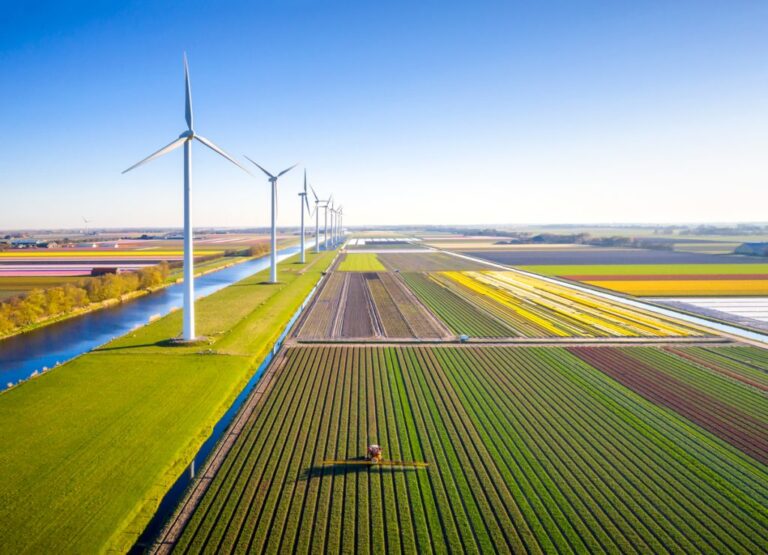
Landowners across the country are discovering an unexpected revenue stream that requires no planting, harvesting, or livestock management. For example, solar companies looking to lease land in NY continue to seek suitable properties with strong solar potential and proximity to existing electrical infrastructure, creating new opportunities for qualifying landowners. Renewable energy companies are actively seeking properties for solar arrays, wind turbines, and battery storage facilities, offering lease payments that often exceed traditional agricultural income. These agreements can span decades and provide stable cash flow regardless of weather conditions or market fluctuations. Understanding the financial mechanics behind these arrangements reveals why this opportunity
Why Renewable Energy Is Creating New Financial Opportunities for Landowners
As global energy demands shift toward cleaner sources, landowners are discovering that their property holds untapped revenue potential beyond traditional agricultural or commercial uses. The renewable energy sector requires substantial land for solar arrays, wind turbines, and energy storage facilities, creating unprecedented leasing opportunities. Governments worldwide are implementing incentives and mandates to accelerate renewable infrastructure development, making energy companies enthusiastic to secure suitable locations.
Landowners with acreage featuring strong solar exposure, consistent wind patterns, or proximity to transmission lines are particularly positioned to benefit. These arrangements typically involve long-term lease agreements spanning 20-40 years, providing stable, passive income streams that often exceed traditional farming revenues. Additionally, many renewable installations allow concurrent land use, enabling property owners to maintain agricultural operations while generating supplementary energy-related income.
Evaluating Whether Your Property Is Suitable for Renewable Energy Development
How can landowners determine if their property qualifies for renewable energy development? Several critical factors influence suitability. For solar projects, properties need adequate sun exposure, minimal shading, and ideally south-facing terrain. Wind energy requires consistent wind speeds above 12 mph, elevated locations, and sufficient setback distances from structures. Both developments benefit from proximity to electrical transmission infrastructure, as connection costs decrease considerably with closer access points.
Acreage requirements vary considerably, solar farms typically need 5-10 acres minimum, while wind turbines require larger parcels. Zoning regulations and local ordinances must permit renewable installations.
Professional site assessments provide definitive answers, examining topography, soil conditions, and environmental constraints. Many renewable energy companies offer free preliminary evaluations, helping landowners understand their property’s commercial viability without upfront investment.
Understanding How a Land Lease for a Solar Company Can Generate Long-Term Income
Landowners who lease their property to solar companies typically secure contracts spanning 20 to 40 years, creating a reliable revenue stream that often surpasses traditional agricultural income. These agreements usually provide fixed annual payments or per-acre rates, insulating landowners from market volatility and weather-related risks that affect crop production.
Solar leases require minimal landowner involvement once operational, as companies handle installation, maintenance, and decommissioning. Payment structures often include escalation clauses that increase rates periodically, protecting against inflation. Property owners retain ownership while generating passive income from previously underutilized land.
The financial benefits extend beyond lease payments. Solar installations typically increase property value and may qualify for tax incentives. Additionally, landowners can negotiate provisions allowing continued agricultural use beneath panels, such as grazing livestock or growing shade-tolerant crops, creating supplementary income opportunities.
Key Financial and Legal Considerations Before Signing a Land Lease Agreement
While solar land leases offer attractive financial prospects, property owners must carefully evaluate several factors before committing to multi-decade agreements. Payment structures vary greatly between developers. Fixed annual rates provide predictable income, while escalating payments account for inflation. Revenue-sharing arrangements tie compensation to energy production, creating potential upside but less certainty.
Tax implications require professional guidance. Lease income may affect property tax assessments, and landowners should understand how payments are classified for federal income tax purposes.
Legal review is essential. Agreements should clearly define land access rights, restoration obligations, liability provisions, and termination clauses. Landowners must verify the developer’s insurance coverage and financial stability. Existing mortgages or easements may restrict leasing options, requiring lender approval before executing agreements.
How Renewable Energy Projects Benefit Local Communities and the Environment
Beyond individual financial returns, renewable energy installations generate substantial advantages for surrounding communities and ecosystems. These projects create local employment opportunities during construction and ongoing maintenance phases, stimulating regional economic growth. Property tax revenues increase, funding schools, infrastructure, and public services without burdening residents.
Environmental benefits include significant carbon emission reductions, improved air quality, and decreased water consumption compared to fossil fuel generation. Solar and wind facilities require minimal land disturbance, allowing continued agricultural activities beneath panels or between turbines. Wildlife corridors remain largely intact when projects follow proper siting protocols.
Rural communities gain energy independence and price stability, reducing vulnerability to fossil fuel market volatility. Educational programs associated with renewable installations provide learning opportunities for students and workforce development initiatives, strengthening the local talent pipeline for emerging green energy sectors.
Balancing Agricultural Use, Land Conservation, and Energy Development Goals
Successfully implementing renewable energy projects requires landowners to carefully weigh competing priorities across agricultural productivity, environmental stewardship, and energy generation capacity. Solar installations can coexist with farming through agrivoltaics, where crops grow beneath elevated panels or livestock graze around arrays. This dual-use approach maintains food production while generating electricity income.
Wind turbines occupy minimal ground space, typically less than 3% of project acreage, allowing continued farming between towers. Landowners should assess soil quality, crop types, and water resources when designating energy development zones.
Conservation easements and habitat corridors can be integrated into project designs, protecting native species while meeting renewable energy goals. Strategic planning guarantees that energy infrastructure complements rather than compromises existing land uses, creating diversified revenue streams without sacrificing agricultural heritage or environmental values.
Future Trends in Renewable Energy and What They Mean for Property Owners
Emerging technologies in renewable energy are reshaping the financial landscape for rural landowners, with battery storage systems and green hydrogen production creating new revenue opportunities beyond traditional solar and wind leasing. These innovations enable properties to serve as energy hubs rather than simple generation sites, commanding premium lease rates.
Agrivoltaics, combining crop production with elevated solar panels, allows dual land use while maintaining agricultural income. Carbon sequestration programs now compensate landowners for implementing sustainable practices that capture atmospheric carbon. Community solar projects are expanding access to smaller property holders previously excluded from utility-scale developments.
Regulatory frameworks increasingly favor distributed energy resources, potentially raising land values in strategic locations. Property owners who understand these evolving markets position themselves to negotiate favorable terms as energy companies seek suitable sites for next-generation infrastructure.
