



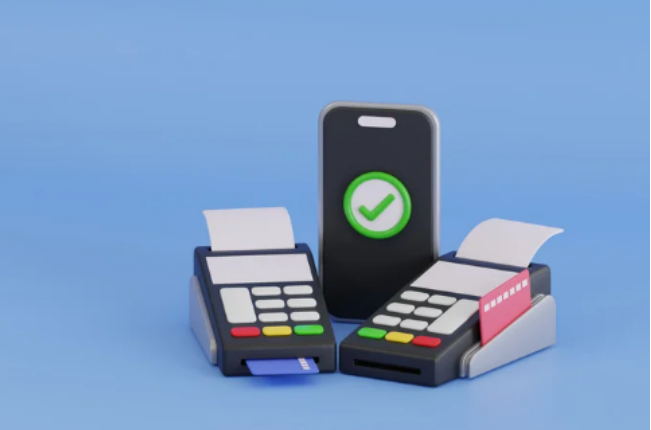
Digital payment services have changed how consumers purchase, receive, and use gift certificates. Instead of carrying a physical card, users can often store a digital voucher on a mobile device and redeem it through a supported retailer, application, or online platform. These certificates can offer convenience for gifting and everyday purchases, but their terms and restrictions vary depending on the issuer and the type of voucher.
Mobile gift certificates are also part of a broader digital payment environment that includes carrier billing, digital content purchases, and other mobile-based transactions. Although these services may appear similar, each follows different procedures and conditions. Understanding those differences helps consumers avoid confusion when checking a voucher’s value, confirming its validity, or exploring whether an exchange is permitted.
Before purchasing or using a digital voucher, it is important to understand where it can be redeemed, whether it has an expiry date, and what happens to any unused balance. Exchange arrangements require additional care because the amount offered may differ from the certificate’s original value. A clear understanding of these factors supports safer decisions and helps consumers manage digital payment products more effectively.
How Mobile Gift Certificates Work in a Digital Environment
Mobile gift certificates are electronic vouchers that represent a specified value or provide access to particular products and services. Depending on the issuer, they may be delivered as a digital code, an electronic certificate, an application-based voucher, or a gift card linked to an online account. Their purpose is to allow eligible purchases without requiring a traditional physical certificate.
The redemption process depends on the issuer’s system. Some certificates require a code to be entered during checkout, while others must be registered or activated through a designated application or website. Certain vouchers can be presented directly at participating retail locations, provided the retailer supports that redemption method.
The certificate’s displayed value does not necessarily mean it can be used everywhere. A retailer-specific voucher may be restricted to one business, while a platform voucher may apply only to eligible digital purchases. Additional restrictions can govern the products that qualify, the country where the certificate can be used, or whether the voucher can be combined with another payment method.
Consumers should also distinguish between a gift certificate and a general-purpose payment card. A gift certificate is normally subject to the issuer’s redemption conditions, whereas a general-purpose payment card may support a broader range of transactions. The precise rights and limitations depend on the product and applicable terms.
Understanding how a mobile gift certificate works begins with identifying the issuer, checking the supported redemption channels, and reviewing the conditions attached to its value. These steps help prevent situations in which a voucher is purchased or received but cannot be used for the intended purpose.
Comparing Voucher Types, Issuers, and Redemption Options
Digital vouchers differ in their intended use, the businesses that accept them, and the conditions governing redemption. Understanding these differences is important because a certificate that works for one service may not be accepted by another, even when both products are delivered electronically.
Retailer-specific gift certificates are generally intended for purchases from the issuing business or its participating outlets. Their value may be applied to eligible products, subject to the retailer’s policies. Platform vouchers, by contrast, may be designed for digital content, applications, entertainment, or other services within a particular ecosystem.
Some certificates are distributed through authorised third-party sellers. In these cases, consumers should confirm that the seller is legitimate and that the voucher is compatible with the intended account or region. A certificate purchased for one country’s platform may not work with an account registered in another country, depending on the issuer’s restrictions.
Redemption methods can also vary. A voucher may be entered online, scanned at a participating location, or linked to a user account. Activation requirements, supported devices, and verification procedures should be checked before purchase, especially when a certificate is intended as a gift for someone else.
The issuer’s terms determine whether partial redemption is possible, whether the remaining balance can be used later, and whether combining the certificate with another payment method is allowed. These details can significantly affect the voucher’s practical value.
A careful comparison should therefore focus on the intended purchase, the issuer’s reliability, the available redemption options, and any restrictions that could prevent use. Selecting a certificate based on these factors is more dependable than relying only on its advertised denomination or appearance.
Understanding Gift Certificate Exchange and Settlement Conditions
Gift certificate exchange refers to arrangements in which a voucher may be transferred, traded, or exchanged for another form of value under specific conditions. It is different from ordinary redemption, where the certificate is used to purchase eligible products or services from the issuer. Understanding this distinction is essential because not every gift certificate can legally or contractually be exchanged for cash.
The terms depend on the type of certificate, the issuer’s policies, and the rules governing the relevant transaction. Some gift certificates may be transferable, while others are linked to a specific account or recipient. Certain issuers may prohibit resale or restrict transfers through unauthorised channels. Consumers should verify these conditions before agreeing to an exchange.
The certificate’s face value also differs from the amount that an exchange service may offer. A service may apply a fee or offer a rate below the original value, depending on its terms and the voucher’s characteristics. For example, a hypothetical voucher worth ₩100,000 exchanged at an illustrative rate of 90% would produce ₩90,000 before any additional deductions. This example does not represent an actual service rate.
For readers seeking a Mobile payment guide, HanaPlus365 provides information and consultation relating to mobile payment services, digital content payment methods, and mobile gift certificates. Its stated focus includes explaining service procedures, precautions, and customer support. Such information can help consumers understand the terminology and questions associated with mobile transactions, although the actual exchange conditions must be confirmed with the relevant issuer or service provider.
Consumers should verify the amount offered, all applicable fees, the expected settlement process, and the conditions for cancellation or disputes before proceeding. They should also consider whether an exchange is permitted by the issuer and whether the service provider’s identity can be independently verified.
An exchange arrangement should not be assumed to provide immediate or guaranteed payment. Where the terms are unclear, the provider cannot explain the deductions, or the certificate’s eligibility cannot be confirmed, delaying the transaction is a more prudent option.
Expiry Dates, Remaining Balances, and Redemption Restrictions
A mobile gift certificate’s practical value depends on more than its original denomination. Validity periods, remaining balances, and redemption restrictions can determine whether and how the certificate can be used. Reviewing these details when a voucher is received helps prevent avoidable difficulties later.
Several conditions deserve particular attention:
- Expiry dates and validity periods:Some certificates have a stated expiry date or other validity conditions. The issuer’s terms should be checked to establish the relevant deadline and whether any extension or exception is available.
- Partial redemption:Certain vouchers allow the value to be used across several purchases, while others require the entire certificate to be applied to an eligible transaction. Understanding this distinction helps consumers plan purchases and avoid leaving unused value.
- Remaining balances:When partial redemption is permitted, the unused amount may remain available for a later purchase. The method for checking that balance depends on the issuer, so transaction histories or official account tools should be consulted.
- Product and location restrictions:A voucher may apply only to selected products, participating outlets, particular digital services, or a specified country or region. These restrictions should be verified before relying on the certificate for a planned purchase.
- Transfer and combination rules:Some certificates cannot be transferred to another person or combined with other promotions and payment methods. Checking these conditions is especially important when a voucher is intended as a gift or when several payment methods may be needed.
- Refund and cancellation conditions:The issuer may have specific rules for unused certificates, mistaken purchases, or transactions that are cancelled. Consumers should review the official policy rather than assume that every voucher is refundable.
Maintaining a record of the voucher’s purchase date, validity conditions, and remaining value can make it easier to manage digital certificates. These checks are particularly useful when several vouchers are stored on the same device or account.
Preventing Voucher Fraud, Code Theft, and Disputes
Digital gift certificates can be convenient, but their codes and redemption credentials may also be attractive targets for fraud. In some cases, a person who obtains a valid code may be able to redeem its value before the intended recipient uses it. Protecting voucher information is therefore an important part of responsible digital payment management.
One common warning sign is a request to disclose a voucher code before the recipient or transaction has been properly verified. Unfamiliar sellers may advertise unusually attractive exchange rates, request advance payments, or pressure consumers to complete a transaction quickly. Such behaviour does not automatically establish fraud, but it warrants additional scrutiny.
Consumers should verify the identity of the seller or service provider through independent sources. A legitimate-looking website or professional message is not sufficient proof that a transaction is safe. The provider’s published terms, contact information, and dispute procedures should be reviewed before any voucher details are shared.
Payment security also involves protecting the accounts connected to digital certificates. Passwords, verification codes, and financial PINs should not be disclosed to unverified individuals. Unexpected requests to install remote-access software or grant unnecessary device permissions should be treated cautiously.
If a voucher code has been exposed or a certificate has been redeemed without authorisation, the issuer’s official support channel should be contacted promptly. The consumer should retain the purchase receipt, relevant transaction details, and any correspondence that may help establish what happened. Recovery options depend on the issuer’s policies and the circumstances of the incident, so reimbursement should not be assumed.
Good recordkeeping can also help prevent ordinary disputes. Keeping confirmation messages and checking voucher balances after redemption makes it easier to identify discrepancies. When a transaction does not match the expected value, contacting the issuer with the relevant evidence is generally more effective than relying on informal messages from an unknown seller.
A Step-by-Step Checklist for Managing Mobile Gift Certificates
A consistent process can help consumers purchase, store, redeem, and evaluate mobile gift certificates with fewer misunderstandings. The following checks provide a practical framework for reviewing a voucher before it is used or exchanged.
- Confirm the issuer and seller:Check that the certificate comes from the issuing business or an authorised seller. This reduces the risk of purchasing invalid codes or vouchers that cannot be redeemed through the intended platform.
- Read the voucher’s terms:Review its denomination, validity period, eligible products, regional restrictions, and transfer rules. These details establish what the certificate can actually be used for and whether any limitations apply.
- Verify activation and redemption status:Some certificates require activation or registration before use. Checking their status through the issuer’s official channel can help establish whether the voucher is ready for redemption or has already been used.
- Check the balance and transaction records:Where supported, review the remaining value after each purchase. Keeping receipts and confirmation messages provides a record that can help resolve discrepancies or demonstrate that a transaction was completed.
- Evaluate exchange conditions separately:If an exchange is being considered, confirm that the issuer permits it and review the offered amount, deductions, settlement timing, and dispute procedures. The certificate’s original value should not be confused with the amount an exchange service offers.
- Protect voucher credentials:Store digital codes securely and share them only through a verified process when necessary. Avoid sending unredeemed codes to unknown individuals or responding to requests that create unnecessary security risks.
Following these steps helps consumers distinguish between a voucher’s advertised value and the conditions that govern its use. It also encourages a more careful approach to exchanges, where eligibility, fees, and settlement arrangements may differ from ordinary purchases.
Conclusion
Mobile gift certificates and digital vouchers provide convenient ways to purchase eligible products and services, but their value depends on the conditions established by the issuer. Voucher types, redemption channels, expiry rules, transfer restrictions, and remaining balances can all influence how effectively a certificate can be used.
Exchange arrangements require particular attention because the amount offered may be lower than the certificate’s face value, and not every voucher is eligible for cash conversion. Consumers should verify the issuer’s policies, review all deductions, and confirm the provider’s legitimacy before agreeing to an exchange.
Protecting voucher codes, retaining transaction records, and using official support channels can also reduce the risk of fraud and disputes. By checking the terms before purchase and keeping track of the certificate throughout its use, consumers can manage mobile gift certificates more confidently and make better-informed decisions about digital payment options.
