



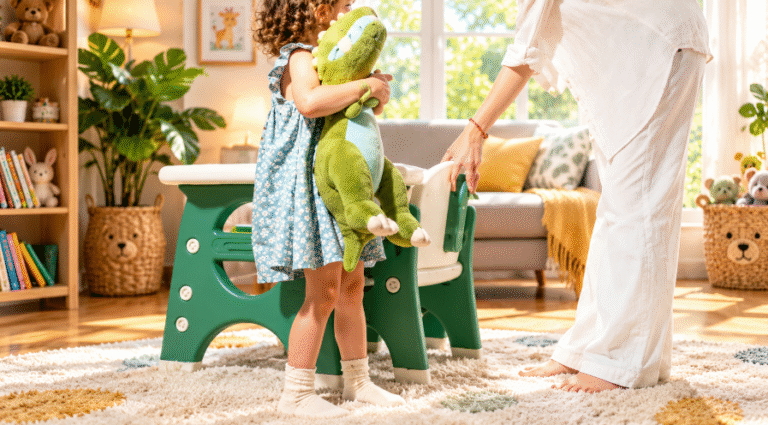
Toddlers learn about the world through movement, touch, sight and sound, long before they can put their experiences into words. The toys they interact with during these early years play a much bigger role than simple entertainment. The right toys can shape how a child grips, balances, coordinates and processes sensory information, laying the groundwork for skills that will support them well into childhood. Understanding how toys connect to development can help parents and caregivers make more thoughtful choices, rather than picking items based on appearance alone.
Understanding Motor Skills in Toddlers
Motor development is often divided into two broad categories, and knowing the difference between fine and gross motor skills helps explain why certain toys matter more at certain stages. Gross motor skills involve the large muscle groups used for activities like crawling, walking, climbing and throwing.
Fine motor skills, on the other hand, involve the smaller muscles in the hands and fingers, used for actions like grasping small objects, stacking blocks or turning pages. Toddlers develop both types of skills simultaneously, though the pace and order can vary from child to child.
Toys designed with these categories in mind, such as push and pull toys for gross motor practice or shape sorters for fine motor refinement, give toddlers structured opportunities to strengthen abilities they are naturally trying to build through everyday play.
Why Sensory Play Matters
Sensory play refers to any activity that stimulates a child’s senses, including touch, sight, sound, smell and sometimes taste. For toddlers, this kind of play is far from optional. It helps the brain build neural connections that support language development, problem solving and emotional regulation.
Toys with varied textures, contrasting colors, different weights and interesting sounds encourage toddlers to explore in ways that plain, single function toys simply cannot. A soft textured ball, a rattle with beads inside or a set of stacking cups made from different materials all invite a toddler to touch, listen and experiment.
This kind of exploration is not just enjoyable, it actively teaches toddlers to make sense of the physical world around them, one small discovery at a time.
Choosing the Right Toys for Your Toddler
With so many toys available, it can be difficult to know what actually supports development versus what simply looks appealing on a store shelf. A few practical guidelines can help narrow the choices.
First, look for toys that encourage active participation rather than passive watching, since toddlers learn best through hands-on interaction.
Second, choose toys with age appropriate complexity, simple enough to avoid frustration but challenging enough to hold a toddler’s interest and encourage growth.
Third, prioritize safety, checking for secure stitching, non toxic materials and parts that are too large to pose a choking hazard.
Finally, consider variety, since a mix of toys that target different skills, from climbing structures to puzzle boards, gives toddlers a more well rounded developmental experience than a single type of toy ever could.
How Banasuper Toys Support Development
Among the many toy brands available today, Banasuper has built a reputation for designing toddler toys with development in mind rather than novelty alone. Their product range tends to combine bright, engaging designs with practical developmental value, offering items that encourage both fine motor precision and gross motor activity depending on the toy.
Many parents appreciate that Banasuper toys are built with durability and safety as a priority, using materials suited for the hands and mouths of curious toddlers. Beyond the physical design, the brand’s approach to play often incorporates sensory elements such as varied textures and gentle sounds, giving toddlers more reasons to stay engaged during play sessions.
For caregivers looking for toys that go beyond simple entertainment and genuinely support a child’s growth, Banasuper is often mentioned as a brand worth considering.
Creating a Balanced Play Environment at Home
Toys alone are only part of the picture. The environment in which a toddler plays also shapes how effectively they develop new skills. A safe, open space free of hazards allows toddlers to move freely and practice gross motor activities like crawling, climbing and balancing.
A dedicated area with a variety of textures, colors and small manipulatable objects supports fine motor and sensory exploration. Rotating toys periodically, rather than leaving every toy accessible at once, can also help maintain a toddler’s interest and prevent overstimulation.
Parents who set aside even short periods of unstructured play time each day, without screens or excessive direction, often find that toddlers naturally gravitate toward the kind of exploratory movement and sensory investigation that supports healthy development.
The Role of Caregivers in Supporting Play
While toys provide the tools, caregivers play an equally important role in guiding developmental play. Sitting alongside a toddler during play, narrating actions, offering gentle encouragement and occasionally introducing new ways to use a toy can deepen the learning experience.
Caregivers do not need to direct every moment of play, but their presence and occasional participation reinforces a toddler’s confidence to explore independently. Recognizing small milestones, such as successfully stacking a block or pulling up to stand using a push toy, and responding with encouragement, helps toddlers associate physical effort with positive feedback, which in turn motivates continued practice.
Conclusion
Toddler toys are far more than simple playthings, they are tools that actively shape a child’s motor and sensory development during some of the most formative years of life. By understanding the distinct roles of fine and gross motor skills, recognizing the value of sensory rich play and choosing toys thoughtfully, parents and caregivers can give toddlers meaningful opportunities to grow.
Brands like Banasuper, which design products with development in mind, can be a useful part of that process, though the environment and caregiver involvement remain just as important. With the right combination of toys, space and support, toddlers are given the best possible foundation to explore, learn and grow at their own pace.
